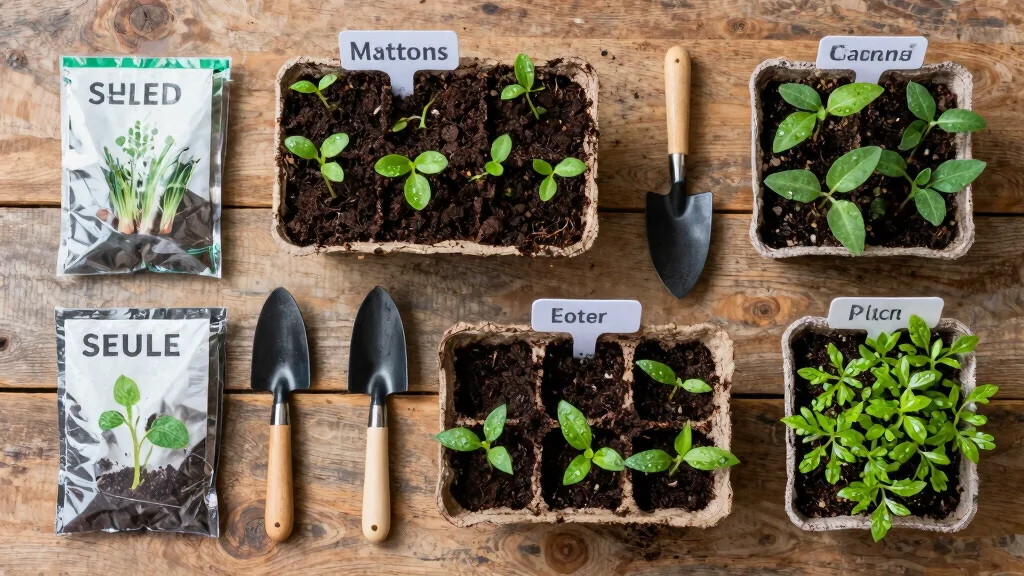
As February rolls in, many of us start dreaming about the vibrant colors and fresh scents of our spring gardens. This time of year always reminds me of the first shoots breaking through the frost, promising a bounty of homegrown goodness. If you’re like me and can’t wait to dig your hands into the soil, you’ll want to get a head start on planting. With the right seeds sown in February, you can cultivate a garden that not only looks beautiful but also yields a tasty harvest.
This post is for all you gardening enthusiasts, especially those living in colder climates, who are eager to jump into spring gardening. You care about growing your own herbs and vegetables, and you want to make the most of your growing season. I pulled together a list of seven seeds to start in February that are perfect for your spring garden. These choices will help you create a lush space filled with fresh flavors and vibrant greenery.
In this guide, you’ll discover practical tips and insights on each seed, including how to grow them and why they thrive in February. By the end of this post, you’ll be equipped with the knowledge you need for a productive spring garden, ready to impress your friends and family with your green thumb. Let’s get started on this journey to a beautiful spring garden!
Key Takeaways
– Starting seeds in February allows for earlier growth and a longer harvest season, maximizing your garden’s potential.
– The selected seeds, like basil and parsley, are ideal for cold climates and can thrive with proper care.
– Each seed has specific growing requirements, so understanding these can lead to better yields and healthier plants.
– Preparing your garden space in February sets the foundation for successful planting and growth, ensuring your plants have the best start.
– Following this guide will help you cultivate a diverse garden, filled with herbs and vegetables that elevate your meals and enrich your home.
Recommended Products

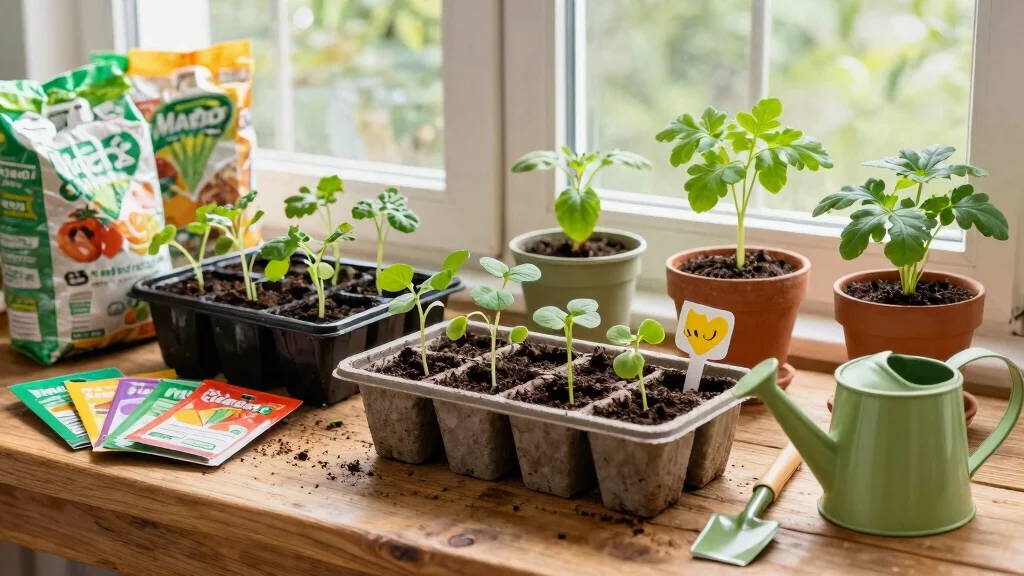
EASIER SEED STARTING: Our Burpee SuperSeed tray with 36 flexible pop-out cells is designed to simplify indoor seed starting for all your favorite vegetables, flowers and herbs. Just add seed starting mix, seeds, water and light to get growing! Rows are labeled alphanumerically for seedling identification with included Plant-o-Gram diagram. Tray dimensions: 11.5" x 10-3/8" x 2-1/4"

EASIER SEED STARTING: Our Burpee SuperSeed tray with 16 extra-large flexible pop-out cells is designed to simplify indoor seed starting. Just add seed starting mix, seeds, water and light to get growing! Rows are labeled alphanumerically for seedling identification with included Plant-o-Gram diagram.

Upgraded with Adjustable Ventilation - Gardzen seed starter tray has been newly upgraded with two air vents added to the top, allowing you to easily adjust the ventilation for optimal seed growth. Say goodbye to stagnant air and hello to thriving plants!
1. Basil
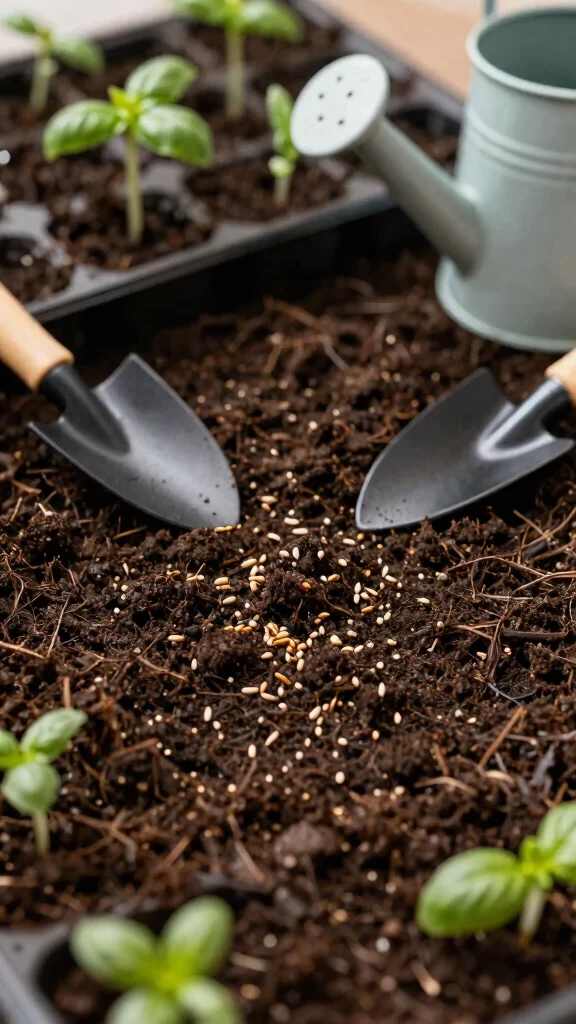
Craving that fresh, aromatic flavor that elevates your dishes? Basil is your go-to herb for an early February planting. This delightful herb thrives when started indoors, giving you lush plants just in time for spring. With its preference for sunny spots and well-drained soil, basil not only enhances the taste of your meals but also brings a wealth of vitamins and minerals to your kitchen. You can easily sprinkle it over pasta, mix it into salads, or enjoy it in homemade pesto.
Ingredients:
– 1 packet of basil seeds
– Biodegradable seed trays
– Rich potting mix
– Water
Instructions:
1. Fill seed trays with potting mix and moisten it slightly.
2. Plant basil seeds about 1/4 inch deep and cover lightly with soil.
3. Place the trays in a warm, sunny spot and keep the soil moist but not soggy.
4. When seedlings are a few inches tall, thin them out to promote bushier growth.
5. Transplant outside after the last frost for a vibrant garden.
FAQs:
– Can I use different varieties? Yes, try Thai or purple basil for a twist.
– Can I grow it indoors? Absolutely, basil thrives indoors with enough light.
Fun fact: Basil seeds germinate in about 5-10 days indoors. For seeds to start in february, give them 6-8 hours of light, and you can harvest fresh leaves in as little as 4-6 weeks.
Recommended Products

【Has All You’ll Need】This complete 10-set herb starter kit comes with everything you’ll need to kickstart your indoor garden, including 7 premium selections of the most common herbs. Our kit also contains 10 reusable starter sets, soil discs, plant tags, a spray bottle, a market pen, and a premium tool set!

15 Herb Seeds Variety Pack – 4,300 Seeds Included: Start your own herb garden with this all-in-one heirloom herbs seeds kit. Includes Genovese Basil, Sweet Basil, Italian Oregano, Rosemary, Thyme, Cilantro, Dill, Mint, Sage, Lavender, Chives, Garlic Chives, Parsley, Chervil, and Scallions. Each herb seed packet is USA-sourced and tested for high germination. Grow these herb garden seeds in your backyard, windowsill, raised beds, or pots for fresh flavors all season long.

USDA CERTIFIED ORGANIC & NON-GMO: Grow your own fresh culinary herbs with peace of mind. Our open pollinated, heirloom variety pack is 100% clean, natural, rigorously tested for germination, and proudly certified organic by Oregon Tilth.
📹 Related Video: Grow Basil Indoors – Seed To Harvest!
Basil
Editor’s Choice

HOME GROWN Non GMO Genovese Basil Seeds Pack 1,750+ High Germination Hei…


GooingTop LED Grow Light,6000K Full Spectrum Clip Plant Growing Lamp wit…

Halatool 4 Pack Seed Starter Tray with 50 PCS Peat Pellets, 48 Cells Bla…
2. Parsley
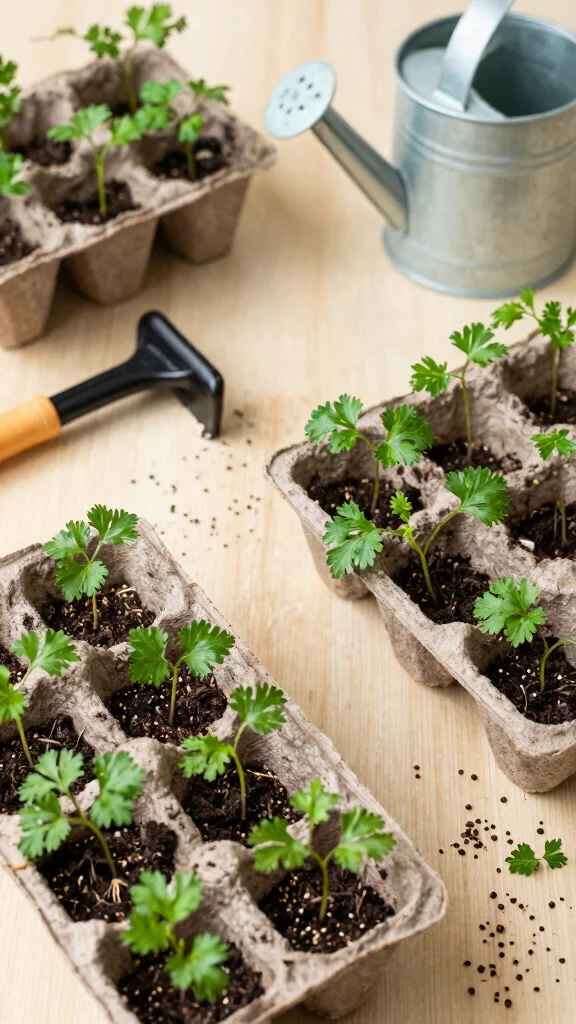
Are you looking to add a fresh touch to your culinary creations? Parsley is a fantastic herb to kick off your gardening in February. This hardy herb is easy to grow and thrives in cooler temperatures, making it perfect for early planting. With a soak overnight, parsley seeds can germinate faster, giving you a bountiful harvest to enhance salads, soups, and more with its vibrant flavor and nutritional benefits.
Ingredients:
– 1 packet of parsley seeds
– Seed trays
– Quality potting mix
– Water
Instructions:
1. Soak parsley seeds overnight to speed up germination.
2. Fill seed trays with potting mix and plant seeds 1/4 inch deep.
3. Water the seeds gently and place in a cool, sunny spot.
4. Thin the seedlings as they grow to allow for better airflow.
5. Harvest leaves regularly to encourage new growth throughout spring.
FAQs:
– Can I plant parsley in shaded areas? Parsley prefers sunlight but can tolerate some shade.
– Can I grow it in pots? Yes, parsley does well in containers.
Fun fact: soaking parsley seeds overnight can cut germination time by up to half. Expect sprouts in about 7–14 days, not weeks longer, when you start this easy trick in February. A small step that speeds your seeds to start in February.
Recommended Products

Beautiful - Large color packet of the popular culinary herb Parsley (Petroselinum crispum).Fun and easy herb with tasty and attractive leaves that add a gourmet touch to dishes as both garnish and flavoring. Leaves may also be dried. A wonderful gift for the gourmet cook. Minimum of 1g per packet (about 475 seeds).

3 VARIETIES OF PARSLEY – Includes Italian Giant, Curly, and Flat Leaf parsley seeds for planting in herb gardens or kitchen windowsills and containers
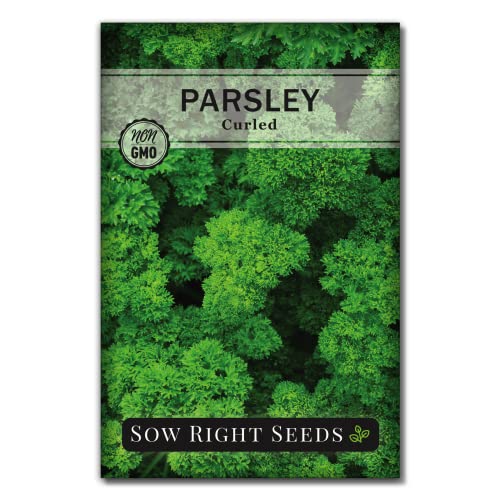
Beautiful - Full color packet of the popular culinary herb Parsley (Petroselinum crispum); Fun and easy herb with tasty and attractive leaves that add a gourmet touch to dishes as both garnish and flavoring. Leaves may also be dried. A wonderful gift for the gourmet cook. Minimum of 1g per packet (about 600 seeds).
Parsley
Editor’s Choice

Burpee SuperSeed Seed Starting Tray | 36 Cell Reusable Seed Starter Tray…

Back to The Roots 100% Organic Seed Packet – Parsley ‘Italian Large Leaf…
3. Spinach
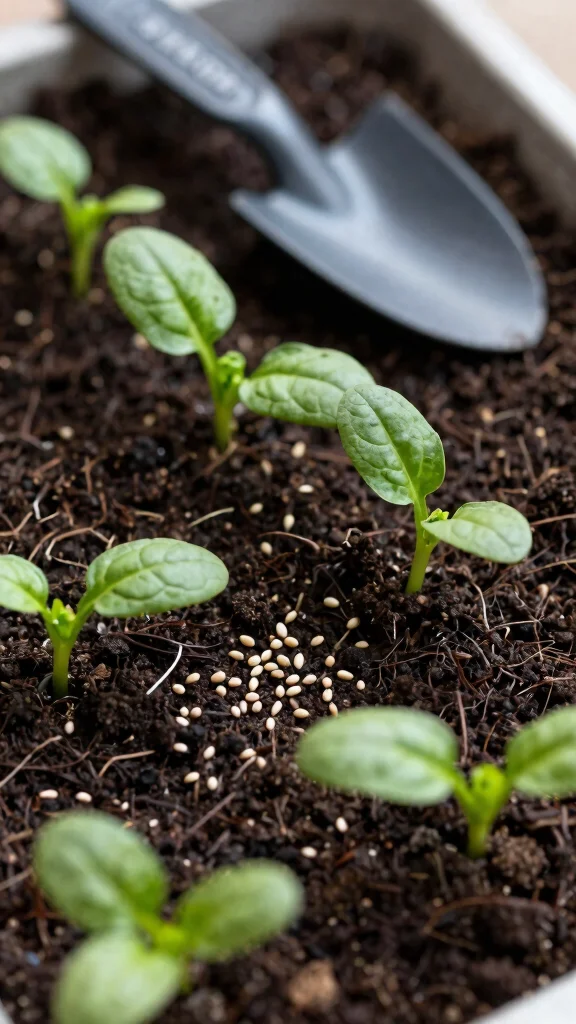
Feeling the urge for a nutritious boost in your meals? Spinach is an excellent leafy green to plant in February, thriving in the cool weather. Starting these seeds indoors ensures a plentiful harvest filled with vitamins and minerals. With its quick germination, spinach adds a fresh and vibrant taste to salads, smoothies, and cooked dishes, making it a must-have in your spring garden.
Ingredients:
– 1 packet of spinach seeds
– Seed trays
– Compost or organic matter
– Water
Instructions:
1. Prepare seed trays with a rich potting mix, mixing in compost.
2. Sow spinach seeds 1/2 inch deep, spacing them a few inches apart.
3. Water gently and keep the trays in a cool spot with light.
4. Transplant seedlings outdoors once frost has passed.
5. Harvest outer leaves regularly to encourage new growth from the center.
FAQs:
– Can I grow spinach in partial shade? Yes, it can tolerate some shade but prefers full sun.
– Can I eat it raw? Absolutely, fresh spinach adds a great crunch and nutrients to salads.
Recommended Products

Miracle-Gro Indoor Potting Mix for Seed Starting grows stronger roots for seeding success (vs unfed when used as directed)

ALL-NATURAL MIX: Burpee Organic Premium Potting Mix is formulated with plant food & coconut coir to promote seed & root growth and healthy flower, vegetable & herb plants. OMRI Listed for organic use.

READY TO USE MIXTURE - The same formulation as used by professional growers
Spinach
Editor’s Choice
Burpee SuperSeed Seed Starting Tray | 36 Cell Reusable Seed Starter Tray…

Sow Right Seeds – Bloomsdale Spinach Seeds for Planting – Ideal for Outd…

Burpee, 9 Quarts | Premium Organic Potting Natural Soil Mix Food Ideal f…
4. Kale
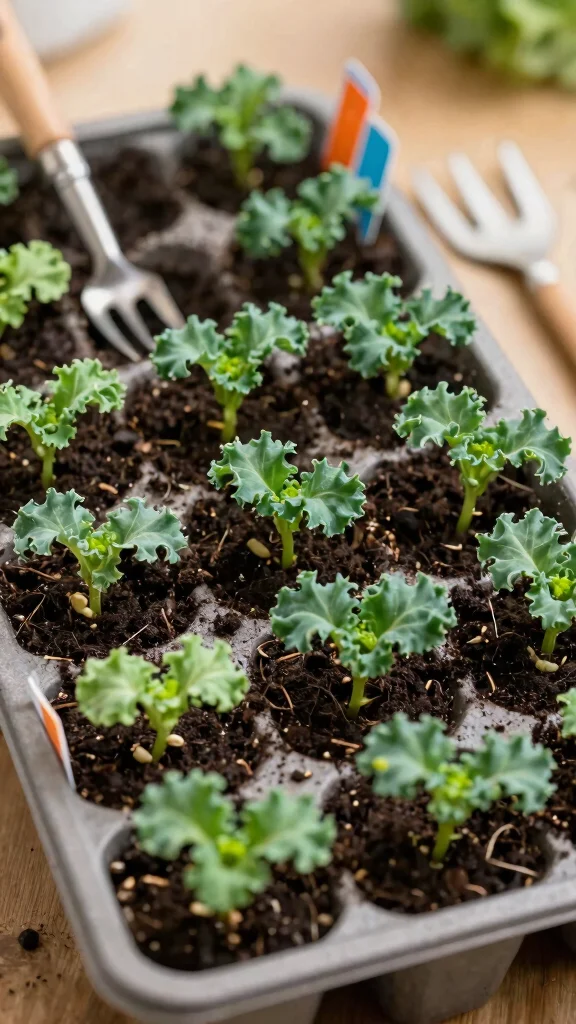
Looking for a powerhouse of nutrients to add to your meals? Kale is a fantastic option for February planting. Known for its resilience, this leafy green grows easily in cooler temperatures and offers tons of health benefits. Whether you toss it in salads, blend it into smoothies, or bake it into crispy chips, kale brings a delightful flavor and texture to your kitchen.
Ingredients:
– 1 packet of kale seeds
– Deep seed trays
– Nutrient-rich soil
– Water
Instructions:
1. Fill deep seed trays with nutrient-rich soil and moisten it.
2. Sow kale seeds 1/2 inch deep and keep the soil consistently moist.
3. Ensure seedlings have plenty of space by thinning them out.
4. Transplant them outside once they’re sturdy and after frost.
5. Harvest leaves from the outside to promote growth from the center.
FAQs:
– Can I use kale in smoothies? Yes, it blends wonderfully and adds great nutrition.
– Can I grow different varieties? Absolutely, try Lacinato or curly kale for variety.
Recommended Products

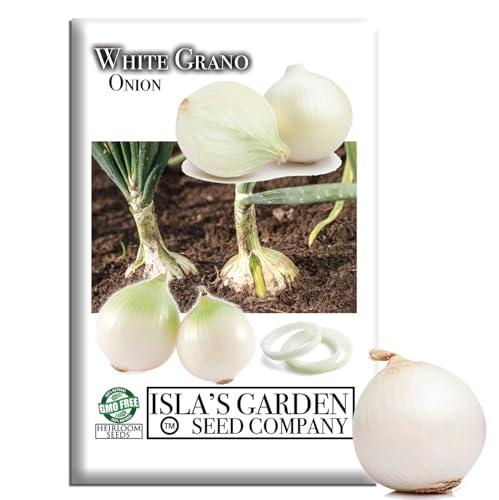
Rich in flavor! White Grano Onions are a must have in your home garden! Plant the seeds ¼" deep in a flat 2-3 months before the last frost date; keep the soil moist and at room temperature. These onions tend to be medium to large in size and have a mild classic onion flavor. They are often consumed raw, grilled or lightly cooked with other foods.
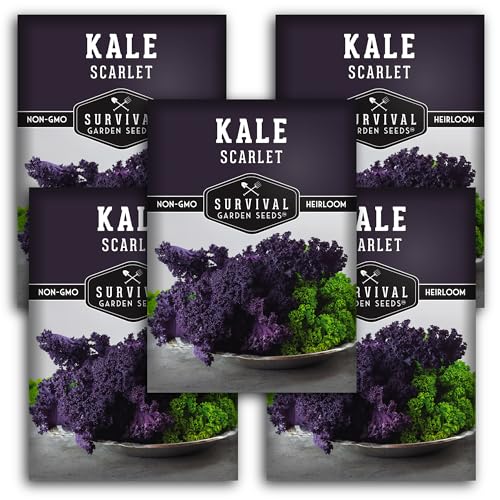
CRIMSON CURLY LEAVES – Scarlet kale produces striking red-purple frilled leaves that are tender and flavorful, adding beauty and nutrition to your garden
You might also like

Kale
Editor’s Choice
Burpee SuperSeed Seed Starting Tray | 36 Cell Reusable Seed Starter Tray…

Organic Kale Seeds (Vates Blue Scotch Curled) – Approx 500 Seeds – USDA …
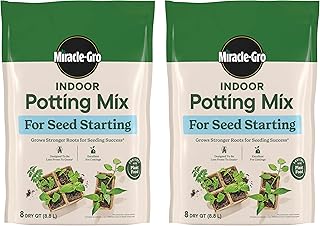
Miracle-Gro Indoor Potting Mix for Seed Starting, For Starting Vegetable…
5. Radishes
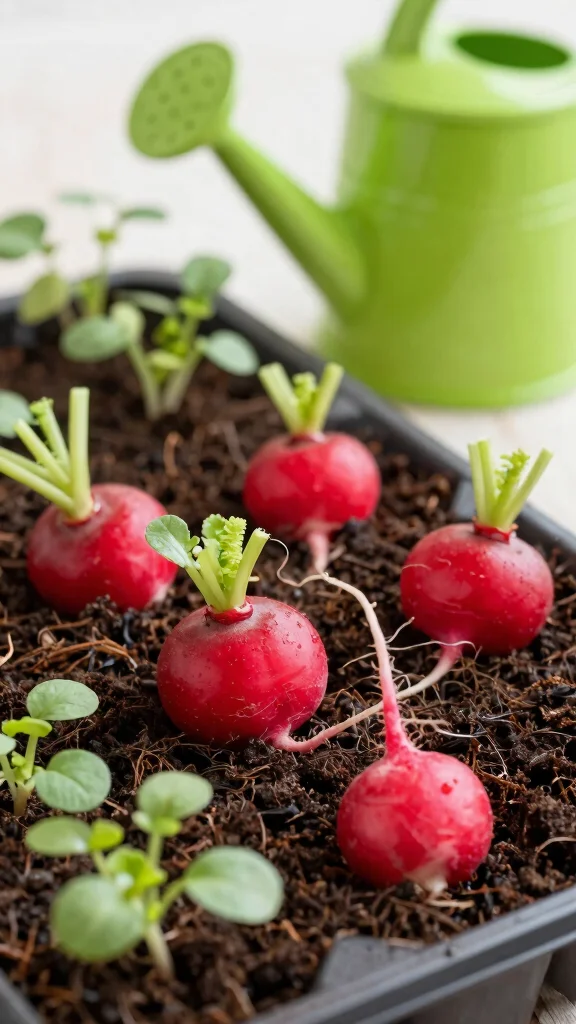
Eager for a quick gardening win? Radishes are the way to go! These crunchy veggies thrive in cooler weather and grow rapidly, which makes them perfect for early planting. Starting radishes in February gives you a head start, allowing you to enjoy fresh, peppery bites in just a few weeks, adding zing to your salads or serving as a tasty snack.
Ingredients:
– 1 packet of radish seeds
– Seed trays
– Well-draining soil
– Water
Instructions:
1. Fill seed trays with well-draining soil and moisten it.
2. Plant radish seeds 1/2 inch deep and provide good spacing.
3. Water gently and keep the soil moist.
4. Thin seedlings to give each radish enough room to grow.
5. Harvest radishes in about 3-4 weeks for the best flavor.
FAQs:
– Can I grow radishes in pots? Yes, they thrive in containers as well.
– Can I eat the greens? Yes, radish greens are edible and nutritious too.
Recommended Products

【Value Package】The kit contain 4 pcs base trays, 4 pcs seed trays with 12 cells in each, 4 pcs humidity lids with dome, and 50 pcs peat pellets, not need soil to fill the cells, help you keep clean and tidy when planting, and creates a moist and warm environment needed for seed germination.

High quality transparent plastic cell trays of this seed grow kit make it easy to observe your plants without interrupting the process.

How To Choose the Right Seeds for February Planting
Choosing the right seeds to start in February can set the foundation for a beautiful and productive spring garden. With the right selection, you can ensure your garden thrives even in colder climates. Here’s a guide to help you make the best choices.
1. Climate Adaptability
Ensure the seeds you choose are suitable for your climate zone. Some seeds thrive in cold temperatures, while others may not germinate well until the ground warms up. Check your local USDA Hardiness Zone to see which seeds are best for early planting. For cold climates, look for hardy varieties like kale and spinach that can handle frost.
2. Growth Time
Consider the time it takes for each plant to grow from seed to harvest. Some seeds, like radishes, mature quickly, while others, like basil, take longer. You want to plant seeds that will give you an early spring crop. Look for seeds that have a short days to maturity listed on their packets.
3. Seed Quality
Buy high-quality seeds from reputable sources. Check for certifications or organic labels if that is important to you. Look for seeds that have a high germination rate to ensure you get the most from your planting. Inspect the seed packets for any signs of damage or expired dates.
4. Space Requirements
Different plants require different amounts of space. Some seeds need wider spacing to grow well, like tomatoes, while others can be planted closer together, like lettuce. When planning your garden layout, consider how much space each plant will need. This can help you maximize your yield and prevent overcrowding.
5. Companion Planting
Think about which plants grow well together. Certain combinations can help deter pests and boost growth. For instance, planting basil near tomatoes can enhance flavor and yield. Research companion planting charts to find compatible seeds when making your choices.
6. Personal Preference
Choose seeds based on your personal tastes and preferences. If you love fresh herbs, prioritize seeds like basil, parsley, and chives. If you’re looking to boost your vegetable intake, focus on seeds like kale and spinach. Remember, a garden is most rewarding when you grow what you enjoy eating.
Pro Tip: Start with a mix of both fast-growing and slower-growing seeds for a staggered harvest. This way, you can enjoy fresh greens early in the season while waiting for your longer-maturing plants to come to fruition.
By following these steps, you can confidently select the best seeds to start in February. Preparing early will ensure you have a thriving garden come spring, filled with delicious vegetables and herbs. Happy gardening!
Recommended Products

【All-Inclusive 10-Set Herb Kit】This complete indoor herb garden starter kit has everything you need to build your windowsill garden. It comes with 10 premium popular herb seed varieties, plus 10 reusable starter pots, expandable soil discs, plant markers, a spray bottle, marking pen and full premium gardening tool set. No extra supplies required.

Indoor Herb Garden: Grow your own indoor herb garden with our 12 variety pack of herb seeds. This kit includes homesteading essentials for a prolific kitchen garden.

COMPLETE INDOOR HERB GARDEN KIT: This ROOTCRAFT herb growing kit includes everything you need to start your herb growing journey. It's perfect for kitchen, windowsills, balconies and patios, elevating your indoor space with a vibrant array of gourmet herbs
Radishes
Editor’s Choice

Back to the Roots 100% Organic Indoor Potting Mix (6 Quart), Promotes He…
Burpee SuperSeed Seed Starting Tray | 36 Cell Reusable Seed Starter Tray…

Cherry Belle Radish Seeds – 500+ Non-GMO Heirloom, Fast Growing, Round, …
6. Chives
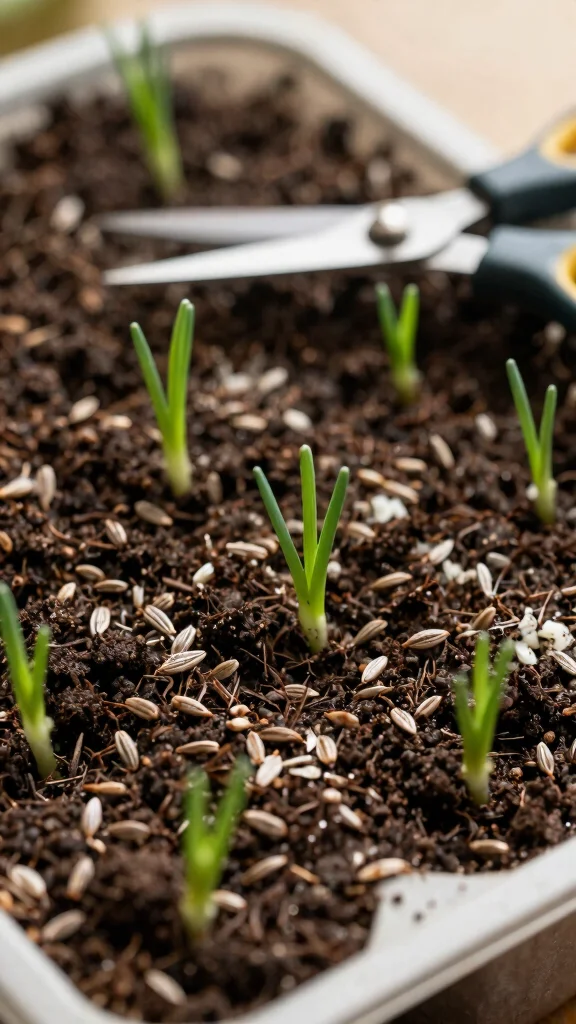
Want to add a touch of elegance to your dishes? Chives are easy to grow and perfect for beginners! Starting them indoors in February ensures vibrant growth by spring. Known for their mild onion flavor, chives can enhance salads, soups, and baked potatoes. Plus, they also attract pollinators, adding beauty to your garden while serving a functional purpose.
Ingredients:
– 1 packet of chive seeds
– Seed trays
– Well-drained soil
– Water
Instructions:
1. Fill seed trays with well-drained soil and lightly moisten it.
2. Plant chive seeds about 1/2 inch deep and cover lightly.
3. Place the trays in a sunny spot and keep the soil moist.
4. Snip chives regularly to promote new growth.
5. Once established, they can be harvested continuously throughout the growing season.
FAQs:
– Can I grow chives indoors? Yes, they thrive in pots on a sunny windowsill.
– Can I use chives in cooking? Absolutely, they add a mild onion flavor to dishes.
Seeds to start in february can thrive indoors with chives—easy for beginners and quick to sprout. They bring a mild onion flavor to dishes by spring, and they attract pollinators to your garden for extra beauty and function.
Recommended Products

Double and triple-curled dark green leaves which are high in vitamins and minerals. Parsley flavor improves with each successive cutting. Excellent heat tolerance, great for containers, and re-grows quickly.
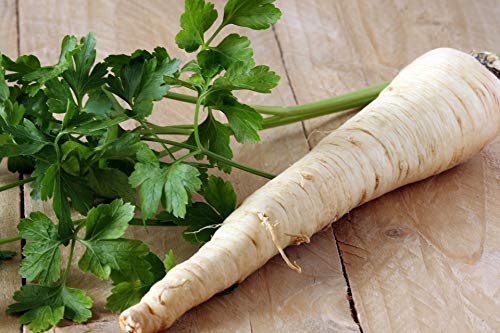
One Full Packet of “Hamburg Rooted” Parsley. The tops of this plant produce a traditional edible and decorative parsley with a light flavor and high vitamin C content. Unlike other parsley varieties, “Hambuirg Rooted” will produce a thick taproot that can be used for cooking and is somewhat like a parsnip.

Italian Flavor & Yield: Italian giant parsley seeds produce large, flat, dark green leaves with bold flavor. Plants reach 12-14 inches tall and deliver high yields for fresh parsley for sauces, and garnishes.
You Might Also Like

Chives
Editor’s Choice

Chive Seeds Collection – Common & Garlic Chives Seed for Planting – 2 Pa…

Bonviee 5 Packs Seed Starter Tray with Grow Light, Elevated Seedling Sta…
Burpee, 9 Quarts | Premium Organic Potting Natural Soil Mix Food Ideal f…
7. Oregano
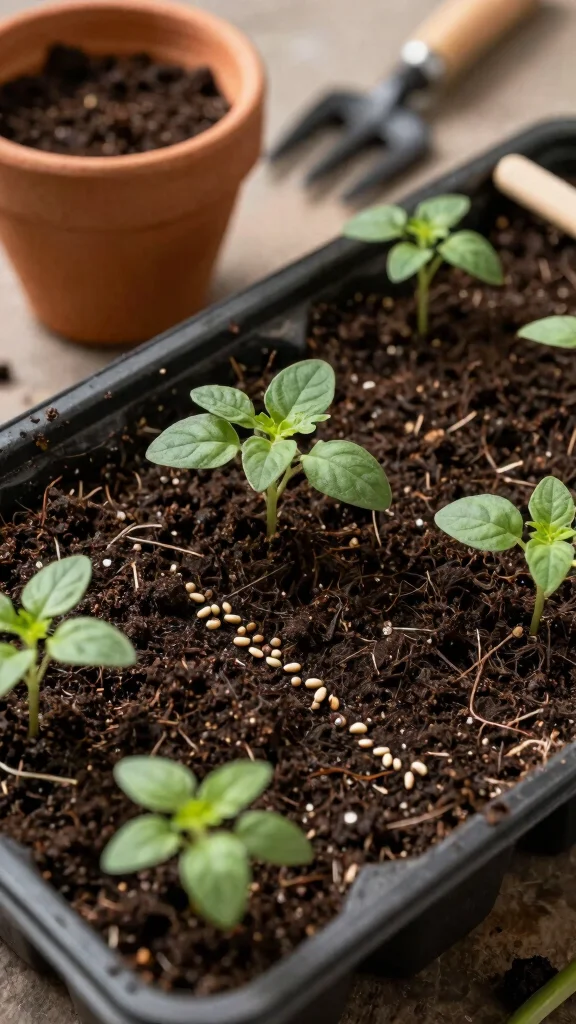
Craving that fresh Mediterranean flavor? Oregano is a fantastic herb to start in February. Known for its aromatic leaves, this herb can thrive in well-drained soil and bright sunlight. As it grows, oregano will become a low-maintenance addition to your garden, enhancing your dishes with rich flavors—from pizzas to pasta sauces.
Ingredients:
– 1 packet of oregano seeds
– Seed trays
– Quality potting mix
– Water
Instructions:
1. Fill seed trays with quality potting mix and moisten it lightly.
2. Sow oregano seeds about 1/4 inch deep and cover with soil.
3. Keep the trays in a sunny spot and water gently.
4. Transplant seedlings outside after the frost has passed.
5. Pinch back flower buds to encourage leaf growth and enhance flavor.
FAQs:
– Can I dry oregano? Yes, the flavor intensifies when dried.
– Can I grow it indoors? Yes, oregano grows well in pots indoors.


Oregano
Editor’s Choice
Burpee, 9 Quarts | Premium Organic Potting Natural Soil Mix Food Ideal f…
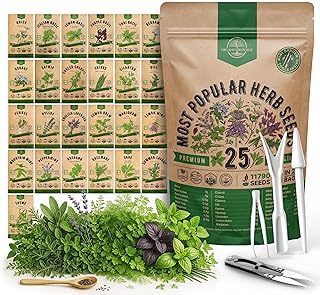
25 Most Popular Herb Seeds Variety Pack – 11,700 Non-GMO Heirloom Seeds …
Conclusion
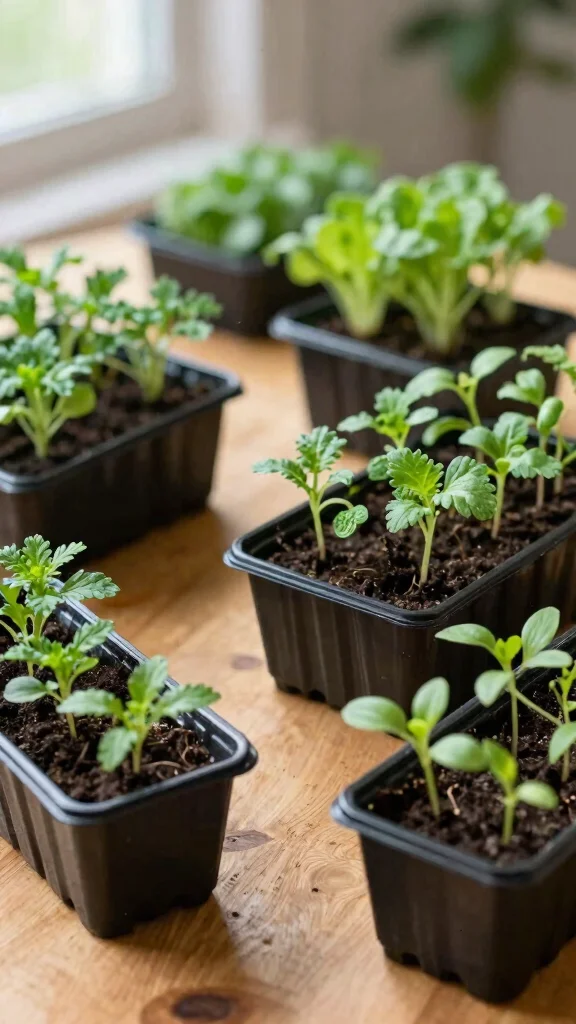
Starting your seeds in February opens up a world of possibilities for a vibrant and productive spring garden. With the right planning and a little patience, you can enjoy a bountiful harvest of fresh herbs and vegetables right from your home. Whether you choose basil, chives, or radishes, nurturing these seedlings will be a rewarding experience. Embrace this gardening journey and watch as your efforts blossom into a flourishing oasis come spring! Don’t forget to share and celebrate your gardening successes with fellow enthusiasts as you all work together to cultivate beauty and bounty in your gardens.
Happy gardening!
Note: We aim to provide accurate product links, but some may occasionally expire or become unavailable. If this happens, please search directly on Amazon for the product or a suitable alternative.
This post contains Amazon affiliate links, meaning we may earn a small commission if you purchase through our links, at no extra cost to you.
Recommended Products

CRIMSON CURLY LEAVES – Scarlet kale produces striking red-purple frilled leaves that are tender and flavorful, adding beauty and nutrition to your garden

CRIMSON CURLY LEAVES – Scarlet kale produces striking red-purple frilled leaves that are tender and flavorful, adding beauty and nutrition to your garden

CRIMSON CURLY LEAVES – Scarlet kale produces striking red-purple frilled leaves that are tender and flavorful, adding beauty and nutrition to your garden
Frequently Asked Questions
Which seeds to start in February for a cold-climate herb garden?
If you’re planning seeds to start in February for a cold-climate herb garden, the best bets are cool-season herbs that tolerate chilly starts: cilantro, parsley, dill, chives, thyme, and oregano.
You can also try spinach and other leafy greens as vegetable seeds for early planting. Start indoors 6–8 weeks before your last frost, in a light seed-start mix, keep evenly moist, and provide bottom warmth if possible. Transplant outside after the danger of frost has passed, or move to a cold frame for hardening off.
How can a February planting guide boost spring gardening tips for herbs in cold climates?
A February planting guide helps you map frost dates, schedule indoor sowing, and plan succession so your herb garden in cold climates gets a head start.
Begin by noting your last expected frost date, then set a timeline for indoor sowings (about 6–8 weeks before that date) and outdoor plantings after frost risk has passed. Choose cool-tolerant varieties, and use row covers or cloches to protect young shoots. For ongoing spring gardening tips, aim for small, regular sowings to keep a steady harvest.
What are the best seeds for spring that beginners in cold climates should try in February?
For beginners, February is the perfect window to try the best seeds for spring: cilantro, parsley, dill, chives, thyme, and oregano as herbs, plus a few quick greens like spinach or lettuce as vegetables. Start indoors or in a sheltered spot, keep lights bright, and transplant when the weather stabilizes. This approach aligns with smart spring gardening tips for cold climates.
How should I prepare the garden in February to ensure successful germination when starting seeds to start in February?
Garden preparation in February sets the stage for success. Begin by clearing debris, testing soil drainage, and amending with compost to build rich, friable soil for seeds to start in February.
Set up an indoor seed-starting station with a good potting mix, bright light, and consistent moisture. Consider a cold frame or cloche to extend the season and protect tender transplants as they grow into spring.
What practical tips can help protect seeds started in February from late frosts and still yield a productive spring garden?
Protect seeds started in February with practical frost safeguards: use row covers or a small cold frame, place plants near a sunny microclimate, and choose cold-tolerant varieties. Stagger sowings to avoid a flood of harvest all at once, and harden off indoors-sown seedlings before transplanting. Keep soil mulched to retain warmth and moisture, and check weather forecasts to lift covers on warm days for better hardening.
Related Topics
seeds to start in February
spring gardening tips
February planting guide
vegetable seeds
herb gardening
cold climate gardening
early planting
garden preparation
beginner friendly
outdoor gardening
productive garden
seasonal planting