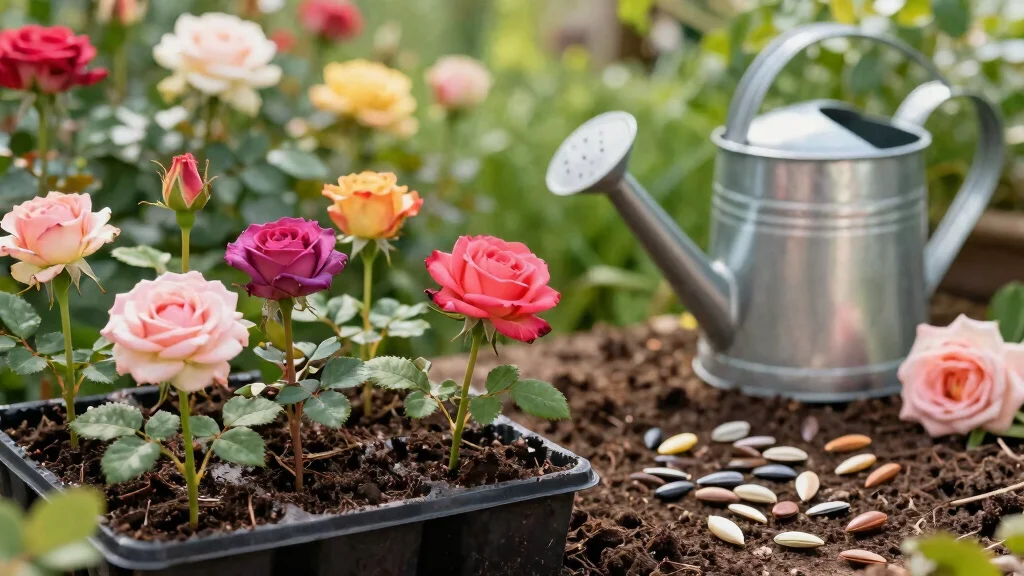
Growing roses from scratch can feel like a daunting task, but it doesn’t have to be. If you have ever gazed lovingly at a blooming rose bush, feeling a tug at your heart to create your own, you’re in the right place. This guide is meant for those who want to dig their hands into the soil and cultivate beautiful roses right at home. Whether you’re a seasoned gardener or just starting out, there’s something magical about nurturing a seed into a gorgeous bloom.
In this post, I’m sharing eight essential tips to help you succeed with your rose seeds. You’ll learn practical gardening techniques tailored specifically for organic rose cultivation. Each of these tips is crafted to guide you step-by-step, ensuring you get the most vibrant and healthy blooms possible. So, if you crave the beauty and sweet fragrance of roses in your garden, stay tuned. You’re about to uncover the secrets to growing roses from seeds like a pro.
Key Takeaways
– Choose the Right Seeds: Start with high-quality rose seeds suited for your climate. Research the varieties that thrive in your area to increase your chances of success.
– Prepare Your Soil: Use well-draining soil enriched with organic matter. Good soil is the backbone of healthy rose plants, so take your time to prepare it properly.
– Sowing and Germination: Learn the best practices for sowing your seeds. This includes the right depth and conditions for germination, which can vary by rose variety.
– Watering Wisely: Understand the watering needs of your rose seeds. Overwatering can harm them, so make sure to find a balance that keeps the soil moist but not soggy.
– Pest and Disease Management: Keep an eye out for common pests and diseases. Early detection and organic treatments can save your plants from significant damage.
Recommended Products

Premium Quality & High Germination Rates: Our seed collections include heirloom, organic, and open-pollinated varieties for vibrant flowers, nutrient-packed vegetables, juicy fruits, and aromatic herbs. Perfect for home gardeners and enthusiasts.

Rose Seeds: Rose is a perennial shrub of the Rosaceae family
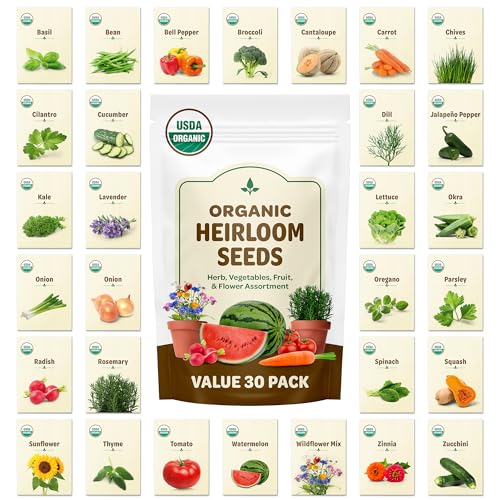
RESCUED SURPLUS SEEDS (HELP PREVENT WASTE): We are on a mission to ensure perfectly good seeds get planted, not wasted. These are high-quality, 100% Heirloom Organic, and non-GMO seeds, offered at a value to use up excess inventory. Perfectly viable, entirely safe, and ready to grow.
1. Choose the Right Seeds
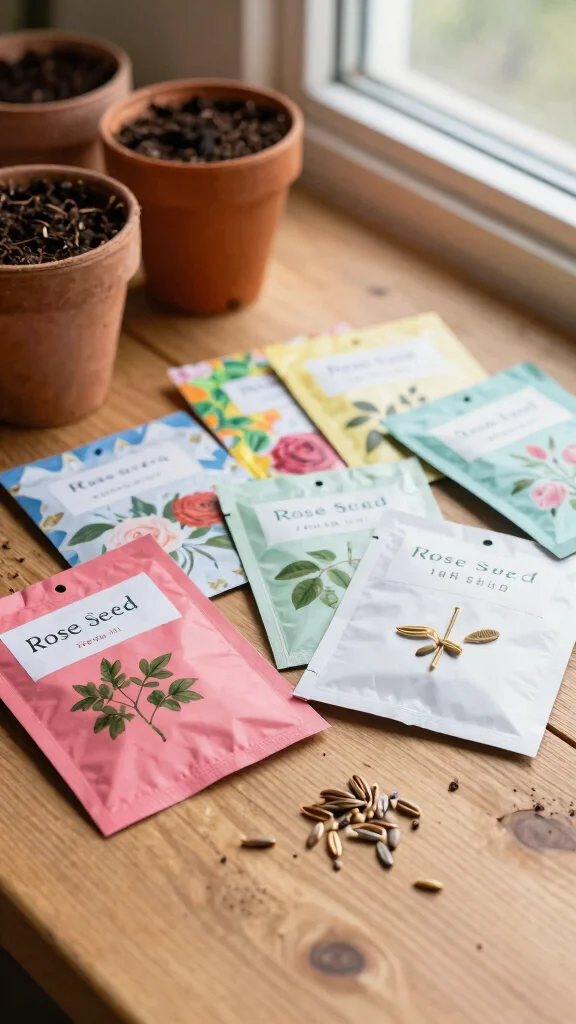
Choosing the perfect rose seeds is the first step to thriving blooms. With so many varieties available, it’s essential to pick ones that suit your local climate and soil conditions. Delve into options like hybrid teas, floribundas, or climbers to discover which roses will flourish in your garden space.
Opt for heirloom or organic seeds to promote not just beauty but also resilience in your plants. Local nurseries or reputable online stores are great sources for quality seeds.
Consider the colors and sizes of flowers you desire; this choice lays the groundwork for a stunning garden display!
Recommended Products

THE CHUNKY TEXTURE YOUR SUCCULENTS ACTUALLY NEED: Most potting soils for succulents pack too dense and hold too much water; our chunky succulent soil potting mix stays loose and airy, letting roots breathe and excess moisture drain fast – no compaction, no soggy pots
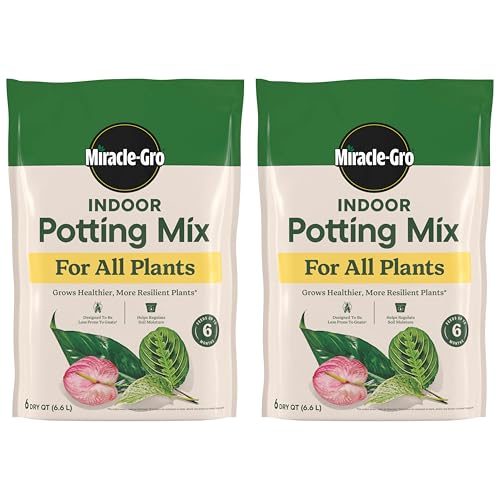
Miracle-Gro Indoor Potting Mix for All Plants feeds houseplants for up to 6 months and grows healthier, more resilient plants (vs unfed when used as directed)

HELPS REGULATE SOIL MOISTURE: Miracle-Gro Organic Indoor Potting Soil Mix is an organic potting soil that protects indoor plants against over and under watering
Choose the Right Seeds
Editor’s Choice

Renmxj Plant Propagation Stations with Wooden Stand & 3 Glass Bulb Vases…

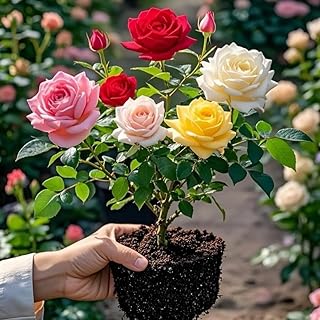
Beautiful Rose Seeds (25pcs) – Easy to Plant Perennial Rare Exotic Gar…
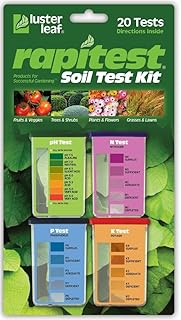
Rapitest Soil Test Kit for Gardens, Vegetables, Flowers and Lawns. USA d…
2. Prepare Your Soil

The health of your soil is vital for the success of your rose seeds. Begin by blending organic compost into your potting mix to give your roses essential nutrients. Since roses prefer well-draining soil, adding perlite or sand can significantly enhance drainage.
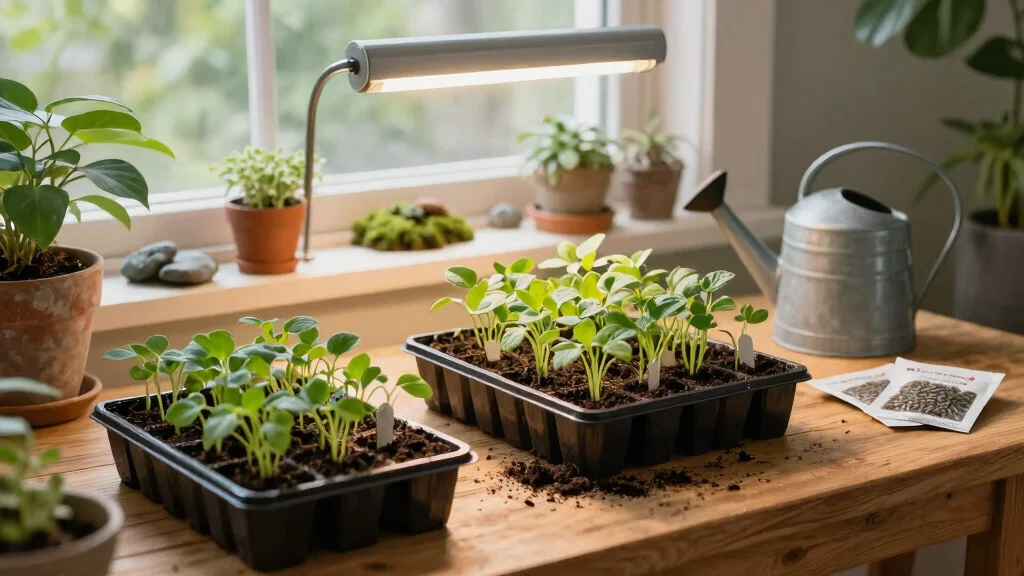
Start by selecting clean seed trays or pots with drainage holes. Fill them with your nutrient-rich soil mix and lightly compress to remove air pockets.
Let the soil rest for a day or two before planting to ensure a strong start for your seeds.
Recommended Products

Graphene Seed Heat Mat for Faster Germination: Compared to traditional electric heating mats, our graphene heat mat heats up faster and more evenly, with a built-in timer for convenience. It creates the ideal environment for indoor seed starting trays, greenhouse seed germination, and hydroponic plant propagation. Designed for indoor gardening, this waterproof and reusable heat mat accelerates growth and improves seedling survival rates.

Indoor Garden Seed Starter Trays: Kickstart your indoor garden effortlessly with our thoughtfully designed seedling start trays. Each cell measures 1.6 inches in width, 1.6 inches in length, and 2 inches in depth, offering the perfect size for a wide array of seeds, including herbs, microgreens, succulents, tomatoes, roses, vegetables, and more.

12-LED GROW LIGHT PER TRAY — Each of the five seed starting trays features a full-spectrum grow light with 12 LED beads, providing supplemental light for indoor seedlings.
Prepare Your Soil
Editor’s Choice

Back to the Roots 25.7qt (1 Cubic ft) Organic Premium Compost

Burpee SuperSeed Seed Starting Tray | 36 Cell Reusable Seed Starter Tray…

Back to the Roots 100% Organic Perlite | Made in the USA | Premium Nutri…
3. Sowing and Germination

Sowing rose seeds requires careful attention and gentle handling. Plant your seeds about 1/4 inch deep, ensuring they’re spaced out adequately. After covering them lightly with soil, use a spray bottle for gentle watering, keeping the seeds undisturbed.
Position the seed tray in a warm, sunny location or use a greenhouse for optimal warmth. Maintain consistent moisture without oversaturating, as this can lead to rot.
Remember that germination can take anywhere from two weeks to several months, so stay vigilant about moisture levels for the best results.
❝ Plant rose seeds 1/4 inch deep and mist them lightly with a spray bottle—gentle care makes tiny roots. Create a warm, sunny start or greenhouse space, and let patience do the rest. Germination usually arrives in two weeks to a month, not overnight. ❞
Recommended Products
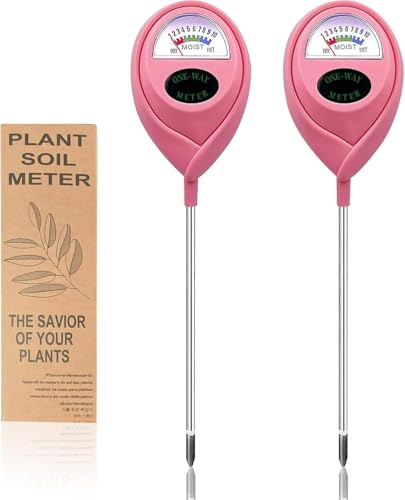
【Instant Moisture Reading】Plant Moisture Meter – No Batteries Needed. Simply insert the probe tip into the soil down to the depth of plant roots and leave it for a few minutes; you can immediately read test results from the indicator pointer to help your plants thrive healthily. Our plant water meter is fitted with an upgraded premium sensor probe, delivering more stable durability and far more accurate readings.

Made of Terracotta - Automatically water your plants with this self-watering system, made of terracotta for slow release moisture.
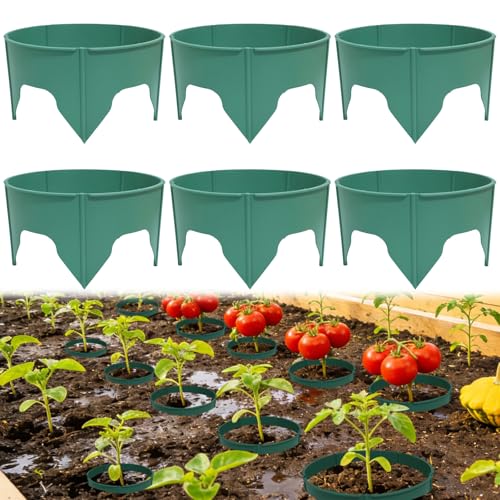
Adjustable Size: The planting grow rings set includes 30 interlocking components with an adjustable diameter range of 8.2-15.7 inches. It can be freely assembled into rings of any size to meet the support needs throughout the entire growth cycle, from seedlings to mature plants, depending on the plant species and growth stage.
Sowing and Germination
Editor’s Choice

Spray Bottle for Plants 2 Pack, 16oz – Ultra Fine Mist, Plant Mister Emp…

Burpee SuperSeed Starting Tray | 16 XL Cell | Reusable & Dishwasher Safe…

VIVOSUN Durable Waterproof Seedling Heat Mat 10″ x 20.75″ UL & MET-Certi…
4. Watering Wisely

Watering your seedlings correctly is essential for their growth. They need regular moisture, but finding the right balance is key; too little can hinder their development, while too much can cause root rot.
Use a watering can with a fine spout to target the soil directly around the seedlings, avoiding their leaves. Water early in the day to reduce evaporation and stick your finger into the soil to check moisture levels.
By following these tips, your roses will grow stronger and more vibrant, ready to produce beautiful blooms.
You might also like

Watering Wisely
Editor’s Choice

XLUX Long Probe Deep Use Soil Moisture Meter, Water Monitor Indicator Se…
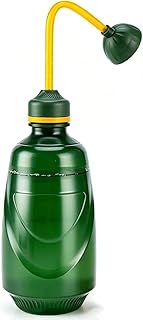
Watering Can for Seedlings, Small Watering Can for House Plant Garden Fl…
5. Provide Ample Light
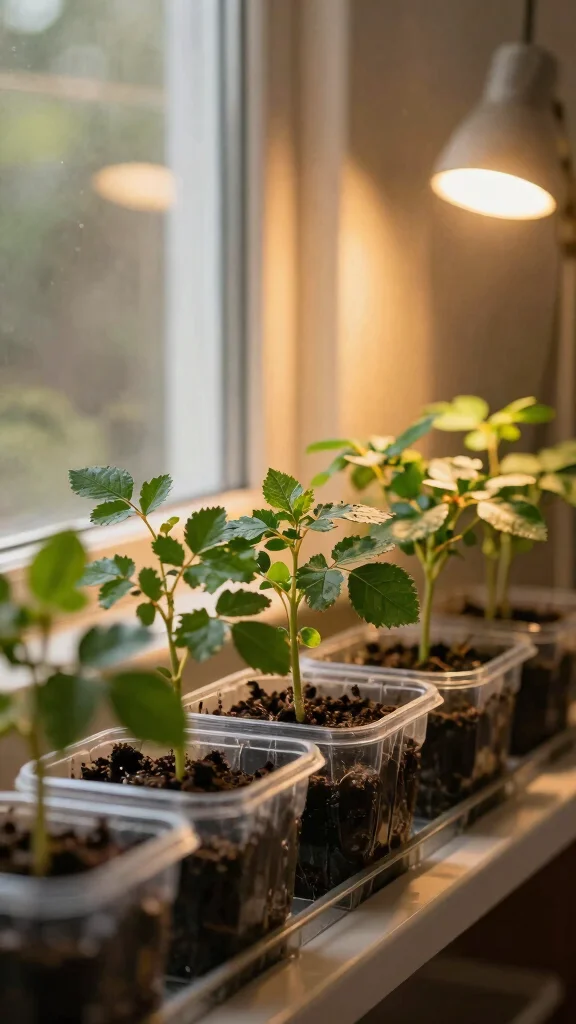
Light plays a crucial role in successful rose growth. Seedlings flourish in bright, indirect sunlight, which helps develop sturdy stems and lush leaves. Aim for at least 6 hours of light daily to keep them healthy.
Position your seedlings near a south-facing window or use grow lights if natural light is insufficient. Rotate your seedlings every few days to ensure even exposure.
For grow lights, hang them 6-12 inches above the seedlings and keep them on for 12-16 hours each day for optimal growth.
Fun fact: Rose seeds thrive with at least 6 hours of bright indirect light—more light means sturdier stems and lush leaves. If sun is scarce, place seedlings near a south-facing window or use grow lights, keeping them 6-12 inches away.
Recommended Products
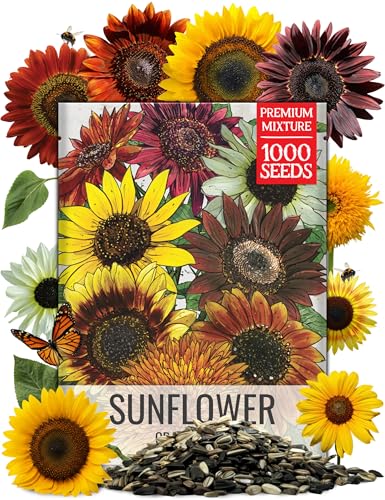
Flowers: Crazy Sunflower Blend includes 15+ varieties and several colors & bloom sizes, from red, orange, yellow and several bi-colors.

BRIGHT & COLORFUL BLOOMS ALL SEASON – Our moss rose seeds for planting outdoors (Portulaca grandiflora) produce vibrant blooms in a variety of colors, including red, pink, orange, yellow, white, and purple. As annual flower seeds, they add a brilliant touch to gardens, containers, and rock beds. Blooming from summer to fall, these flowers seeds for planting outdoors create a continuous display that’s ideal for transforming any outdoor space into a colorful paradise.

Provide Ample Light
Editor’s Choice

GooingTop LED Grow Light,6000K Full Spectrum Clip Plant Growing Lamp wit…

Bamworld Tall Plant Stand Indoor with Grow Light Corner Plant Stand for …
6. Transplanting with Care

Transplanting your seedlings is a significant milestone in their growth journey. Once they have a few sets of true leaves, it’s time to move them to larger pots or the garden. Careful handling during this process is essential for their survival.
Choose a cloudy day or early evening to minimize stress on your plants. Gently lift the seedlings from their trays, taking care not to damage the roots.
Plant them in pre-prepared holes, ensuring they sit at the same depth as they were in the tray, and give them a good watering afterward.
Recommended Products

OUTDOOR POTTING SOIL: Miracle-Gro Organic Outdoor Potting Mix contains a quick-release natural plant fertilizer and also feeds plants for up to 2 months

ORGANIC INDOOR POTTING SOIL, MADE WITHOUT PEAT: Biochar, worm castings, mycorrhizae, compost, and bark fines replace peat moss entirely; every ingredient of this house plant soil is natural, sustainably sourced, and confirmed organic - no synthetic fertilizers, no fillers

INDOOR GROWING: Growing indoors is easy under the right conditions; Miracle-Gro Houseplant Potting Mix is an indoor plant potting soil that combines key elements container plants need to thrive
📹 Related Video: How to Grow Rose From Seeds | Desi Rose | Seedling to Transplant | Result of 5 Months (Urdu/hindi)
Transplanting with Care
Editor’s Choice
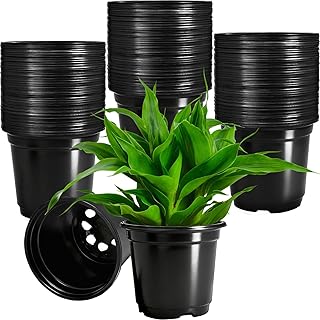
Woozettn 120 Packs Flexible Plastic Nursery Pots,4 Inch Thickened Soft P…

Succulent Tools, 13 Pcs Mini Garden Tool Set, Transplanting Tools Set,Su…

COOLJOB 6 Pairs Gardening Gloves for Women Ladies, Breathable Rubber Coa…
7. Pest and Disease Management

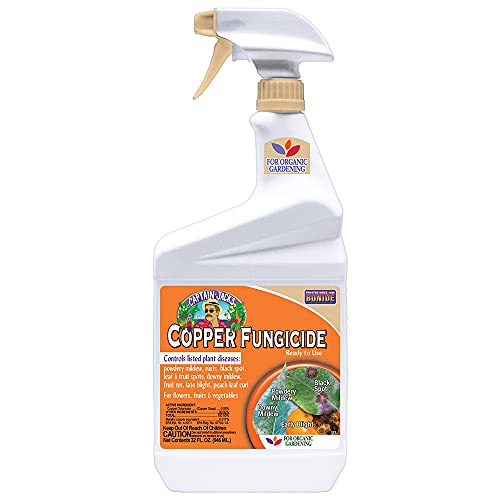
As your roses grow, vigilant pest and disease management becomes essential. Common threats like aphids and black spot can jeopardize your blooms’ health.
Regularly check your plants for any signs of trouble and consider introducing beneficial insects like ladybugs to help manage pests. Use organic solutions like neem oil or insecticidal soap for infestations.
Maintaining good air circulation and avoiding overwatering will also help prevent diseases, keeping your roses thriving and vibrant.
You Might Also Like

Pest and Disease Management
Editor’s Choice

Insect Lore Ladybug Land | Ladybug Growing Kit Habitat | Redeem Voucher …

Bonide Captain Jack’s Neem Oil, 32 oz Ready-to-Use Spray, Multi-Purpose …

Bonide Insecticidal Soap, 32 oz Ready-to-Use Spray Multi-Purpose Insect …
8. Celebrate the Blooms

After all your dedication and effort, it’s time to enjoy the beautiful blooms your roses have produced. This is your moment to celebrate the fruits of your labor!
Arrange fresh-cut roses in vases to brighten your home or share them with loved ones. Capture your blooming journey by taking photos of different stages of growth.
Consider hosting a small garden party to showcase your stunning roses and inspire others about the joys of organic gardening.
Did you know rose seeds take time to bloom, but celebrating the first blooms can fuel motivation? Fun fact: fresh-cut roses last 5–7 days in a vase when you trim stems and refresh water daily. Capture the journey by photographing each growth stage!
Recommended Products

"FREE SOIL MOISTURE METER AND SOIL PH METER WITH EVERY ORDER: Keep Your plant and your plant's Soil in optimal condition with our FREE soil moisture meter and soil PH meter with watering globe purchase. Keeps your plant's soil moist and perfectly balanced. Reduce time guessing with your plant's soil moisture and PH with our moisture and soil PH meter. "

【Self-Watering Globes】When the plant needs water, water or nutrient solution can be infused into the soil through the many tiny pores on the tail of the watering device. Make sure your plants receive a steady supply of water and prevent over watering.
How To Choose the Right Rose Seeds
Choosing the right rose seeds is crucial for growing beautiful blooms at home. With so many options available, it can be overwhelming. Here are some key factors to consider when selecting rose seeds for your garden.
1. Seed Variety
Start by determining what type of rose you want to grow. There are many varieties, such as hybrid tea, floribunda, and climbing roses, each with unique characteristics. Think about your garden space and what colors or fragrances you prefer. Researching the varieties will help you choose the best option for your needs.
2. Climate Suitability
Consider your local climate when selecting rose seeds. Some roses thrive in warm climates, while others prefer cooler temperatures. Check the hardiness zone for the rose varieties you’re interested in. Choosing seeds suited to your climate will improve your chances of success when growing roses from seeds.
3. Disease Resistance
Look for rose seeds that have been bred for disease resistance. Common rose diseases like powdery mildew and black spot can ruin your blooms. Many seed suppliers provide information on disease resistance, so you can choose healthier options. This step is essential for protecting your plants throughout their growing cycle.
4. Seed Quality
Always buy seeds from reputable suppliers. High-quality seeds have a better germination rate and are more likely to produce healthy plants. Check reviews and opt for seeds that come with a guarantee. This way, you can feel confident about your investment in beautiful roses.
5. Organic Options
If you’re into organic gardening, look for organic rose seeds. These seeds are grown without synthetic pesticides or fertilizers, which is better for the environment and your health. Choosing organic seeds can also lead to more resilient plants, making them a great option for sustainable gardening.
6. Seed Viability
Before purchasing, check the seed viability date, usually printed on the seed packet. Fresh seeds usually have a higher germination rate than older seeds. Aim for seeds that have been harvested recently—ideally within the past year—to ensure that they will sprout effectively.
Pro Tip: When you’re unsure which variety to choose, consider starting with a mixed pack of seeds. This way, you can experiment with different types of roses and find out what you enjoy growing the most.
By taking these factors into account when selecting your rose seeds, you’ll be setting yourself up for a successful and rewarding gardening experience. Happy planting!


Celebrate the Blooms
Editor’s Choice

Novelty Place 100 Feet Pennant Banner – 75 Multicolor Bunting Flags (7×1…
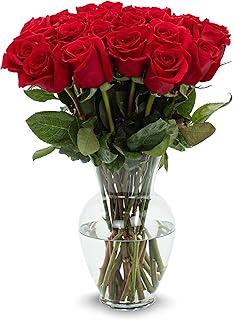
Stargazer Barn 24 Stem Premium Red Roses Bouquet with Vase – Fresh Cut F…

GardePro A3S Trail Camera (Non-Cellular, Non-WiFi), Enhanced Low-Light P…
Conclusion

Growing roses from seeds is a rewarding journey filled with excitement and beauty. By following these rose gardening tips, you can nurture your very own garden of vibrant blooms. Remember to enjoy the process, take notes on what works best for you, and most importantly, celebrate each step of your gardening adventure!
Happy gardening!
Note: We aim to provide accurate product links, but some may occasionally expire or become unavailable. If this happens, please search directly on Amazon for the product or a suitable alternative.
This post contains Amazon affiliate links, meaning we may earn a small commission if you purchase through our links, at no extra cost to you.
Frequently Asked Questions
What is the best way to start growing roses from seeds at home?
Starting with rose seeds is exciting and doable at home.
Begin with a clean, sterile seed-starting mix and a shallow tray.
Do stratification—a cold, moist treatment—for 6–12 weeks by mixing seeds with damp peat or sphagnum and refrigerating.
After stratification, sow seeds shallowly in a tray, barely covering them.
Keep the soil consistently moist and place the tray in bright, indirect light.
When seedlings emerge, transplant them into small pots with a light, organic-rich mix and feed with a diluted organic fertilizer.
As they grow, provide at least 6 hours of sun and ensure good air circulation to prevent damping-off.
With patience, you can grow healthy plants from those rose seeds and move toward flowering in about 1–3 years.
How long does it take for rose seeds to germinate and produce flowering plants?
Germination after stratification usually occurs within 2–6 weeks, but some varieties may take longer.
In general, from sowing to a flowering plant, you’re looking at about 1–3 years, depending on cultivar and growing conditions.
Remember that rose seeds often don’t come true to the parent, so you may get unique blooms.
For quicker results, you can start with cuttings, but if you stick with growing roses from seeds, stay patient and celebrate the surprises your new roses bring.
What soil, light, and watering routine do rose seeds need for healthy growth?
Choose loamy, well-draining soil with a pH of about 6.0–6.5.
Enrich with compost for organic rose seed care.
Use a sterile seed-starting mix for germination, then transplant to a potting mix that’s rich in organic matter.
Provide full sun (6+ hours daily) or bright, indirect light in cooler climates.
Water at the base to keep foliage dry and reduce disease risk; keep the soil evenly moist but not soggy.
Mulch to retain moisture and feed with a gentle, organic fertilizer after true leaves appear.
This approach aligns with home gardening techniques and rose seed care.
Can organic methods improve germination and growth when growing roses from seeds?
Yes—organic methods support healthy seedling development.
Use compost, worm castings, and natural, non-toxic seed-starting mixes instead of synthetic potting soils.
Practice proper stratification and scarification as needed, and rely on environmental controls (light, humidity, air flow) rather than chemicals.
Regularly monitor for pests with organic controls and remove weak seedlings promptly.
This is classic rose gardening tips and home gardening techniques for cultivating beautiful roses from rose seeds.
What common problems should I watch for when growing roses from seeds, and how can I fix them?
Common issues include mold during germination, damping-off in crowded trays, slow growth, sun scald, and pests.
Fix by using a clean, well-draining seed-starting mix, avoiding overwatering, and ensuring good air circulation.
Thin out crowded seedlings to reduce competition, and harden them off gradually before transplanting.
If pests appear, apply organic controls like neem oil or insecticidal soap and keep foliage dry to deter fungal problems.
With steady care, you’ll grow strong, healthy plants from those rose seeds.
Related Topics
rose seeds
organic gardening
rose gardening tips
growing roses
home gardening
plant care
beginner friendly
seed propagation
cultivating roses
flower gardening
easy gardening
seasonal blooms