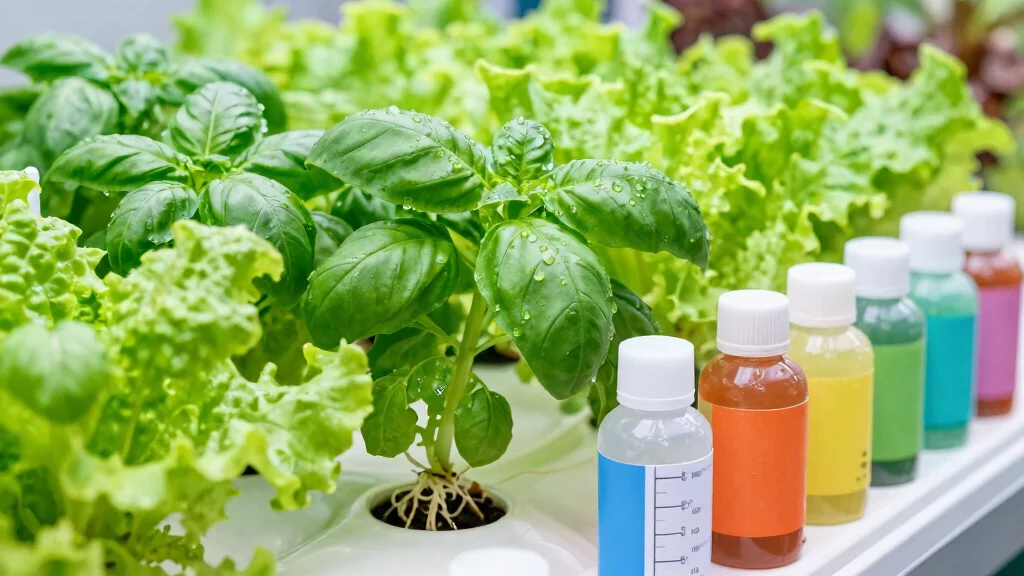
Hydroponics has me obsessed with how to effortlessly grow healthy plants without soil. If you’re a fellow gardening enthusiast, especially someone who loves experimenting with organic nutrient solutions, this post is just for you. I gathered 7 nutrient solution tips to help you give your plants the nourishment they crave, leading to robust growth and bountiful yields.
In this guide, you’ll discover practical tips and tricks for creating the best nutrient solution for hydroponics. Whether you’re a beginner or a seasoned pro, these insights will enrich your understanding of plant nutrition. You’ll learn about macro and micronutrients, how to customize your nutrient recipes, and the importance of timing your applications. By the end, you’ll have actionable strategies to improve your hydroponic gardening techniques and ensure your plants stay healthy and vibrant.
So, roll up your sleeves and get ready to dive into the world of hydroponic nutrients. Your plants will thank you for it!
Key Takeaways
– Understanding macro and micronutrients is crucial for healthy plant growth. They provide essential elements that plants need to thrive.
– Customizing your nutrient solution recipes can maximize efficiency and cater to specific plant needs. This ensures that each variety gets just what it requires.
– Timing your nutrient solution application can significantly impact growth rates. Knowing when to feed your plants can make all the difference in their health.
– Monitoring plant health helps you adjust nutrient levels as needed. Regular check-ups can prevent deficiencies or excesses that could harm your plants.
– Utilizing organic nutrients in your hydroponic system can enhance plant quality and safety. Organic solutions support sustainable gardening practices while improving flavor and yield.
Recommended Products

Simultaneously display pH EC Temp or pH ppm Temp: This pH tester can display the measured values of pH EC and temperature at the same time. Press the MODE button can adjust to display the measured values of pH PPM and temperature Simultaneously; read 3 parameters at a time, which is easier to use; and this water pH meter has a lock function, whether it is used to measure hydroponics, drinking water or aquarium, you can easily lock and record the readings

4-in-1 pH Meter with Color Screen: GIDIGI ph testers for water with pH, TDS, EC and temperature values on the large, easy-read color display. No need to compare colors using test strips—water ph tester can get a complete water quality snapshot instantly, this ph and ppm meter is perfect for hydroponic nutrient solutions.

Multi-functional 4-in-1 pH Tester: Our GIDIGI digital pH testers are versatile and can measure not only pH values but also TDS, EC, and water temperature. With a wide test range for pH (0.1-14.0), EC (0-9990μS/cm, 10.01-19.99mS/cm), TDS (0-9990ppm), and temperature (32.0-140.0℉, 0.0-60.0℃), it is perfect for various applications such as hydroponics, aquariums, drinking water, swimming pools, tap water, hot tubs, and brewing
1. Understanding Macro and Micronutrients

If you want your hydroponic garden to thrive, understanding macro and micronutrients is essential. These nutrients are the building blocks of plant health, impacting everything from growth to yield. Macro-nutrients like nitrogen, phosphorus, and potassium are crucial for overall development, while micronutrients such as iron, manganese, and zinc are vital for specific functions. For example, nitrogen is key for lush leaves, while phosphorus helps roots flourish and flowers bloom.
Regularly testing your nutrient solution is a great way to keep things balanced. Adjust nutrient levels according to your plants’ growth stages for optimal results. Don’t overlook organic options like fish emulsion or seaweed extracts, which can enhance nutrient uptake significantly.
Here are some tips for creating an effective nutrient solution:
– Test the nutrient solution frequently for pH and EC levels.
– Modify nutrient concentrations based on plant growth stages.
– Use organic sources to boost nutrient absorption.
By mastering these basics, you’ll provide your plants with the nutrition they need to flourish and thrive.
Recommended Products

DESCRIPTION: Jackpot Micronutrient Mix contains additional micronutrients, beyond the basic three essential nutrients: Nitrogen, Phosphorus, and Potassium (NPK), to supplement plant growth and keep soil healthy.

Made for AeroGarden Systems – Formulated to support plant growth in AeroGarden and similar units.

THRIVE WITH VEGETATIVE GROWTH: Experience vegetative growth with Fox Farm Grow Big Hydroponic, designed specifically for hydroponic systems. The 3-2-6 nutrient mix supports plants, size and structure
Understanding Macro and Micronutrients
Editor’s Choice

Kolder Mini Measure Heavy Glass, 20-Incremental Measurements Multi-Purpo…


Liquid Plant Food for use in AeroGarden, IDOO and Hydroponic Growing Sys…

General Hydroponics FloraMicro 5-0-1 Plant Food, Part of FloraSeries Adv…
2. Customizing Your Nutrient Solution Recipes
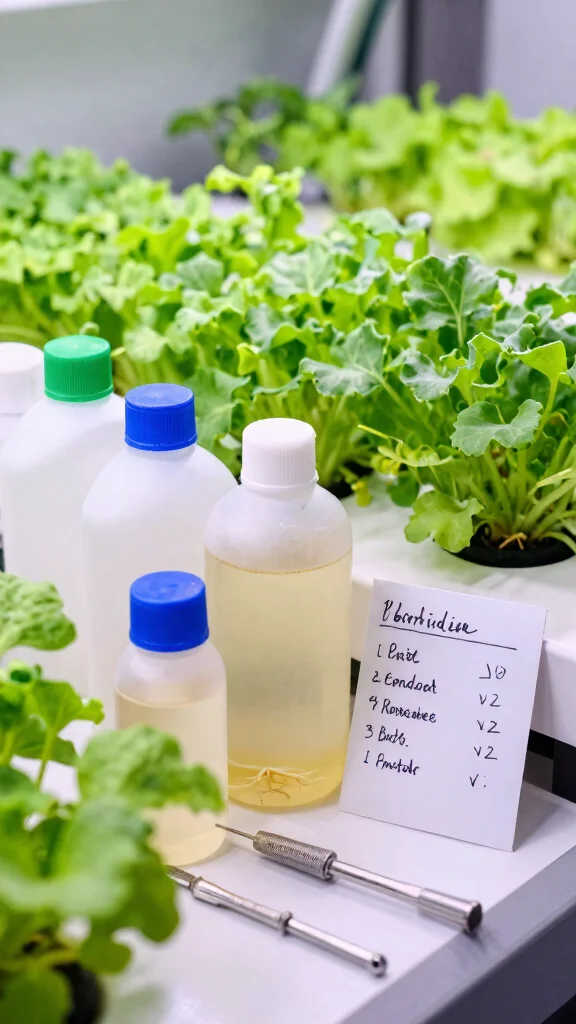
Every hydroponic gardener dreams of a nutrient solution that perfectly fits their plants’ needs. You can easily create your own nutrient mixes at home, making the process enjoyable and rewarding. Start with a basic recipe and adjust it based on your plants’ responses. A simple mix could include one part each of nitrogen-rich, phosphorus-rich, and potassium-rich fertilizers.
Including a micronutrient blend is essential to cover all trace elements your plants require. Keep experimenting with different ratios to discover what works best for each plant type. For instance, lettuce prefers higher nitrogen, while peppers thrive with more potassium as they mature.
Get started with these actions:
– Mix one part nitrogen, phosphorus, and potassium fertilizers.
– Include a micronutrient blend in your recipe.
– Track results to refine your nutrient mixes.
Customizing your nutrient solution can lead to amazing growth and healthier plants!
Nailing a nutrient solution for hydroponics is a DIY recipe—start simple, watch how your plants respond, then tweak. A balanced mix plus micronutrients turns curiosity into thriving growth, and gives you rewards you can see leaf after leaf.
Recommended Products
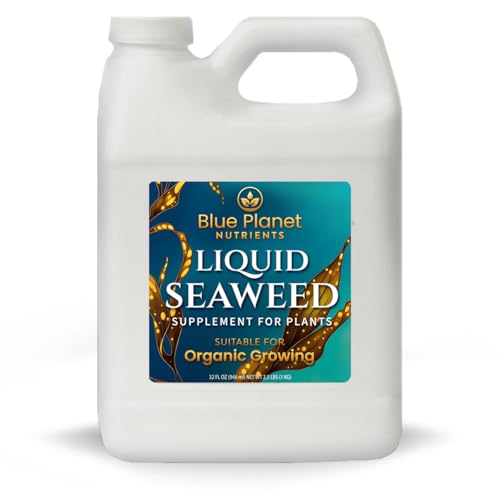
Explosive Root & Plant Vitality: Premium liquid kelp concentrate derived from Ascophyllum nodosum seaweed delivers natural growth hormones, trace minerals, and amino acids for stronger roots and lush foliage in every garden.

【Kelp seaweed extract】has long been known as one of the most effective, natural and potent ways to improve your plants. Improve resistance to stress; promote fruit and flower expansion, coloring and potency, and increase Brix! Rich concentrations of more than 70 vitamins, minerals, and enzymes helps benefit your plants and revitalize your soil media.

Made with Seaweed-Based Nutrition – Formulated to support healthy growth using seaweed-derived plant nutrients.
Customizing Your Nutrient Solution Recipes
Editor’s Choice

General Hydroponics FloraSeries Advanced Nutrient Fertilizer System, 3-P…


Jack’s Elementals Mix of Soluble Traces Most Water-Soluble Fertilizer wi…
3. Timing Your Nutrient Solution Application

When it comes to hydroponics, timing your nutrient application is crucial for encouraging plant growth. Providing nutrients at the right time can significantly affect how well your plants thrive. For fast-growing crops like lettuce, a consistent nutrient feed every few days is ideal, while slower-growing plants benefit from less frequent but concentrated feedings.
Always pay attention to your plants’ responses to adjust your feeding schedule. Look for signs such as leaf color and growth rate to gauge their nutrient needs.
Follow these guidelines for effective timing:
– Monitor leaf color and growth rate for nutrient needs.
– Create a feeding schedule based on growth stages.
– Regularly flush your system to avoid nutrient buildup.
By timing your nutrient feedings accurately, you’ll enhance plant health and boost growth rates.
Timing Your Nutrient Solution Application
Editor’s Choice
Liquid Plant Food for use in AeroGarden, IDOO and Hydroponic Growing Sys…

VIVOSUN Digital pH and TDS Meter Kits, 0.01pH High Accuracy Pen Type pH …

Jebao Programmable Auto Dosing Pump DP-4, Black
4. Monitoring Plant Health
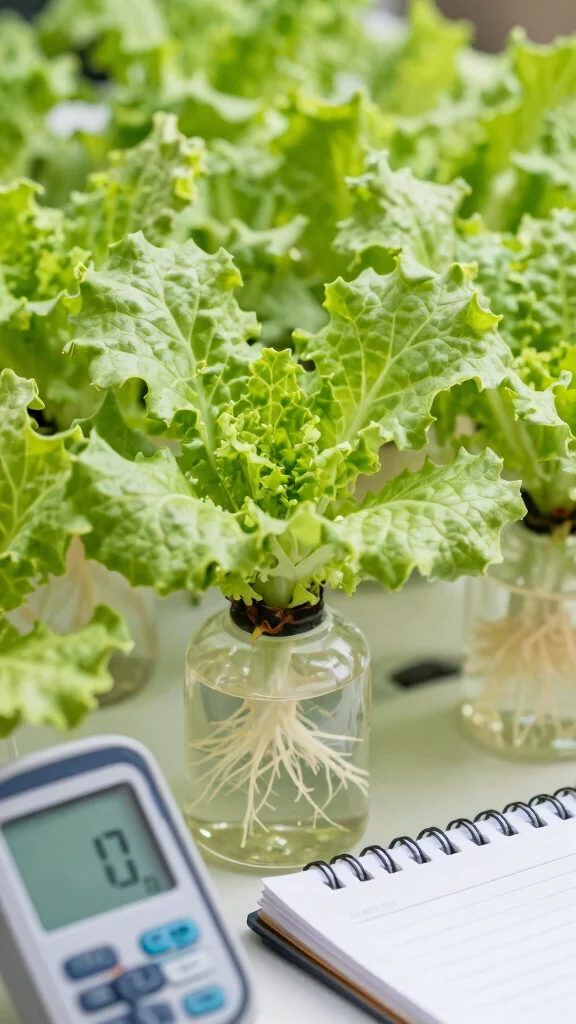
Keeping a close watch on your plants is vital for a successful hydroponic garden. Regular monitoring helps you spot any nutrient deficiencies or excesses before they become serious problems. Signs such as yellowing leaves, stunted growth, or wilting can indicate nutrient imbalances that need addressing.
Keeping a journal of plant growth and nutrient changes can be beneficial. Use a pH meter to ensure your solution stays within the ideal range, typically between 5.5 and 6.5 for most plants.
Here are some practical steps to monitor your plants:
– Keep a growth journal to track changes.
– Use a pH meter regularly to check solution levels.
– Assess root health by gently checking for rot.
A proactive approach to monitoring allows you to make necessary adjustments, ensuring your plants get the nutrients they need to thrive.
Recommended Products

CONSISTENT GROWTH: Our liquid fertilizer for indoor plants is formulated to nourish your aeroponics & hydroponics with a 4-3-6 NPK ratio & essential micronutrients for growth and bountiful harvest.

【10 Pack A & B Hydroponic Plant Food】Include 2 bottles and an extra 8-pack of A&B nutrients, totaling 1000ml. These supplies will provide the essential elements needed for the healthy growth of your indoor or potted plants

【8 Pack A & B Hydroponic Plant Food】Our hydroponics supplies plant food is equipped with 2 bottles and extra 6 pack of A&B nutrients, which provide you with endless supplies and the essential elements necessary for healthy indoor or potted plants growth
You might also like

Monitoring Plant Health
Editor’s Choice

pH Meter for Hydroponics PPM EC Meter for Plant Nutrients Simultaneous M…

MySoil Soil Test Kit 2 Pack, Unlock Your Lawn & Garden Potential, Comple…
5. Utilizing Organic Nutrients
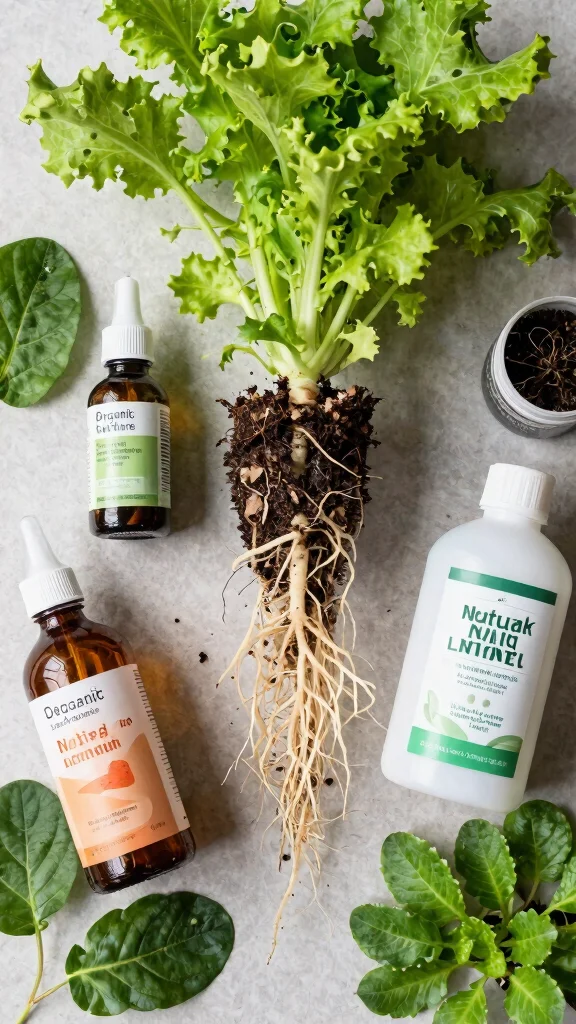
Organic nutrient solutions are becoming a popular choice for those wanting healthier plants in hydroponics. Natural fertilizers like compost teas, fish emulsions, and seaweed extracts can enrich your nutrient solution while introducing beneficial microbes. Organic nutrients not only boost root health but also improve mineral availability.
Incorporate organic matter to enhance your nutrient profile. Consider adding vermicompost or compost extracts rich in beneficial microbes.
Start using organic nutrients with these ideas:
– Mix in organic matter to enhance nutrient content.
– Utilize compost extracts full of microbial life.
– Explore organic nutrient kits for easy application.
Transitioning to organic nutrients can result in vibrant, healthy plants and even tastier produce!
Fun fact: Organic nutrients can boost beneficial microbes in hydroponic roots by up to 40%, supercharging your nutrient solution for hydroponics. Combine compost teas or seaweed extracts and watch root health and mineral uptake improve, making growth more efficient.
Recommended Products

pH Tester for Growers: Optimal pH range for most hydroponic plants is 5.3-6.5. If the pH is too low, plants may not be able to access important nutrients. If the pH is too high, plants may experience yellowing leaves and stunted

PH and EC meter for Water Hydroponics: Typical EC values for hydroponic nutrients can range from 500 to 2000 µS/cm, and the optimal pH value is the slightly acidic range of 5.5-6.5; YINMIK pH EC meter provides the consistency and accuracy readings of your feedings in hydroponic garden system, to keep your plants balance and healthy

{One-click access to the temperature pH EC value of hydroponic nutrients solution} YINMIK 4-in-1 pH EC tester is a professional tester for hydroponic growers. The pH ppm mode is designed for hydroponic basic reservoirs, and the pH EC mode is designed for hydroponic nutrient solutions.The pH and temperature of this product are always displayed on the screen.
Utilizing Organic Nutrients
Editor’s Choice

1 Gallon Organic Fish Emulsion Fertilizer for Plants – Ideal Liquid Fish…

Brut Organic Worm Castings for Plants 5 LB – Natural Nutrients, Fertil…

Neptune’s Harvest Fish & Seaweed Liquid Fertilizer (2-3-1) – 1 Gallon Bo…
6. Adjusting Nutrient Solutions for Different Plant Stages

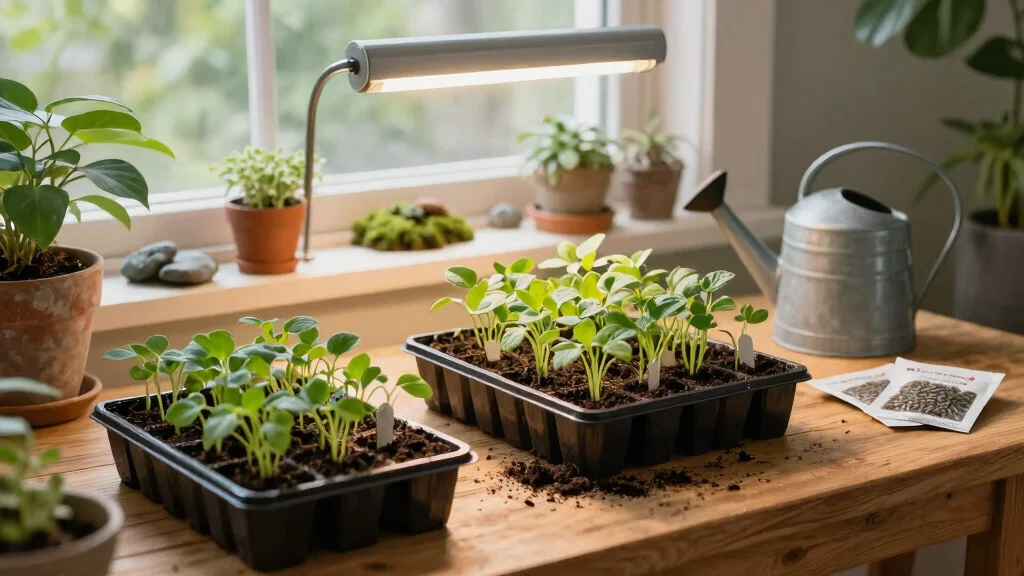
As your plants grow, their nutrient needs shift significantly. Adjusting your nutrient solution according to their growth stage is essential for optimal development. Seedlings benefit from higher phosphorus to support root growth, while flowering plants require more potassium for blossom production.
Create unique nutrient recipes tailored for each growth stage to maximize their potential. Keep a record of your adjustments and their effects to fine-tune your approach.
Here’s how to adjust your nutrient solutions:
– Develop specific recipes for seedlings, vegetative, and flowering stages.
– Balance nutrients based on plant types being grown.
– Document changes and their impact on growth.
By customizing your nutrient solution for each plant stage, you’ll ensure they flourish efficiently.
Recommended Products

Let our professionally formulated plant food help you get more yield out of your hydroponic system

Massive 800ml Value: Ahopegarden's concentrated hydroponic fertilizer dissolves quickly for easy mixing. Use the marked bottle cap for precise, effortless measurement. Contains 800ml of powerful A & B formula, offering long-lasting support for multiple growth cycles of lush hydroponic plants.

COMPARE TO MASTERBLEND & Jacks 321 - Cz Garden 4-18-38 is a great value option, offering an identical Guaranteed Analysis formula to MasterBlend but at a lower cost. If you're specifically targeting plants in the flowering or fruiting stages, Cz Garden is the more economical choice!
📹 Related Video: Vegetative Stage with Alfrea’s Hydroponics & Garden
You Might Also Like

Adjusting Nutrient Solutions for Different Plan…
Editor’s Choice

Liquid Plant Food for use in AeroGarden, IDOO and Hydroponic Growing Sys…
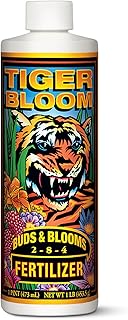
FoxFarm Tiger Bloom Liquid Plant Food – Phosphorus Fertilizer for Buds, …
7. Exploring Advanced Hydroponic Nutrient Techniques

Once you grasp the basics of nutrient solutions, it’s time to explore advanced techniques that can elevate your hydroponic gardening. Methods like nutrient film technique (NFT) and deep water culture (DWC) enhance nutrient delivery and plant growth. In NFT, a thin stream of nutrient solution nourishes the roots, while DWC immerses roots in a nutrient-rich reservoir.
Consider trying aeroponic systems that mist roots for efficient nutrient and oxygen delivery. Online hydroponic nutrient calculators can help you formulate precise mixes.
Here are some advanced techniques to try:
– Experiment with aeroponic systems for efficient growth.
– Use nutrient calculators to create exact mixes.
– Stay updated with research for new strategies.
Embracing these advanced methods will maximize plant health and significantly boost your yields!
Fun fact: NFT delivers a thin nutrient stream that feeds roots while wasting less water—up to 30% efficiency gain in some setups. Pair NFT with DWC and aeroponics to optimize your nutrient solution for hydroponics.
Recommended Products

Explosive Root & Plant Vitality: Premium liquid kelp concentrate derived from Ascophyllum nodosum seaweed delivers natural growth hormones, trace minerals, and amino acids for stronger roots and lush foliage in every garden.

ULTRA-SOLUBLE & PUMP SAFE: Our Florasoul powder dissolves completely in water, sediment or residue can easily be washed off. Perfect for Drip Systems, Aeroponics, Ebb & Flow, and Kratky methods. Keep your pumps and emitters running smoothly without clogging.
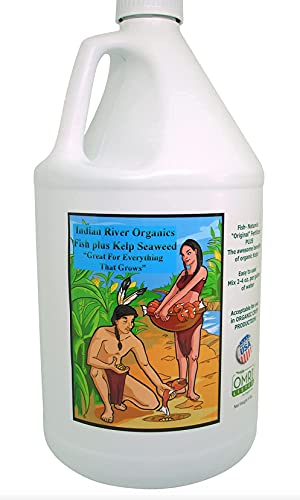
ORGANIC FISH AND SEAWEED FERTILIZER: Now our all-natural high quality fish fertilizer is combined with North Atlantic kelp to produce a plant nutrient source that is beyond compare. Your plants get all the benefits of a natural liquid fish fertilizer PLUS all the additional benefits of seaweed in one easy to use liquid product. Plants receiving both fish and seaweed fertilizer out-perform in every category, they are much healthier and more resistant to heat, drought, and cold.
How To Choose The Right Nutrient Solution for Hydroponics
Choosing the right nutrient solution for hydroponics can make a big difference for your plants. A well-balanced nutrient solution helps your plants grow strong and healthy. Here are some key criteria to consider when selecting the perfect solution for your hydroponic setup:
1. Understand Macro and Micronutrients
Plants need a variety of nutrients to thrive. Macro nutrients like nitrogen, phosphorus, and potassium are essential for growth. Micronutrients, such as iron and manganese, support various plant functions. Make sure your nutrient solution contains both macro and micronutrients in the right balance for your specific plants.
2. Consider the Type of Plants
Different plants have different nutrient needs. Leafy greens like lettuce may require a different nutrient mix than fruiting plants like tomatoes. Research the specific nutrient requirements for the plants you are growing. This will ensure that they receive the right amount of nutrients at each growth stage.
3. Check for Organic vs. Synthetic Options
Organic nutrient solutions are derived from natural sources and are often preferred for their environmental benefits. Synthetic solutions can provide quick nutrient uptake and may be useful for rapid growth. Decide which type aligns with your gardening philosophy and the health of your plants.
4. Assess the pH Level
The pH level of your nutrient solution affects nutrient availability. Most plants prefer a pH range of 5.5 to 6.5. Test your nutrient solution regularly and adjust the pH as needed. You can use pH up or down solutions to achieve the desired level.
5. Evaluate Cost and Availability
Nutrient solutions can vary widely in price. Consider your budget and the availability of products in your area. Buying in bulk may save you money over time. Check local garden centers or online retailers for the best options.
6. Read Reviews and Recommendations
Before making a purchase, look for reviews from other hydroponic gardeners. Their experiences can provide insights into the effectiveness of specific nutrient solutions. Online gardening forums and communities can be a valuable resource for recommendations.
Pro Tip: Start with a basic nutrient solution and adjust as you learn more about your plants’ needs. Keep a journal of your observations to track which nutrients work best for your specific setup!
By following these tips, you can choose the right nutrient solution for hydroponics that will help your plants flourish. Always remember that each plant type may require different nutrients at various growth stages, so be observant and ready to adapt as needed!


Exploring Advanced Hydroponic Nutrient Techniques
Editor’s Choice

NFT Hydroponics Growing System,36 Pods Wall-Mounted Indoor Garden,Fu…
Liquid Plant Food for use in AeroGarden, IDOO and Hydroponic Growing Sys…

Aeroponics Growing System with Grow Light & Humidifier – Smart Indoor Ga…
Conclusion

Creating a thriving hydroponic garden is all about understanding and applying the right nutrient solutions.
From grasping the basics of macro and micronutrients to customizing your blends and monitoring plant health, each step is crucial in ensuring maximum growth. By utilizing these tips and techniques, you can watch your plants flourish. Don’t hesitate to explore new methods and adjust as needed; hydroponics is a journey of discovery and innovation!
Note: We aim to provide accurate product links, but some may occasionally expire or become unavailable. If this happens, please search directly on Amazon for the product or a suitable alternative.
This post contains Amazon affiliate links, meaning we may earn a small commission if you purchase through our links, at no extra cost to you.
Recommended Products

Supports Roots & Plant Development – Helps encourage strong roots and balanced plant growth.

800ML Hydroponic Plant Nutrients: Our Hydroponic Nutrients come with 2 bottles and an extra 6 packs of A&B Nutrients, giving you an endless supply and the essential elements you need for healt-hy indoor or potted plant grow-th.

General Hydroponics Fertilizer: Our indoor plant food is specifically formulated to provide the essential nutrients plants need for robust growth. It supports strong root development, lush foliage, and abundant flowering, ensuring your plants thrive and flourish in their hydroponic environment.
Frequently Asked Questions
What is a nutrient solution for hydroponics and why is it essential for plant health?
A nutrient solution for hydroponics is a water-based mix that delivers essential minerals directly to the roots. It provides macro nutrients like nitrogen, phosphorus, potassium, calcium, magnesium, and sulfur, plus micronutrients such as iron, manganese, zinc, copper, boron, molybdenum, and chlorine. For organic systems, use inputs like fish emulsion, kelp extract, and compost teas to create a nutrient solution that supports maximizing plant health. Start with a recommended organic recipe, then monitor and adjust pH and EC to your crop’s needs. Regularly observe plant growth tips—steady color, strong new growth, and even spacing of leaves indicate your nutrient solution is on the right track.
What are effective organic nutrient solutions for hydroponics to maximize plant health?
Organic nutrient solutions for hydroponics use natural inputs that release minerals as they break down. Great options include fish emulsion for nitrogen, kelp extract for trace minerals and growth hormones, and compost tea for microbial health. A simple recipe to start: mix kelp extract and fish emulsion at label-approved dilutions and supplement with a splash of compost tea; adjust EC and keep pH in the 5.5–6.5 range. Use proper hydroponic gardening techniques like clean water, gentle aeration, and avoiding salt buildup to maximize plant health. Always rotate inputs and monitor plant responses to dial in the best nutrient solution recipes for your crops.
How do I know my hydroponic nutrient solution is feeding my plants correctly?
The best feedback is plant performance plus meter readings. Regularly test pH (aim typically 5.5–6.5 for most crops) and EC (adjust to crop stage, e.g., greens around 0.8–1.6 mS/cm). Look for signs like deep green color, uniform growth, and robust new shoots as signals of a good nutrient solution for hydroponics. Water too alkaline or saline will show tip burn, pale leaves, or slowed growth—adjust your recipe, then re-test. Keep a simple feeding log to track changes and stay on track with plant growth tips.
Can I customize nutrient solution recipes for different plants in hydroponics?
Absolutely. Different crops have different nutrient demands. Leafy greens typically prefer higher nitrogen for leafy growth, while fruiting plants need more phosphorus and potassium during flowering and fruit set. Start with a base organic nutrient solution and adjust ratios weekly based on growth and plant growth tips. For practical results, follow hydroponic gardening techniques and use crop-specific nutrient solution recipes—for example, a greens-forward mix vs a fruiting-focused mix—and flush between cycles to avoid salt buildup.
What common mistakes should beginners avoid when mixing and applying nutrient solutions for hydroponics?
Avoid guessing and skip calibration. Common mistakes include not checking pH and EC before feeding, overfeeding, using soil-based fertilizers in a hydroponic system, and neglecting sanitation. Temperature, aeration, and water quality matter too—keep solutions fresh and well-aerated. Keep a feeding schedule and log, start with a small batch, and gradually adjust to prevent nutrient lockout. By following careful hydroponic gardening techniques, you’ll reduce risk and accelerate maximizing plant health.
Related Topics
nutrient solution for hydroponics
hydroponic nutrients
plant growth tips
nutrient solution recipes
hydroponic gardening techniques
maximizing plant health
organic gardening
beginner hydroponics
advanced nutrient management
soilless cultivation
sustainable gardening
DIY hydroponics