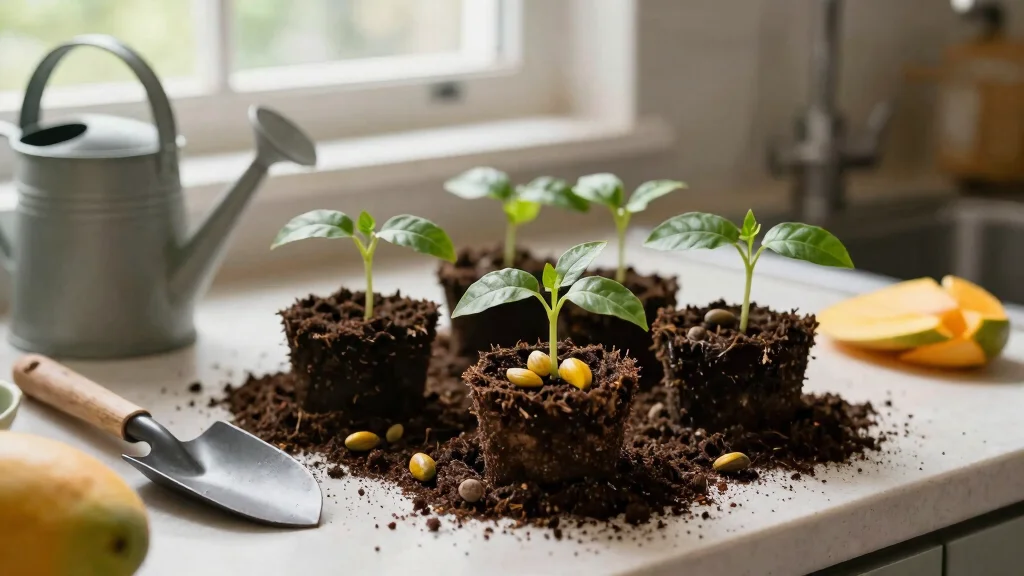
Growing your own mango tree from seed is not just a fun project; it’s a delightful way to turn kitchen scraps into a piece of tropical paradise. If you’ve been enjoying juicy mangoes and are curious about the process of mango seed germination, you are in the right place. This post is designed with urban gardeners in mind, especially those working with limited space. You don’t need a sprawling backyard to enjoy the sweet fruits of your labor; even a small balcony or patio can host a thriving mango tree!
If you love home gardening and are looking for sustainable gardening practices, the idea of growing mango from seed could be the perfect fit for you. Not only is it an eco-friendly approach, but it’s also a rewarding experience that connects you with nature. In this guide, you’ll find nine essential tips that will help you navigate the entire process, from choosing the right mango variety to caring for your young tree. This post serves as your go-to resource for turning a simple mango seed into a flourishing tropical tree that can produce delicious fruit for years to come.
Get ready to dive into the world of container gardening mango styles, where you’ll learn how to care for your little green friend even in small urban spaces. You’ll leave with practical insights and useful strategies to put into action. Let’s transform that kitchen scrap into a thriving part of your garden!
Key Takeaways
– Choose the Right Mango Variety: Select a mango that matches your climate and space needs for the best results.
– Extracting and Preparing the Seed: Properly clean and prepare your mango seed to ensure successful germination.
– The Germination Process: Understanding the germination stages will help you care for your seedling effectively as it grows.
– Choosing the Right Container: Container gardening is key in urban settings, so pick a pot that allows for healthy root growth.
– Patience is Key: Mango trees take time to grow. Enjoy the process and celebrate the small milestones along the way.
Recommended Products

Graphene Seed Heat Mat for Faster Germination: Compared to traditional electric heating mats, our graphene heat mat heats up faster and more evenly, with a built-in timer for convenience. It creates the ideal environment for indoor seed starting trays, greenhouse seed germination, and hydroponic plant propagation. Designed for indoor gardening, this waterproof and reusable heat mat accelerates growth and improves seedling survival rates.

12-LED GROW LIGHT PER TRAY — Each of the five seed starting trays features a full-spectrum grow light with 12 LED beads, providing supplemental light for indoor seedlings.

Self-Watering System: No more over-watering or under-watering! You won't need to water frequently. The bottom of the seedling tray and capillary mat maintain ideal humidity, preventing over-watering or soil drying out. This promotes healthy root development, saves time and effort, and allows you to enjoy the fun of planting with ease.
1. Choose the Right Mango Variety
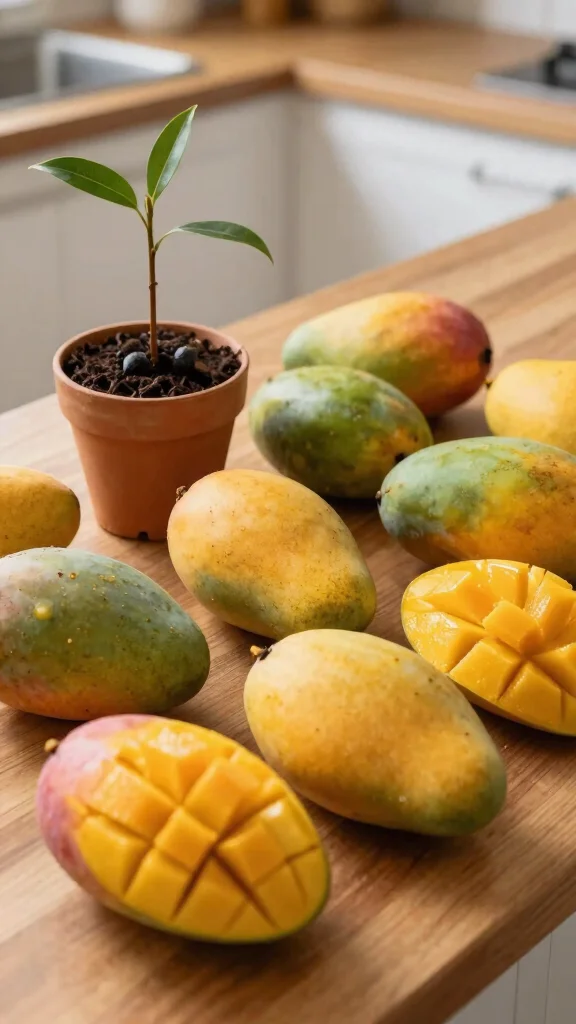
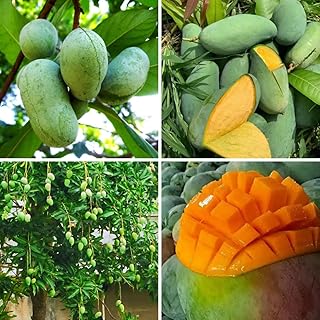
Finding the perfect mango variety is key to your gardening success. Different mangoes have unique traits, making some better suited for your climate and space. Consider popular options like the Alphonso or Haden, which are celebrated for their sweetness and adaptability. Choosing the right kind ensures that you get a healthy tree and delicious fruits down the line.
Start by selecting ripe, fresh mangoes. Organic varieties are ideal since they are free from harmful chemicals. After indulging in the juicy fruit, you’ll be ready to plant your future mango tree!
Key factors to remember:
– Select organic mangoes to avoid harmful pesticides.
– Choose varieties that thrive in pots or containers.
– Research growth habits to match your environment.
Picking the right mango variety is your first step toward growing delightful tropical treats at home!
Choosing the right mango variety makes growing mango from seed feel doable in small spaces. Start with Alphonso or Haden, then nurture a healthy tree from a ripe fruit—organic options give cleaner starts and sweeter harvests.
Recommended Products

NUTRIENT-RICH, NATURAL, AND ORGANIC SOIL: Grow a bountiful garden in your home with the Back to the Roots All-Purpose Natural and Organic Peat-Free 3-in-1 Seed Starting Mix, packed with the nutrients needed for your plants, flowers, and vegetables to thrive

CONTAINS: This organic Seed Stating soil mix is a rich blend of sphagnum peat moss & perlite with yucca extract and lime to ensure correct pH.

PREMIUM INGREDIENTS: This specifically crafted organic compost blend for seed germination and rooting cuttings is carefully formulated to provide essential nutrients that supports seedling development, drainage and aeration.
Choose the Right Mango Variety
Editor’s Choice
Miracle-Gro Indoor Potting Mix for Seed Starting, For Starting Vegetable…

3pcs Mango Tree Seeds for Planting – Fast-Growing Tropical Fruit Seeds…
2. Extracting and Preparing the Seed
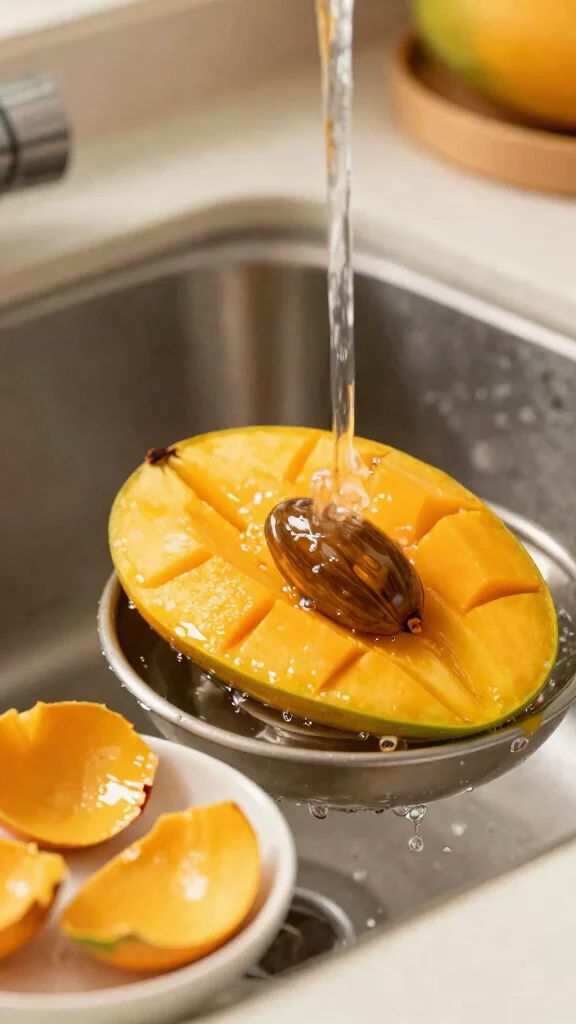
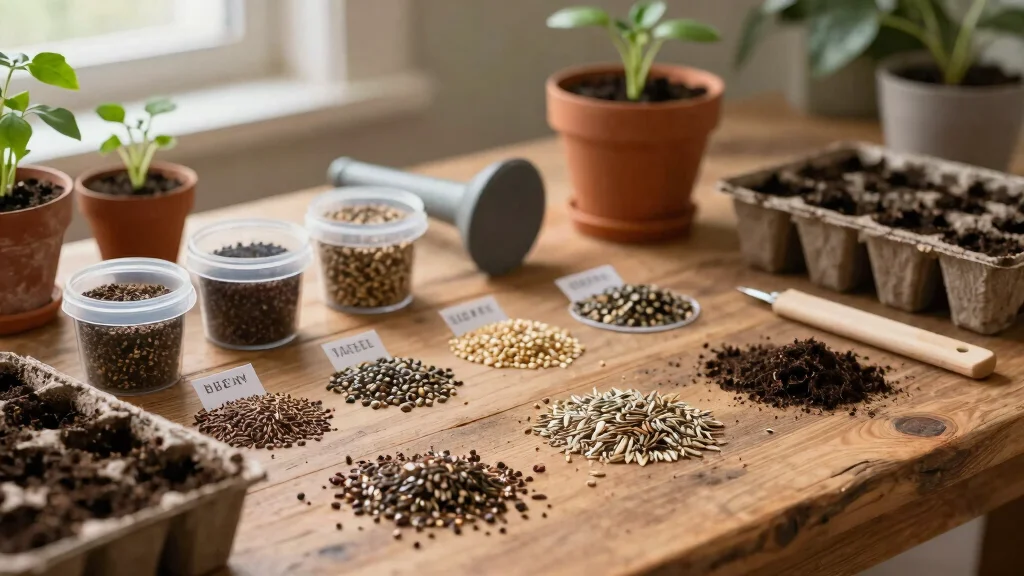
After relishing your mango, the next step is preparing the seed for planting. This part is essential for successful germination. Carefully take out the seed from the fruit, rinse it under water to remove residue, and let it dry completely.
Once dry, crack the hard outer shell to access the inner seed. You can gently tap it with a hammer or use your fingers to apply pressure—just be cautious not to damage it! After extraction, wrap the inner seed in a damp paper towel and place it in a plastic bag to kickstart sprouting.
Important steps to follow:
– Rinse and dry the seed thoroughly before use.
– Gently crack the shell to reveal the inner seed.
– Keep the inner seed moist to encourage growth.
By following these tips, you’ll give your mango seed a strong foundation for growth!
Recommended Products

CITRUS PLANT FOOD: This avacado, mango and citrus fruit tree fertilizer feeds plants for up to 3 months and nourishes above and below the soil

Made for Mango Trees – Formulated to support healthy growth in mango and tropical fruit trees.
Extracting and Preparing the Seed
Editor’s Choice

Qoolife Seed Starter Tray with Plant Light, 2 Pack Grow Lights for Seed …

Sustee Aquameter, Set of 5, Plant Soil Moisture Sensor (Green, Small)
3. The Germination Process
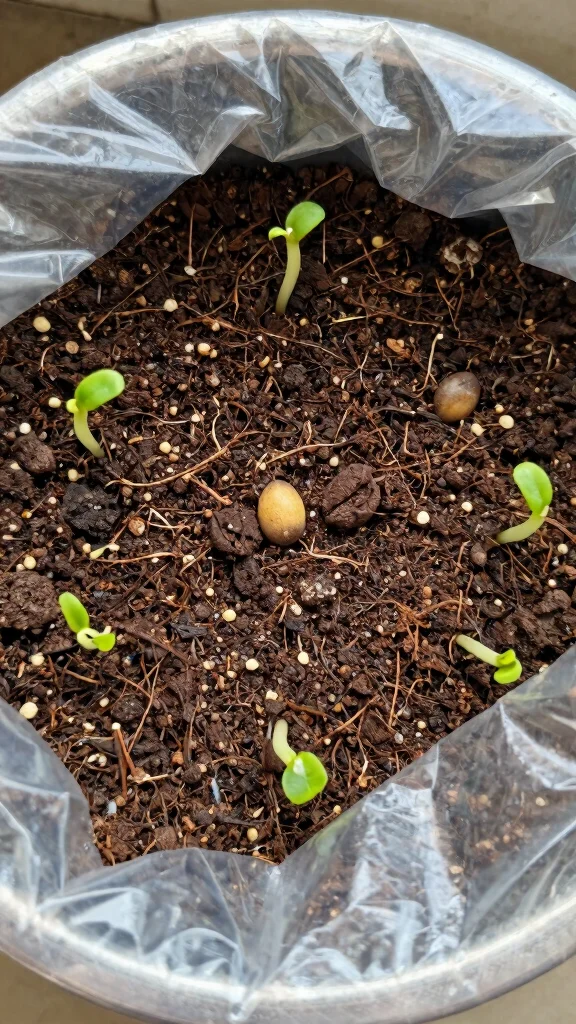
Germinating mango seeds is an exciting phase that requires your patience and care. After preparing your seeds, create an ideal environment for sprouting. Use a shallow container with well-draining potting soil, placing the seed flat side down.
Keep the soil moist but not overly wet, and cover the container with plastic wrap to maintain humidity—this is vital for germination. Within a week or two, you should see little sprouts emerging from the soil!
Important considerations include:
– Regularly check moisture levels to keep the soil damp.
– Use indirect sunlight to protect tender seedlings.
– Exercise patience and enjoy the growth process!
Germinating your mango seeds transforms your kitchen scraps into vibrant, thriving plants.
Fun fact: Mango seeds can sprout in as little as 1-2 weeks under steady warmth and humidity. Keep the soil barely moist and cover with plastic wrap to lock in humidity for steady germination. Your sprouts will thank you for patience.
Recommended Products

All-Natural: Special blend for growing avocados in containers or as houseplants

ALL-NATURAL MIX: Burpee Organic Premium Potting Mix is formulated with plant food & coconut coir to promote seed & root growth and healthy flower, vegetable & herb plants. OMRI Listed for organic use.

🌳 Mango Majesty Unveiled: Elevate your Mango Tree care with Gardenera's meticulously crafted Mango Tree Potting Mix, designed to nurture the growth and bounty of your mangoes.
The Germination Process
Editor’s Choice

10 Plant Growing Trays (No Drain Holes) – 20″ x 10″ – Perfect Garden See…

XLUX Long Probe Deep Use Soil Moisture Meter, Water Monitor Indicator Se…

VIVOSUN Durable Waterproof Seedling Heat Mat 10″ x 20.75″ UL & MET-Certi…
4. Choosing the Right Container
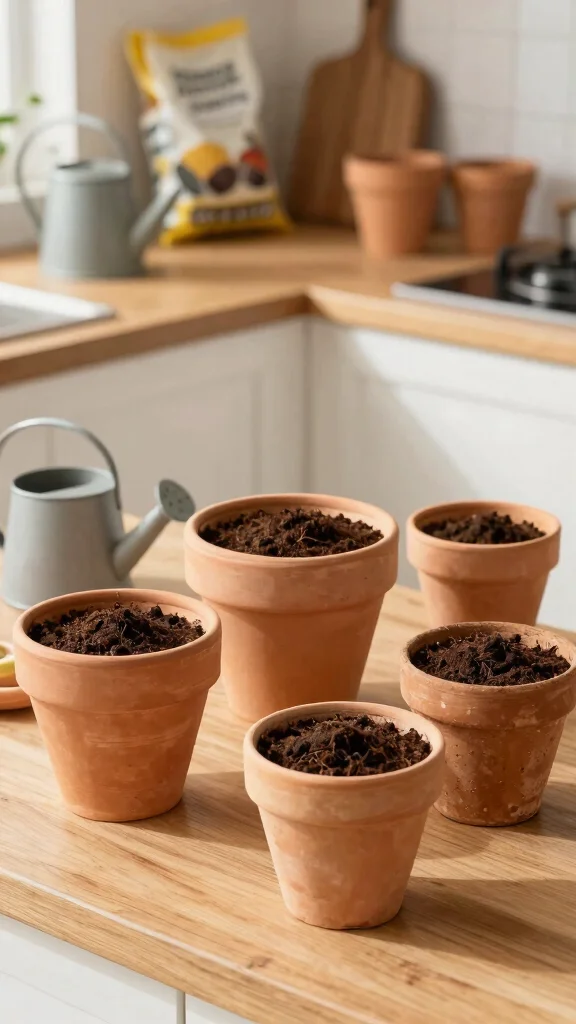
As your mango seedlings grow, moving them to the right container is essential for their success. Choose a pot that’s at least 12 inches deep and wide to allow for healthy root development. Clay pots are a fantastic option since they promote drainage and airflow.
Ensure your container has drainage holes to prevent root rot, a common challenge in container gardening. Enhance your soil mix by adding compost for extra nutrients.
Best practices for selecting containers:
– Choose a pot that allows for ample growth space.
– Use breathable materials for better soil health.
– Ensure there are drainage holes for healthy roots.
By selecting the right container, your mango tree will thrive in its urban setting!
Recommended Products

Not available in CA

Not available in CA

Not available in CA.
How To Choose The Right Mango Variety
Choosing the right mango variety is crucial for successfully growing mango from seed. Different varieties can yield different flavors, sizes, and growth habits. Here are some key points to consider:
1. Flavor
Select a variety based on your flavor preference. Some mangoes are sweet, while others have a tangy touch. Popular varieties include Haden, Kent, and Tommy Atkins. If you love a rich, sweet taste, opt for the Kent mango, which is known for its juicy flesh and minimal fiber.
2. Growth Habit
Mango trees can vary significantly in size. Some grow tall and wide, while others remain smaller and more compact. If you plan to grow your mango in a container, choose a smaller variety like the ‘Julie’ mango. This variety is perfect for urban gardening as it doesn’t need much space.
3. Climate Suitability
Consider your climate before choosing a variety. Mango trees thrive in warm temperatures and need a frost-free environment. If you live in a cooler area, look for varieties that are more adaptable to slight temperature drops, like the ‘Palmer’ mango.
4. Disease Resistance
Some mango varieties are more resistant to pests and diseases. Look for varieties that have shown resilience in your region. For example, ‘Haden’ mangoes are often praised for their durability against common mango tree diseases.
5. Harvest Time
Different mango varieties bear fruit at different times. If you want a steady supply of mangoes, consider planting multiple varieties that mature at various times. Some, like the ‘Alphonso’ mango, are ready to harvest early in the season, while others like ‘Kesar’ are later bloomers.
6. Seed Availability
Lastly, ensure that the mango seeds are easily available. Some varieties might not be as common in your local area. Check local nurseries or online retailers to see which seeds they offer. Choosing readily available seeds can save you time and effort.
Pro Tip: Consider growing a mix of mango varieties for a delightful assortment of flavors and harvest times. This way, you can enjoy mangoes throughout the season and experiment with different tastes in your recipes!
Recommended Products

Pro Grow Lights with Advanced Chips: Equipped with 56 high-efficiency beads per tray, these LED strips simulate natural sunlight for optimal seedling growth. Adjustable brightness and timer functions let you customize lighting for every plant stage, promoting faster, healthier growth—perfect for herbs, flowers, and more

Full-Spectrum and Smart Lighting System: Our seed starter kit is upgraded to 12 LED per dome, with 3 lighting modes including red, blue and white light, Simulating the full spectrum of sunlight to promote photosynthesis and provide the best environment for seed germination. With 5 dimmable levels of light control and 4H/8H/12H/18H timer, you can easily adjust light brightness and illumination time to meet the lighting requirements of each plant at different stages.
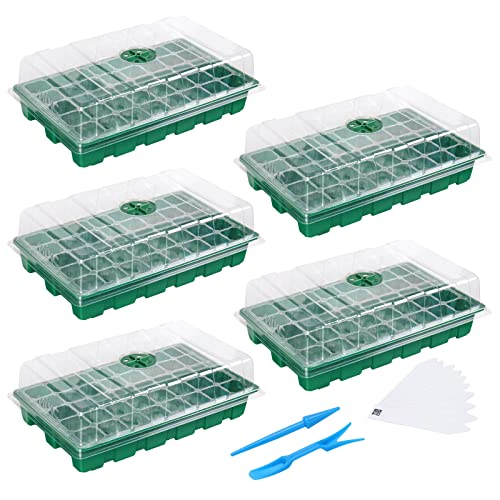
High quality transparent plastic cell trays of this seed grow kit make it easy to observe your plants without interrupting the process.
Choosing the Right Container
Editor’s Choice

Miracle-Gro Organic Outdoor Potting Mix – Plant Soil for Outdoor Contain…

Orceler 6 inch Terracotta & Clay Pots for Plants with Saucer, Medium Ter…

Fasmov 1-Gallon Plastic Watering Can with Comfortable Handle, Garden Wat…
5. Sunlight and Temperature Needs
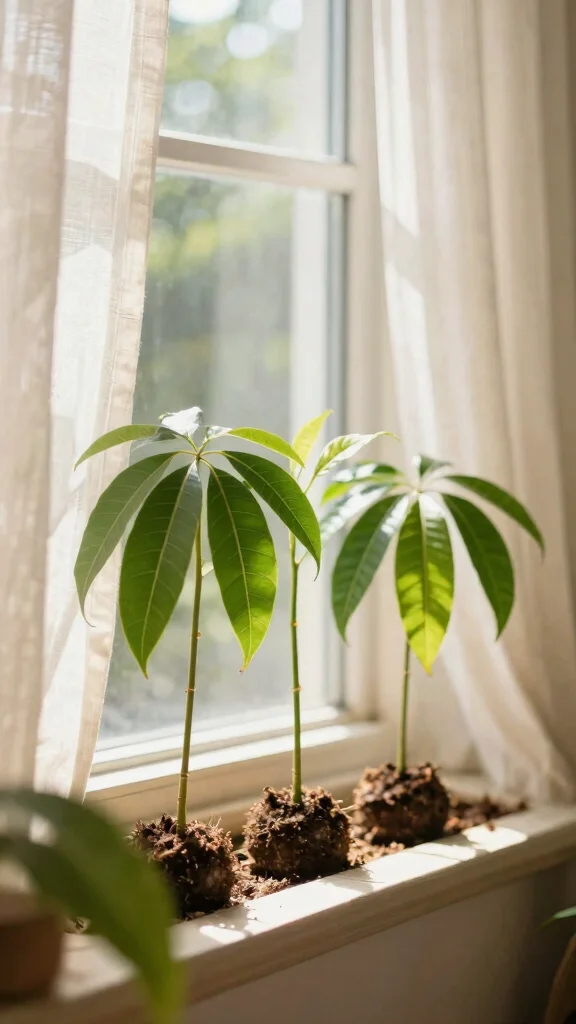
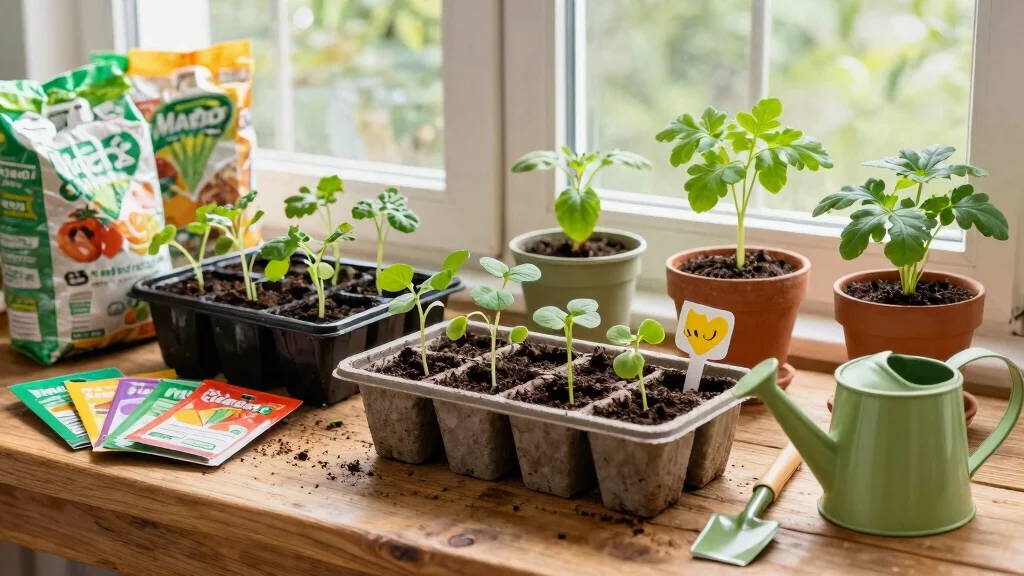
Mango trees thrive in sunlight, making it crucial to provide them with adequate light. Ideally, your seedlings should receive 6 to 8 hours of bright, indirect sunlight each day. Position them near a sunny window or use grow lights to create a tropical-like environment.
Temperature is also vital; mango seedlings prefer warmth, ideally between 70°F and 85°F. If your home is cooler, consider relocating them to a warmer area or using a space heater.
Keep these essentials in mind:
– Ensure seedlings get at least 6-8 hours of indirect sunlight.
– Check the temperature to maintain a cozy environment.
– Rotate pots occasionally for even sunlight exposure.
With the right light and warmth, your mango seedlings will grow robust and healthy, promising delicious fruits in the future!
Recommended Products
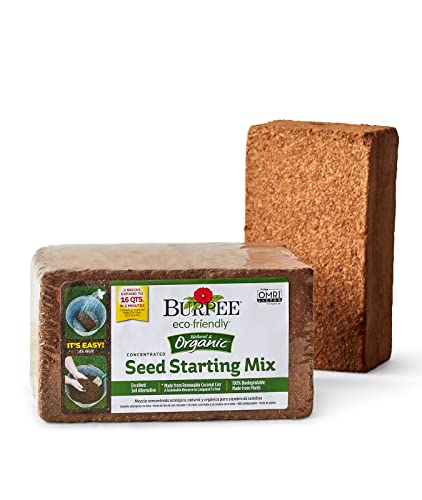
ORGANIC COCONUT COIR: Made from recycled coconut husks, coir is a light, sustainable growing medium that holds the perfect amount of moisture for starting seeds. 100% biodegradable soil alternative. Environmentally-friendly and a renewable alternative to peat moss. OMRI listed and certified organic.

This natural and organic seed starting soil mix is enhanced with peat moss, vermiculite and lime

CONTAINS: This organic Seed Stating soil mix is a rich blend of sphagnum peat moss & perlite with yucca extract and lime to ensure correct pH.
You might also like
Sunlight and Temperature Needs
Editor’s Choice

TempPro TP50 Digital Hygrometer Indoor Thermometer Room Thermometer and …

DREO Space Heater, 1500W Portable Electric Heaters for Indoor Use, PTC C…

GooingTop LED Grow Light,6000K Full Spectrum Clip Plant Growing Lamp wit…
6. Watering Wisely
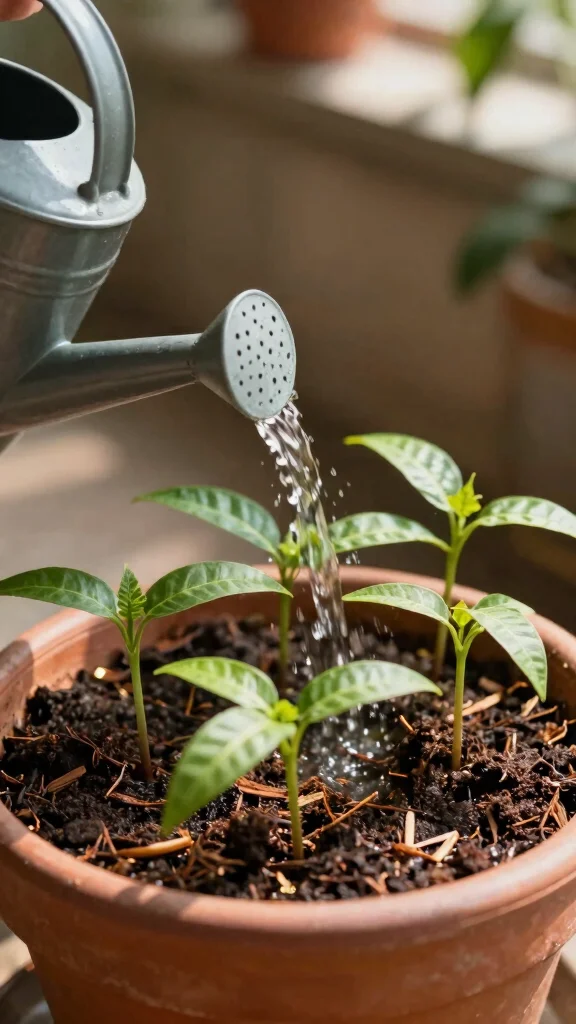
Watering your mango plants is crucial, but it’s all about finding the right balance. Overwatering can cause root rot, while underwatering may stunt growth. When the top inch of soil feels dry, it’s time to water!
Maintain consistently moist soil without making it soggy. Using a watering can or spray bottle allows you to control the water amount effectively. You might also consider adding mulch to retain moisture and prevent weeds from competing with your mango tree.
Tips for effective watering:
– Check the soil before watering to avoid over-saturation.
– Water until it drains from the bottom for thorough saturation.
– Use mulch to help retain moisture.
By watering wisely, your mango seedlings will grow strong and healthy, paving the way for future fruit!
Recommended Products


No CA, Grafted Super Julie Mango Tree: Compact and perfect for smaller spaces, with a tropical, sweet flavor. Best suited for Zones 10-11.

📹 Related Video: Right Time to water Mango trees
Watering Wisely
Editor’s Choice
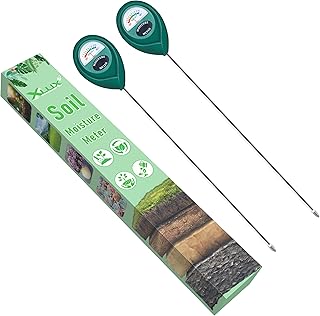
XLUX Long Probe Deep Use Soil Moisture Meter Sensor, Water Monitor Indic…
Back to the Roots 100% Organic Mulch, 58 Quart, Expanding Coconut Husk B…
Fasmov 1-Gallon Plastic Watering Can with Comfortable Handle, Garden Wat…
7. Fertilizing for Growth
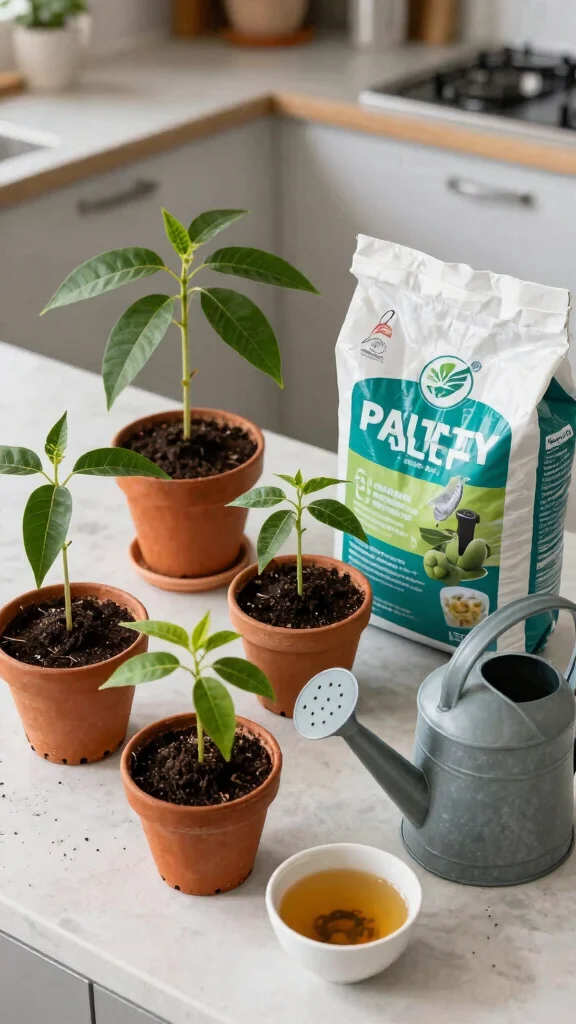
As your mango tree grows, it will benefit from additional nutrition to boost growth and fruit production. Start fertilizing when your plant reaches about 12 inches in height. A balanced, slow-release fertilizer or one designed for fruit trees is best—just follow the instructions carefully.
Generally, fertilizing every 4 to 6 weeks during the growing season is sufficient. You can also explore organic options like compost tea or fish emulsion for added nutrients. Avoid over-fertilizing, as this can harm your plant.
Fertilizing tips to remember:
– Use fertilizers specifically for fruit trees.
– Stick to recommended schedules to prevent overfeeding.
– Consider organic solutions for sustainable gardening.
With proper fertilization, your mango tree will flourish, preparing for a bountiful harvest!
Fun fact: when you’re growing mango from seed in small spaces, steady, slow-release fertilizer really fuels growth. Apply every 4 to 6 weeks during the growing season, following label directions, and watch the tree push out stronger branches.
Recommended Products


🌳 Mango Majesty Unveiled: Elevate your Mango Tree care with Gardenera's meticulously crafted Mango Tree Potting Mix, designed to nurture the growth and bounty of your mangoes.

Ready to Use - Seed starter mix eliminates the need for complex soil preparation, making it a time-saving and effortless option
Fertilizing for Growth
Editor’s Choice


Miracle-Gro Shake ‘N Feed All Purpose Plant Food – Outdoor and Indoor Pl…

Fish Emulsion Fertilizer – Liquid Salmon Supplement for Fast Nutrient …
8. Pruning for Shape and Health
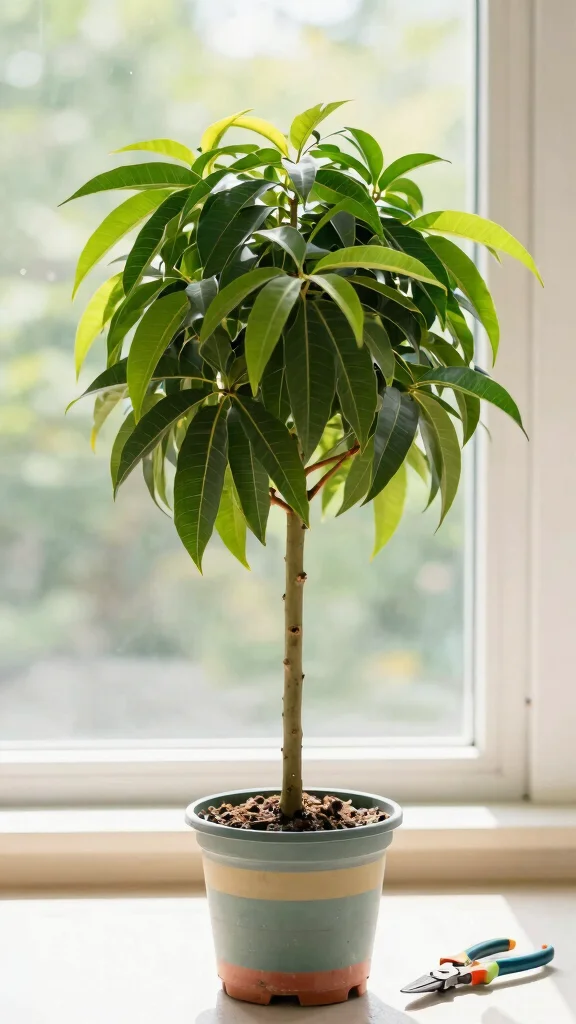
Pruning is vital for your mango tree’s health and shape, promoting better fruiting. When your tree reaches about 2 feet, trim the top to encourage branching, leading to a fuller, bushier plant. Remove any dead or yellowing leaves to keep it thriving.
Pruning also enhances air circulation, which helps reduce disease risk. Use sharp, clean pruning shears for precise cuts, and remember to prune during the growing season for optimal results.
Key pruning tips:
– Trim the top to encourage bushiness.
– Remove dead leaves to support health.
– Prune during the growing season for best growth.
Regular pruning will give your mango tree a beautiful shape and increase productivity, making your gardening efforts truly rewarding!
Recommended Products
Premium Fiberstone Craftsmanship for Lasting Beauty: Crafted from high-quality fiberstone, this planter combines the refined look of stone with a lighter, more practical feel. It resists cracking and fading over time, making it a dependable choice for both indoor and outdoor spaces

Large Size for Trees & Plants – Each planter measures 17.5 inches in diameter and 15.5 inches in height, providing ample space for medium to large indoor or outdoor plants, including small trees and shrubs.

✔【 Premium Stone-Textured Finish 】- Realistic concrete look with a soft matte surface adds a modern, upscale aesthetic to any setting. Crafted with a finely textured surface that mimics raw concrete, this planter features a soft matte finish that adds a modern, earthy elegance to your home or garden. The speckled stone look delivers visual depth and upscale charm while blending seamlessly with minimalist, Scandinavian, or rustic decor styles.
You Might Also Like
Pruning for Shape and Health
Editor’s Choice

SLARMOR Long Gardening-Gloves Women/Men-Thorn proof Rose Pruning Heavy D…

Fiskars Bypass Pruning Shears, 5/8″ Cut Capacity Gardening Scissors, Sel…
9. Be Patient and Enjoy the Journey
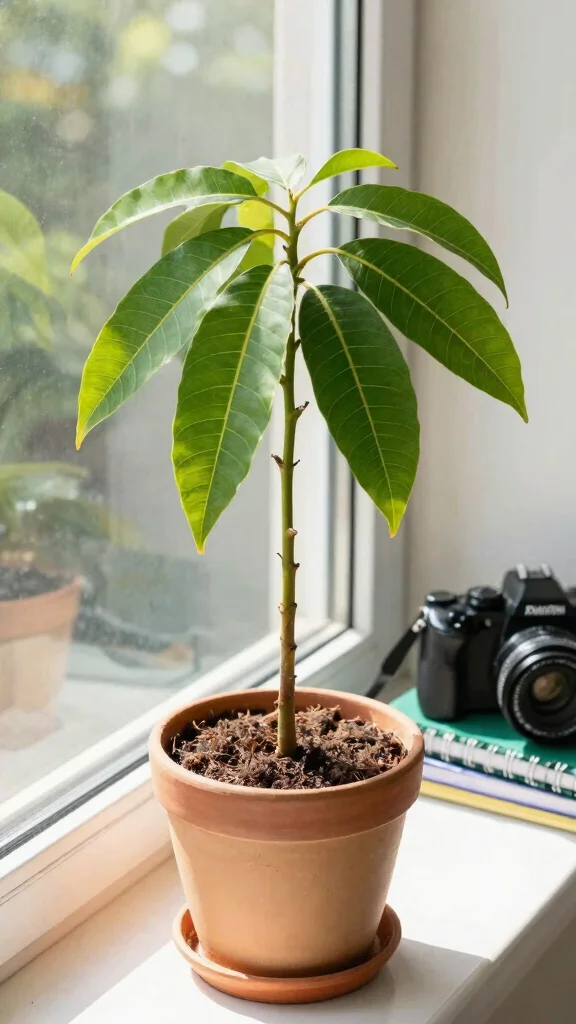
Growing mango from seed is a rewarding journey full of excitement! Remember, good things take time; your mango tree may take a few years to mature and bear fruit. Each growth stage is an opportunity to learn and appreciate the process.
Celebrate small milestones, such as seeing your first sprout or lush leaves. Document your journey with photos or a gardening journal to cherish these moments. Engaging with fellow gardeners can also enhance your experience, providing support and inspiration.
Keep in mind:
– Embrace the journey and learning process.
– Celebrate small victories as they come.
– Connect with other gardeners for motivation and tips.
As you nurture your mango tree, take a moment to enjoy the beauty of gardening in your urban space!
Be Patient and Enjoy the Journey
Editor’s Choice

GooingTop LED Grow Light,6000K Full Spectrum Clip Plant Growing Lamp wit…
3pcs Mango Tree Seeds for Planting – Fast-Growing Tropical Fruit Seeds…
Conclusion
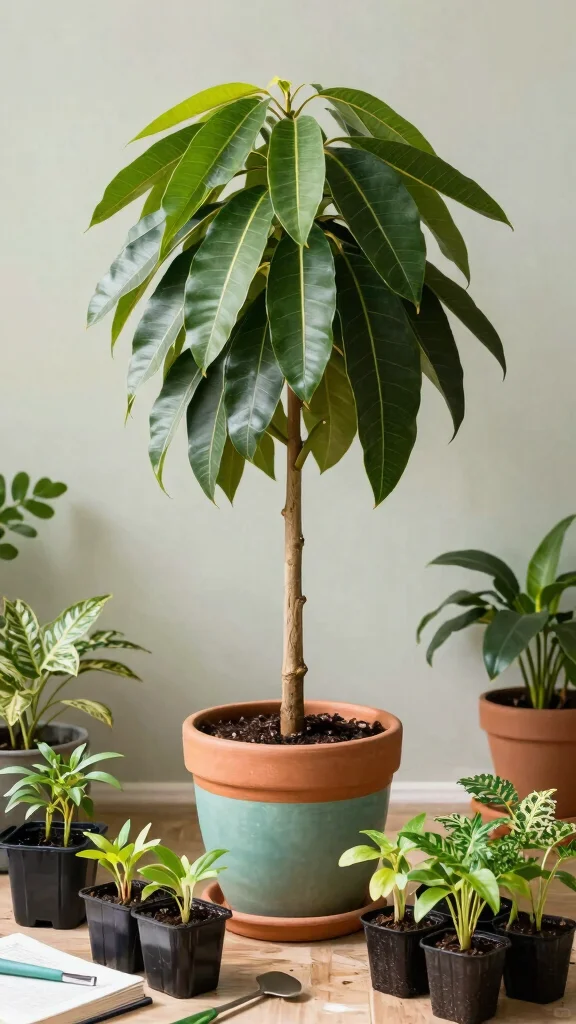
Growing mango from seed is not just about the fruit; it’s about the joy of nurturing life right in your own home. With a little patience and care, you can transform kitchen scraps into a beautiful tropical tree that will bring warmth and color to your urban space. So why not start your mango journey today? Engage with the gardening community, share your experiences, and revel in the rewarding adventure of home gardening!
Happy gardening!
Note: We aim to provide accurate product links, but some may occasionally expire or become unavailable. If this happens, please search directly on Amazon for the product or a suitable alternative.
This post contains Amazon affiliate links, meaning we may earn a small commission if you purchase through our links, at no extra cost to you.
Frequently Asked Questions
What is the easiest way to start growing mango from seed in a small space?
Start with a ripe mango, remove the seed, and clean it well. For mango seed germination, use the damp towel method: wrap the cleaned seed in a damp paper towel, place it in a plastic bag, and keep it warm until you see a shoot and root. Once sprouted, plant the seed in a well-draining potting mix in a small container. A container around 5-7 gallons is a good size for a young tree and fits on a balcony or kitchen corner in urban spaces. Use drainage holes and provide bright, indirect light. Water when the top inch of soil dries, and avoid soggy soil. When roots fill the pot, move it to a slightly larger container to continue growing. With growing mango from seed, patience pays off and you can enjoy a tropical tree in a compact space.
Other tips from tropical fruit gardening and home gardening tips contexts keep this project practical and fun.
How long does mango seed germination take and when will I see sprouts?
Mango seed germination usually takes about 2-6 weeks in warm temperatures (75-85°F / 24-29°C). Keep the seed or sprout in bright light and steady moisture. If you’re using the paper-towel method, you should see a tiny shoot first, followed by roots. After the seedling has a few true leaves, plant it in a small pot with a well-draining mix. In urban settings, this is a practical step in the journey of growing mango from seed. For container gardening mango, keep monitoring moisture and provide gentle air circulation. With patience, sprouts become a healthy young plant.
Remember to maintain consistent warmth and avoid letting the medium dry out completely, which is a common pitfall in home gardening tips.
Can I grow mango trees in containers and still get fruit, and what care is needed?
Yes, you can try dwarf or grafted varieties in containers and aim for fruiting, but it requires consistent light (6-8 hours daily), careful watering, and regular feeding. Choose a dwarf cultivar labeled for container growing and keep it in a sturdy pot (start around 15-20 gallons as it matures), pruning roots every year or two to control size. Use a high-quality, well-draining mix and water deeply when the top inch dries. Fertilize every 4-6 weeks during the growing season with a balanced fertilizer; move the plant outdoors in warm months for better fruit set. This approach aligns with container gardening mango and practical home gardening tips for urban spaces.
What sustainable gardening practices can I apply when growing mango from seed?
To keep things eco-friendly, compost kitchen scraps to feed your mango tree, and use rainwater when possible. Mulch the container to retain moisture and reduce watering frequency. Avoid chemical pesticides; opt for neem oil or insecticidal soap if pests appear. Regularly check for scale, mealybugs, or spider mites and treat early. Reuse containers and plan for sustainable cycles so your setup matches sustainable gardening practices. For soil, refresh with a light top layer of compost each season, and rotate feeding to keep the plant healthy in small spaces.
What are common problems and how to troubleshoot when growing mango from seed in small spaces?
Common issues include overwatering, poor drainage, insufficient light, and temperature swings. Troubleshoot by improving drainage with a chunky potting mix and ensuring drainage holes are clear; let the top layer dry a bit between waterings. Move the plant to a brighter, warmer spot or provide supplemental light if needed. Watch for pests like scale, mealybugs, and spider mites, and treat with neem oil or insecticidal soap. If leaves yellow or growth stalls, check soil moisture, light, and nutrients, and consider repotting to a larger container to give roots room to grow. With steady care, you can master growing mango from seed in small spaces.
Related Topics
growing mango from seed
mango seed germination
tropical fruit gardening
container gardening mango
urban gardening
sustainable gardening practices
small space gardening
beginner friendly
easy gardening tips
kitchen scraps
home gardening tips
indoor gardening