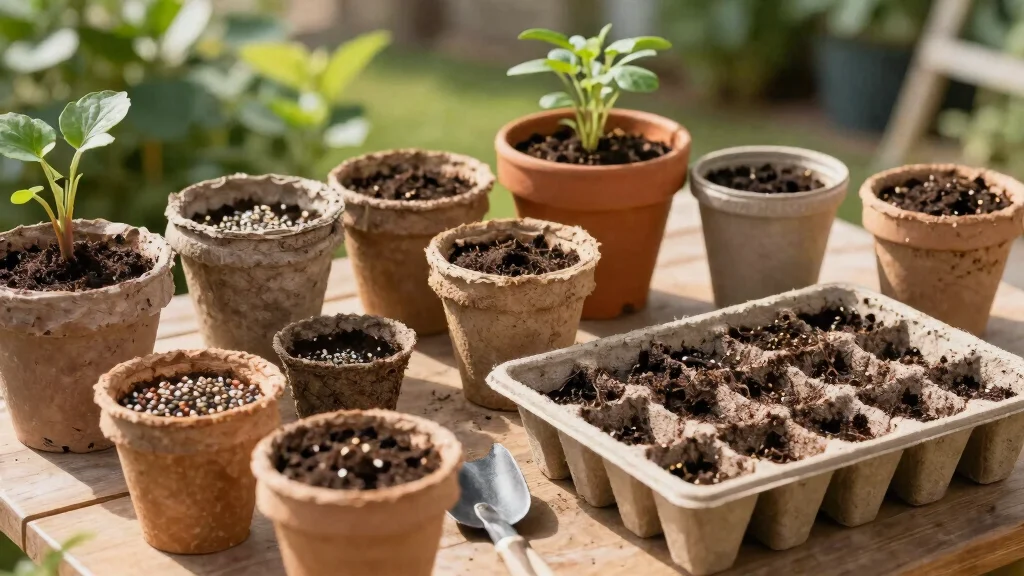
Sowing seeds can feel like a magical process. There’s something special about placing those tiny, dormant seeds in the soil and nurturing them into vibrant plants. As the gardening season approaches, many of us find ourselves eager to get our hands dirty. Whether you are a seasoned gardener or just starting, getting the best germination results is crucial. That’s why I created this post – to share essential tips that will set your garden up for success.
If you’re someone who dreams of lush veggies, beautiful flowers, or thriving herbs in your garden, this guide is for you. You’re likely invested in organic seed starting techniques and want to maximize your efforts in sowing seeds. With the right knowledge and a bit of technique, you can transform your garden into a flourishing space filled with life.
In this article, you’ll uncover ten straightforward tips to enhance your seed germination process. You’ll learn about choosing quality seeds, preparing your soil, and providing the right care for your seedlings. Each tip is designed to help you cultivate a thriving garden that you can be proud of. Let’s dig in!
Key Takeaways
– Selecting high-quality seeds is the first step towards successful germination. Look for seeds that are organic and suited to your local climate.
– Proper soil preparation is key. Make sure your soil is nutrient-rich and well-aerated to support the growth of your seeds.
– Timing your sowing is critical. Sow at the right time for your specific plants, considering local frost dates and seasonal changes.
– Consistent watering techniques play a big role. Keep the soil moist but not soggy to promote healthy seedling growth.
– Don’t forget about light and humidity. Providing adequate light and a humid environment will significantly improve your germination rates and seedling health.
1. Choose High-Quality Seeds
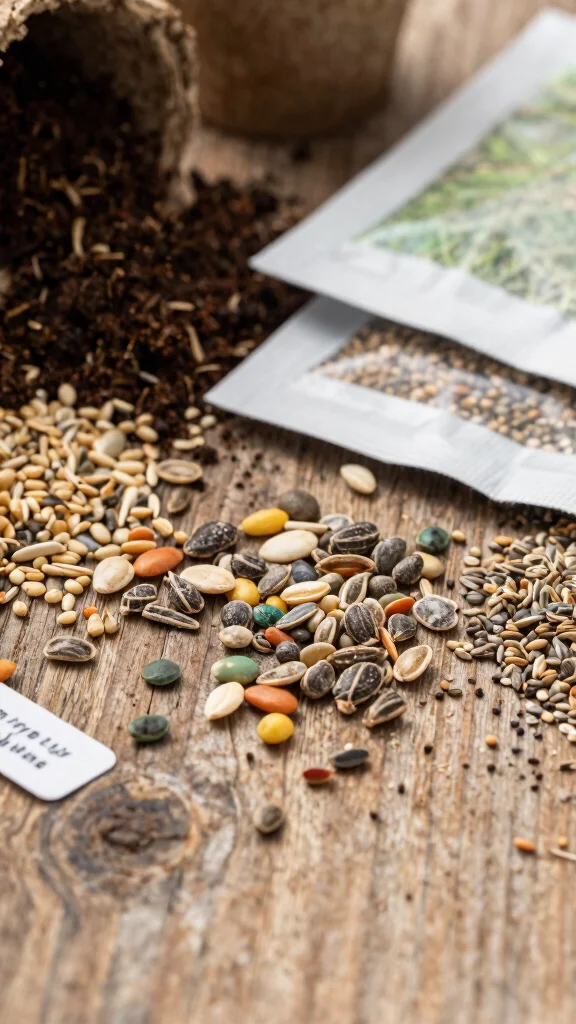
Starting your garden on the right foot means picking the best seeds available. Investing in high-quality seeds from trusted sources ensures a healthier garden free from harmful chemicals. Look for organic options that promise robust growth and strong germination rates, especially those that are well-suited to your local climate.
Always check the freshness of your seeds, as older ones may struggle to sprout. Research the best varieties for your area and make informed choices that align with your gardening goals.
Key tips to consider:
– Choose seeds with ‘organic’ or ‘non-GMO’ labels.
– Read customer reviews to find reliable seed sellers.
– Store seeds in a cool, dry location to keep them viable.
With high-quality seeds, you’re setting the stage for a thriving garden filled with life and growth!
Choose High-Quality Seeds
Editor’s Choice

USDA Zone 8 Heirloom Seed Bank, 30,000+ Non-GMO 32 Varieties of Seeds fo…

2. Prepare Your Soil
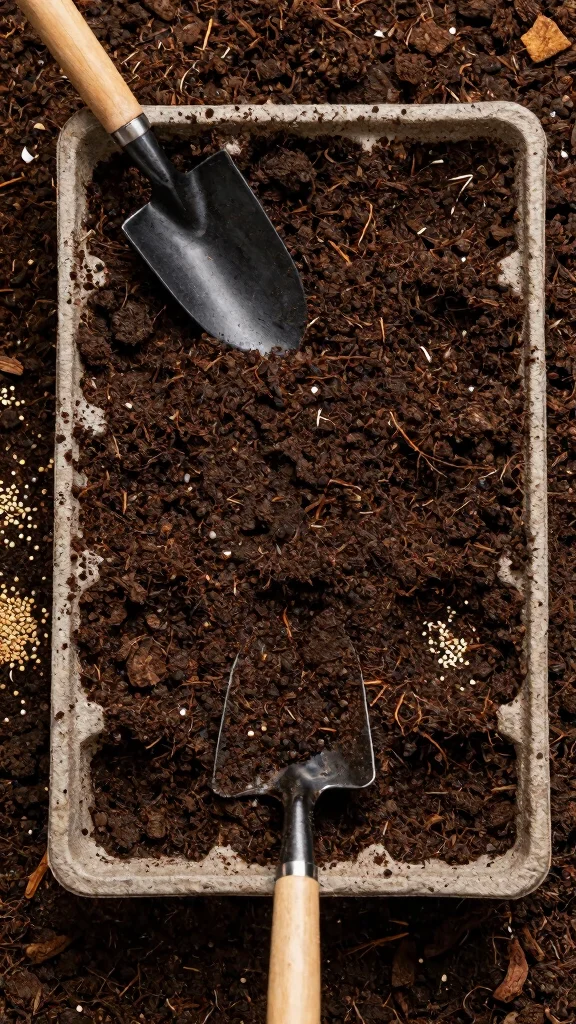
Preparing your soil is essential for successful seed germination. Make sure your soil is nutrient-rich and well-aerated. Start by testing your soil to find out its pH and nutrient content, ensuring it aligns with what your seeds require.
Mix in organic compost or aged manure to boost nutrients and improve soil structure. This not only supports better drainage but also fosters healthy root development, which is crucial for robust seedlings.
Important steps to follow:
– Clear away weeds and debris before planting.
– Loosen soil using a garden fork or tiller.
– Water thoroughly after preparation to create a moist environment.
With well-prepared soil, you’re paving the way for a successful and bountiful garden.
Fun fact: For sowing seeds, a simple soil test reveals pH and nutrients you actually need. Mix in organic compost to boost nutrients and improve structure, giving roots room to grow and better drainage for robust seedlings.
Prepare Your Soil
Editor’s Choice

Rapitest Soil Test Kit for Gardens, Vegetables, Flowers and Lawns. USA d…

Michigan Peat Compost and Manure Blend, Garden Magic Mix with Odor-Free …
3. Sow at the Right Time

Timing your seed sowing is crucial for maximizing germination rates. Each type of seed has its ideal planting time, often indicated on the seed packet. Planting at the right moment can significantly increase your chances of success.
Pay attention to local weather conditions, as they impact soil temperature and moisture. For warm-season crops, ensure that soil temperatures are around 70°F (21°C) for optimal growth.
Helpful strategies to implement:
– Create a planting calendar to keep track of sowing times.
– Use cloches or row covers to protect seedlings from cold weather.
– Consider succession planting for a steady harvest throughout the season.
By timing your sowing correctly, you set the foundation for a fruitful garden harvest!
📹 Related Video: Planting with the Seasons: A Month-by-Month Guide to Vegetable Sowing Dates
Sow at the Right Time
Editor’s Choice

4-in-1 Soil Moisture Meter Digital PH Meter/Soil Moisture/Plant Temperat…
4. Follow Planting Depth Guidelines
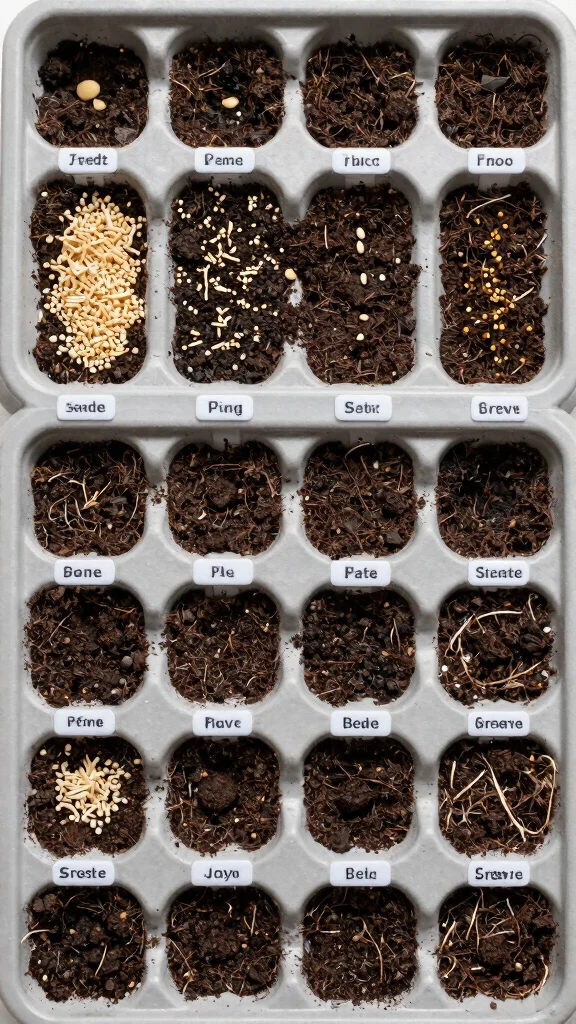
Each seed has specific requirements for planting depth, which can greatly influence its chances of germination. Generally, seeds should be planted at a depth of two to three times their size. Smaller seeds like lettuce need to be sown shallowly, while larger seeds like beans can go deeper.
Make sure to follow the recommended depths for your seeds. Planting too deep may hinder their growth, while planting too shallow could lead to drying out.
Steps to ensure proper planting:
– Use a seed dibber or your finger for accurate depth.
– Label rows to avoid confusion later.
– Cover seeds gently and water lightly to keep them in place.
Adhering to these guidelines creates an ideal environment for germination, increasing the likelihood of healthy seedlings.
Follow Planting Depth Guidelines
Editor’s Choice

6″ / 150 MM DEPTH GAUGE METRIC & IMPERIAL STANDARDS – ENGINEERING

Open Seed Vault |15,000 Heirloom Seeds | 32 Seed Types | Survival Seeds …
5. Provide Proper Watering Techniques

Watering correctly is vital for successful seed germination. The key is to keep the soil consistently moist without drowning it. Seeds require moisture to swell and break dormancy, so getting the watering right is essential.
Initially, use a gentle watering can or spray to avoid displacing seeds. Once seedlings appear, consider switching to a drip irrigation system for even moisture without disturbing the soil.
Effective watering practices:
– Check soil moisture with a meter before watering.
– Water in the morning to minimize evaporation.
– Allow the top layer to dry slightly to promote root growth.
Mastering watering techniques will ensure your seedlings thrive and grow strong toward the sunlight.
You might also like


Provide Proper Watering Techniques
Editor’s Choice

MIXC 230FT Quick-Connect Drip Irrigation System Kit, Automatic Garden Wa…

XLUX Long Probe Deep Use Soil Moisture Meter, Water Monitor Indicator Se…

Chapin 47998 Watering Can, 2 Gallon, Indoor and Outdoor Plants, Lawn, Ga…
6. Use a Heat Mat for Warmth

Many seeds thrive in warm conditions for optimal germination. A heat mat provides the consistent warmth needed, especially for heat-loving varieties like tomatoes and peppers. These mats maintain temperatures between 70°F to 80°F (21°C to 27°C), promoting quicker germination.
Place your seed trays on the heat mat evenly to avoid hot spots. This mimics the natural warmth of the earth, leading to faster and more uniform sprouting.
Tips for using heat mats:
– Monitor temperatures to prevent overheating.
– Turn off the mat once seedlings emerge to avoid leggy growth.
– Ensure trays are ventilated to prevent mold.
Utilizing heat mats can accelerate germination and support the development of healthy seedlings.
Did you know? Seeds germinate up to 2x faster at 75–80°F; a heat mat mimics warm soil and helps tomatoes and peppers sprout quicker and more evenly.
Use a Heat Mat for Warmth
Editor’s Choice
4-in-1 Soil Moisture Meter Digital PH Meter/Soil Moisture/Plant Temperat…

VIVOSUN Durable Waterproof Seedling Heat Mat 10″ x 20.75″ UL & MET-Certi…
7. Create a Humid Environment
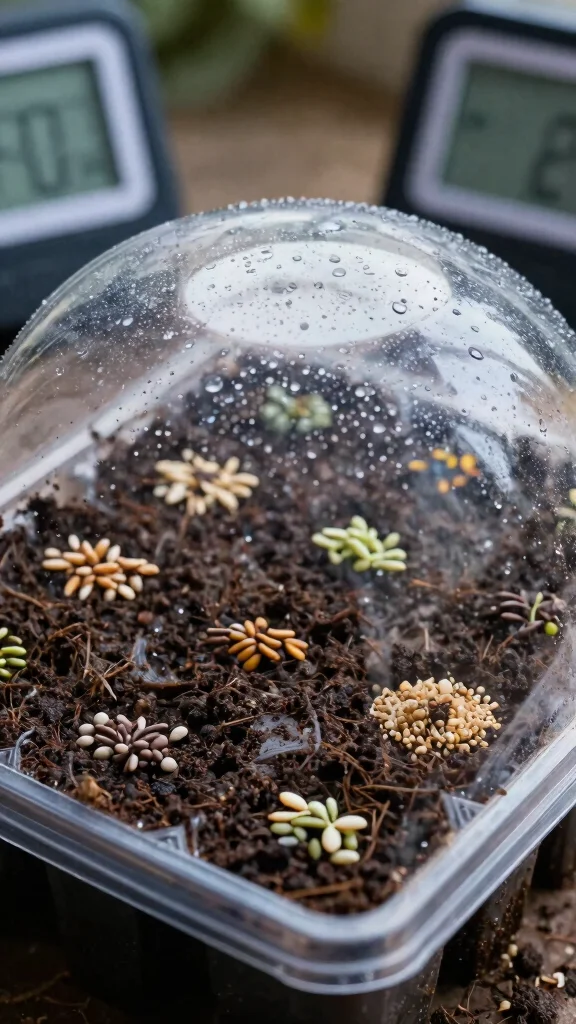
Humidity plays a significant role in seed germination. Creating a humid atmosphere will help seeds absorb moisture and encourage sprouting. Covering seed trays with plastic domes or humidity tents can help maintain these moisture levels.
Once seedlings start to emerge, ventilate the trays to prevent mold and disease. Gradually remove the covers to help acclimate young plants to their new environment.
Ways to enhance humidity:
– Lightly mist trays to boost moisture without oversaturating.
– Keep an eye on humidity levels and adjust as necessary.
– Use a fan to circulate air around growing seedlings.
Maintaining optimal humidity will set the stage for strong germination and growth.
Create a Humid Environment
Editor’s Choice
SUPER+ 2 Pack Continuous Spray Bottles – Ultra Fine Mist Sprayer | Water…

Jiffy Plant Germination Dome – Clear Humidity Cover, Lightweight – 21 x …

TempPro TP50 Digital Hygrometer Indoor Thermometer Room Thermometer and …
8. Thin Seedlings for Growth
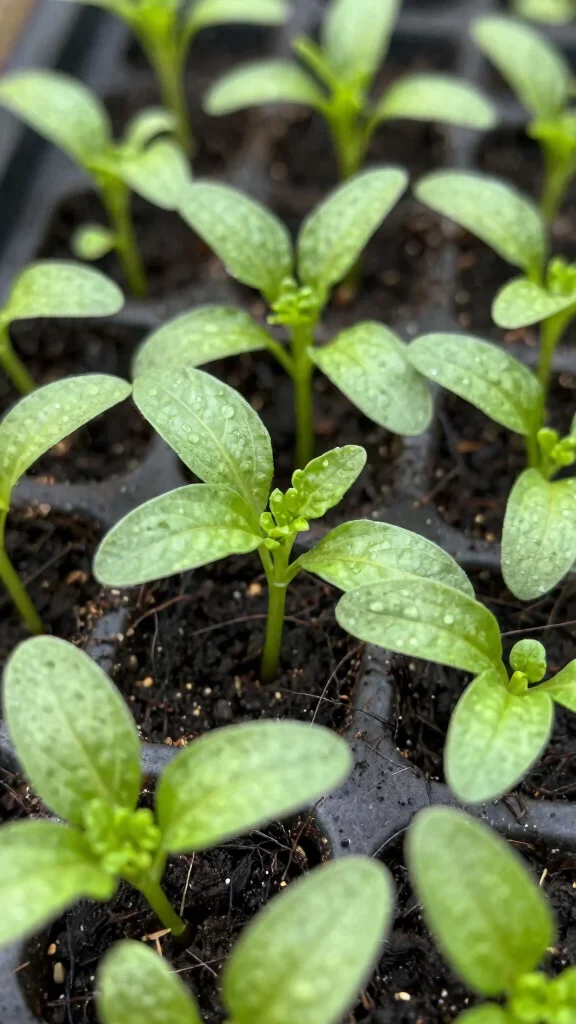
Once your seeds have germinated, it’s important to thin out the seedlings. Thinning removes weaker plants, allowing stronger ones to thrive with adequate space and nutrients. Overcrowding can lead to stunted growth and increased disease risk.
Wait until seedlings develop true leaves before thinning. Use scissors to snip weaker seedlings at the base, minimizing root disturbance to the remaining plants.
Effective thinning techniques:
– Use sharp scissors for clean cuts.
– Space seedlings properly based on plant type.
– Compost thinned seedlings to recycle nutrients.
Thinning may seem harsh, but it’s a vital step in nurturing a flourishing garden.
You Might Also Like
How To Choose the Right Seeds for Sowing
Choosing the right seeds is crucial for your garden’s success. The seeds you select will determine the quality and yield of your plants. Follow these practical tips to pick the best seeds for your needs.
1. Consider Seed Quality
Always opt for high-quality seeds from reputable sources. Look for seeds that are organic and non-GMO. Checking the germination rate on seed packets can also guide you. A germination rate of 80% or higher is ideal for successful planting.
2. Match Seeds to Your Climate
Not all plants thrive in every climate. Understand your growing zone and choose seeds that are suited to it. Research the specific temperature ranges and growing seasons for different types of seeds. A good match ensures better growth and yields.
3. Select the Right Variety
Different varieties of the same plant can have unique characteristics. Some may be more disease-resistant, while others might yield more fruit. Choose varieties that fit your gardening style, whether you want heirloom, hybrid, or open-pollinated seeds. This ensures that you enjoy the flavors and benefits you desire.
4. Check for Disease Resistance
Look for seeds that are specifically bred for disease resistance. This is especially important if you have had issues with specific pests or diseases in the past. Seeds with resistance traits can save you time and effort in pest management, ensuring healthier plants overall.
5. Assess Seed Size and Planting Needs
The size of the seeds can affect how you handle them during planting. Smaller seeds may require finer soil preparation, while larger seeds can be sown deeper. Understanding the specific planting requirements can help you set up the right conditions for germination.
6. Read Reviews and Recommendations
Just like any product, reviews can provide valuable insights. Look for feedback about specific seeds from other gardeners. Online gardening forums and local gardening groups can be excellent resources for finding trusted seed suppliers and recommendations.
Pro Tip: Always save a few seeds from your best plants each year. This practice not only saves money but also helps you cultivate seeds that perform well in your specific environment over time.
By following these steps, you’ll be well-equipped to choose the best seeds for sowing in your garden. Remember to consider quality, climate, variety, disease resistance, seed size, and community feedback. Happy gardening!
Thin Seedlings for Growth
Editor’s Choice

Fiskars 6″ Pruning Scissors for Flower Stems, Herbs, Buds, and Small Pla…
9. Provide Adequate Light

Light is essential for healthy seedling development. After germination, seedlings require ample bright light for photosynthesis and strong growth. Natural sunlight is ideal, but consider using grow lights if sunlight is limited.
Ensure seedlings get 12 to 16 hours of light each day, and rotate trays regularly for even growth. Watch for signs of weak growth, indicating they need more light.
Key lighting strategies:
– Use full-spectrum grow lights for effective results.
– Position lights 2-4 inches above seedlings to prevent stretching.
– Adjust light duration based on growth stages.
Providing sufficient light will help your seedlings develop into healthy plants ready for your garden.
Provide Adequate Light
Editor’s Choice

GooingTop LED Grow Light,6000K Full Spectrum Clip Plant Growing Lamp wit…

FOXGARDEN Grow Light Stand, Advanced LED Plant Growth Lighting with 4/8/…

VIVOSUN 2-Pack Clamp Lamp Light with Detachable 5.5 Inch Aluminum Reflec…
10. Harden Off Seedlings Before Planting
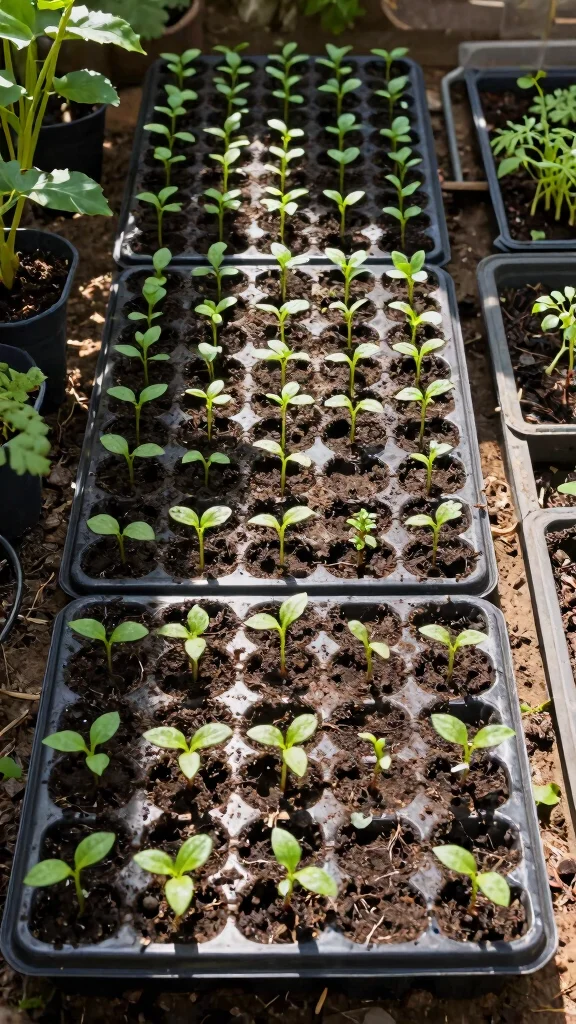
Before transplanting your seedlings outdoors, it’s crucial to harden them off. This process gradually acclimates seedlings to outdoor conditions, reducing shock and stress when they move into the garden.
Start by placing seedlings in a sheltered spot outside for a few hours each day, gradually increasing their exposure to sunlight and wind over a week or two. This gradual transition prepares them for their new environment.
Crucial steps for hardening off:
– Watch for signs of sunburn or wilting and adjust exposure time.
– Use protective coverings during extreme weather.
– Water seedlings before and after the hardening process to keep them hydrated.
Hardened-off seedlings will adapt better and flourish in their new garden home.
Fun fact: hardening off seedlings for 7–14 days can slash transplant shock by up to 70%. Start with a couple of hours outside and build up each day—the habit that makes sowing seeds more successful.
Harden Off Seedlings Before Planting
Editor’s Choice
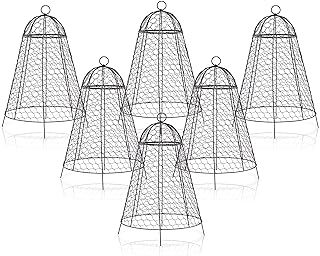
boldworks Garden Cloches for Plants Chicken Wire Cages to Protect from A…

Burpee SuperSeed Seed Starting Tray | 36 Cell Reusable Seed Starter Tray…
Conclusion
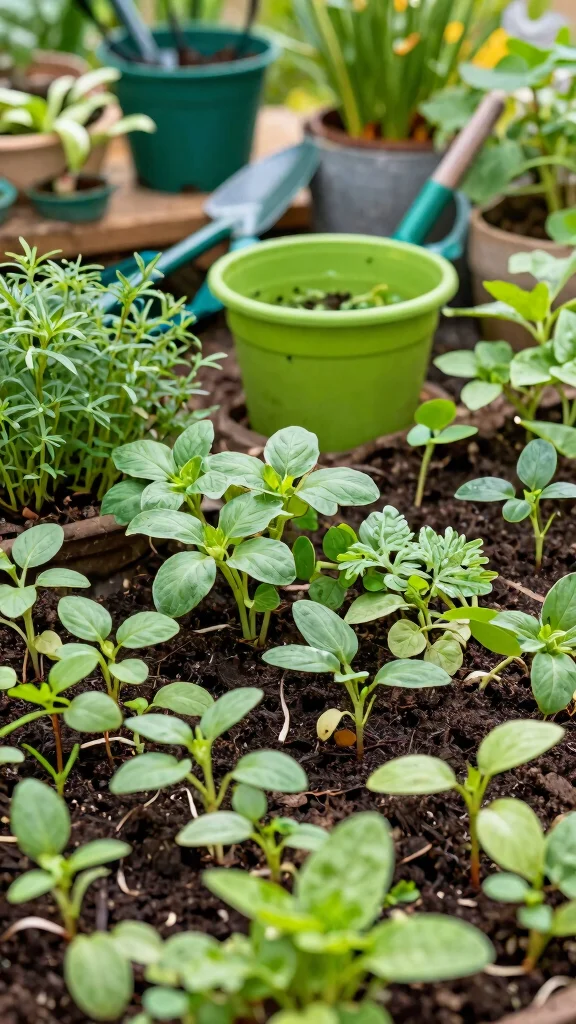
By applying these ten sowing seeds tips, you’re not just planting seeds; you’re cultivating a beautiful garden filled with life and color. Each step, from choosing quality seeds to ensuring proper care for your seedlings, plays a crucial role in the overall success of your garden.
Remember, gardening requires patience and attention, but the rewards are plentiful. So grab your tools and get started on your organic seed starting journey—your hands-on adventure awaits!
Note: We aim to provide accurate product links, but some may occasionally expire or become unavailable. If this happens, please search directly on Amazon for the product or a suitable alternative.
This post contains Amazon affiliate links, meaning we may earn a small commission if you purchase through our links, at no extra cost to you.
Frequently Asked Questions
What are the best sowing seeds techniques to maximize germination in my garden?
To maximize germination when sowing seeds, start with clean, high-quality seeds and a warm, consistent environment. Focus on seed germination basics: use a light, well-draining seed starting mix, and sow at the recommended depth. Keep the soil evenly moist but not waterlogged, and maintain the right temperature for your crop (for many vegetables, around 65-75°F). Provide light as required—some seeds need darkness, others need bright light. Once sprouts appear, move them to bright light and avoid overwatering. Thin crowded seedlings so each plant has room to grow. These steps align with practical sowing seeds and give you higher germination rates.
How should I prepare the soil before sowing seeds for organic seed starting?
Start with clean, organic soil. Remove weeds, loosen the bed, and test the soil pH to tailor amendments. Enrich with compost or well-rotted manure to improve structure, drainage, and nutrient availability. For tiny seeds, use a sterile seed starting mix; for larger crops, a well-draining garden soil works fine. Avoid synthetic fertilizers; focus on soil preparation that supports soil biology. Water the bed before sowing so the soil settles, then label rows. Good garden tips and soil preparation set the stage for better seed germination.
Which planting techniques help seeds germinate faster and grow stronger seedlings?
Try placing seeds at the correct depth—generally shallow for small seeds and a bit deeper for larger ones—then space per species. Use a moisture-friendly setup like a drip or bottom-watering system to keep moisture steady. Cover with a light humidity dome if needed and remove it gradually as soon as germination starts. Use clean containers with drainage and a quality seed starting mix. After germination, provide bright, indirect light and steady moisture. These planting techniques support healthy seedling care and seed germination.
How can I care for seedlings after sowing to ensure healthy growth?
Water consistently, not soggy. Give plenty of light—aim for bright, indirect sun or strong grow lights—and rotate trays to keep growth even. Feed with a diluted organic fertilizer once true leaves appear. Thin crowded seedlings or transplant to larger pots to give roots space. Harden off outdoors gradually before planting in the garden. Keep pests and diseases in check with clean tools and good air circulation. This is key seedling care and garden tips for organic gardeners.
What common mistakes should I avoid when sowing seeds in an organic garden?
Avoid sowing seeds too deep or too shallow, and don’t overcrowd them—crowding leads to poor germination. Keep soils evenly moist, not soggy, and avoid drastic temperature swings. Use fresh, viable seeds and label varieties to prevent mix-ups. Don’t skip hardening off when you move seedlings outdoors. Finally, skip chemical fertilizers in favor of organic amendments, and maintain clean tools and trays to prevent disease. By steering clear of these sowing seeds mistakes and following good garden tips, you boost success.
Related Topics
sowing seeds
seed germination
organic gardening
planting techniques
seedling care
soil preparation
beginner friendly
garden tips
easy gardening
seasonal planting
natural fertilizers
germination success