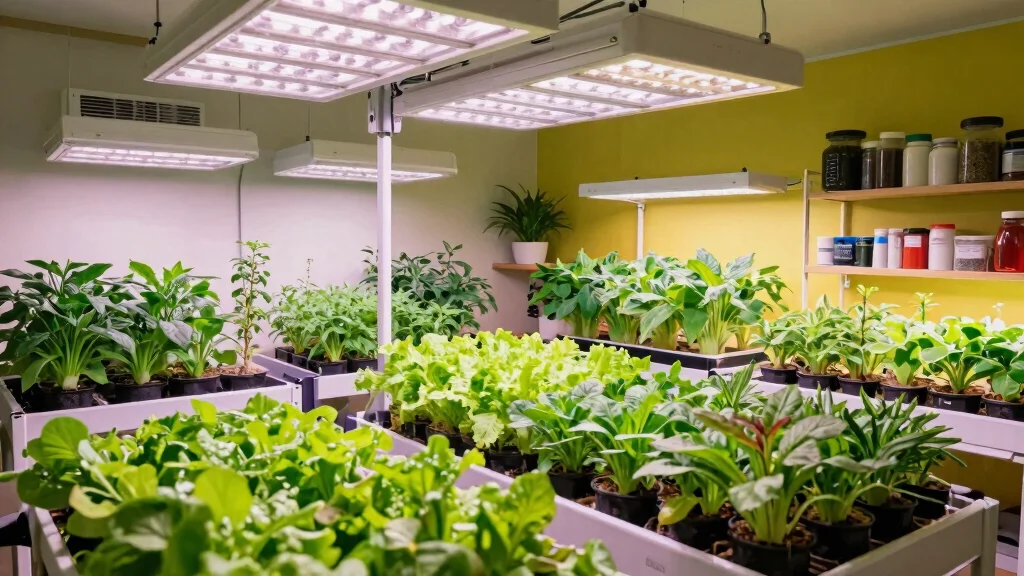
Creating a successful indoor garden can feel like a daunting task, especially if you’re working with a basement space. I put this together because I know how much potential your basement has for an amazing grow room setup. It can be your year-round ticket to fresh herbs, vibrant vegetables, and beautiful blooms, regardless of the season outside. With the right setup, you can transform your basement into a thriving indoor garden that serves all your needs.
If you’re passionate about indoor gardening or looking to start your hydroponics journey, this post is for you. Whether you’re a seasoned gardener or a curious beginner, you’ll appreciate the tips and ideas tailored for maximizing your basement space. We’ll explore various basement grow room setups, from vertical gardens to climate-controlled environments. You’ll discover practical setups that are efficient, easy to maintain, and can lead you to bountiful harvests.
Here you’ll find eight creative basement grow room setup ideas. These ideas will guide you through the essentials of creating a productive indoor garden. You’ll learn about hydroponic systems, grow lights, and ventilation tips that enhance your growing experience. Each idea focuses on making the most of your space and time, so you can enjoy gardening without the seasonal hurdles.
Key Takeaways
– Maximize Vertical Space: Vertical hydroponic gardens can help you utilize your basement’s height, allowing for more plants in a smaller footprint.
– Consider Grow Tents: Using grow tents creates a controlled environment, making it easier to manage temperature and humidity for your plants.
– Explore Modular Systems: Modular hydroponic systems are flexible and can be adjusted as your gardening needs change, making them perfect for beginners and advanced growers alike.
– Invest in Smart Solutions: Smart grow systems with automation features can take the guesswork out of gardening, helping you track light, water, and nutrient levels effortlessly.
– Optimize Ventilation: Proper ventilation solutions ensure the air in your basement grow room stays fresh and helps prevent mold and pests, supporting healthier plants.
Recommended Products

【Smart Top to Bottom Watering & Nutrient Circulation】The timed pump delivers water from the top down through all 14 layers, ensuring every plant receives consistent moisture and nutrients. Unlike drip systems that clog, this flow design minimizes waste and prevents dry spots—so your tower garden thrives with less effort.

Efficient Growing: This hydroponic tower features a 9-tier vertical design with 45 plant pods. It maximizes growing efficiency in compact spaces like kitchens and balconies while supporting a greener lifestyle

Hydroponic Growing System:OvyNewzly's hydroponic tower uses advanced hydroponic technology instead of traditional soil-based growing.Its top-down, timed automatic water cycling system maximizes water efficiency and minimizes waste.The design also boosts oxygen flow to the root zone, supporting healthier growth and higher yields while remaining incredibly easy to use.
1. Vertical Hydroponic Gardens

Transform your cramped basement into a thriving garden with vertical hydroponic systems. These innovative setups allow you to grow plants upwards, maximizing every square inch of space. Picture vibrant greens and colorful flowers cascading from neatly stacked containers, creating a stunning display while boosting your crop yield. You can choose from wall-mounted racks or freestanding towers, each offering unique benefits and visual appeal.
Start by selecting a design that fits your space and style. Ensure you use quality LED grow lights for optimal plant growth and regularly adjust water levels to keep everything thriving. Opt for easy-to-grow plants like herbs or strawberries that flourish in vertical systems.
Key advantages of vertical hydroponic gardens:
– Save space with upward growth.
– Enhance visual interest with varying heights.
– Ensure each plant gets proper light exposure.
With a well-planned vertical garden, you’ll have a productive and beautiful centerpiece in your basement grow room.
Recommended Products

The humidity controller ranges from 5 to 99.99% RH

Different sockets, different functions. Outlet 1 is the temperature controller, outlet 2 is the humidity controller, and outlet 3 is the timer. 3-in-1 use, you can use with this controller. Control a space heater, a humidifier, and a UVA/UVB lighting.
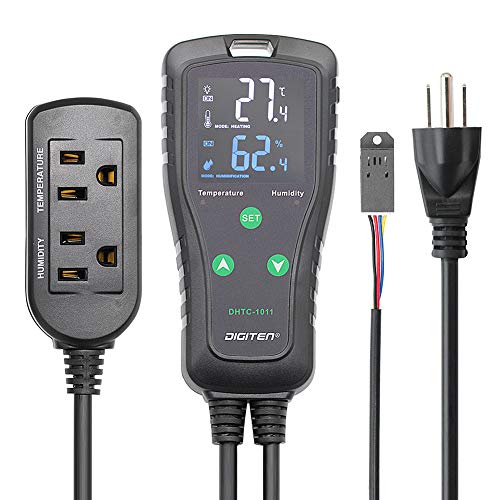
Wide Control Range: Temperature and humidity 2 in 1 sensor; temperature control range is -40℉~248℉, humidity control range is 1%RH~100%RH. It starts cooling or heating, humidifying or dehumidifying according to configured parameters, which helps to keep a desired temperature and humidity anytime.
Vertical Hydroponic Gardens
Editor’s Choice

VEVOR Hydroponic Tower, 50 Pods 10 Tiers Hydroponics Growing System Kit …


Liquid Plant Food for use in AeroGarden, IDOO and Hydroponic Growing Sys…

GooingTop LED Grow Light,6000K Full Spectrum Clip Plant Growing Lamp wit…
2. Grow Tent Environments

Create the ideal growing conditions in your basement with a grow tent setup. These portable tents are designed to maintain heat and humidity levels, ensuring your plants thrive in a controlled environment. The reflective interior maximizes light efficiency, allowing your plants to absorb all the energy they need for outstanding growth.
Choose a tent that fits your plant quantity and size. Incorporate fans to promote air circulation and temperature control. Adjustable LED lights can also enhance growth, making your space even more adaptable.
Grow tent highlights include:
– Easy setup and disassembly for convenience.
– Flexibility for various plant sizes and growth stages.
– Superior management of light and climate conditions.
With a grow tent, you’ll elevate your basement into a professional-grade gardening space that’s easy to manage.
Did you know that a properly sealed grow tent with reflective interior can boost light efficiency by up to 30%? In a basement grow room setup, portable tents help maintain heat and humidity, while fans promote air circulation for steady, productive growth.
Recommended Products

NOTE: The product stand needs to be pressed down by the flower pot to be stable. Not wireless style. 2 Installation Methods: Specially designed plant light for indoor plants, which can be inserted in the soil or stand for lighting.Unique and easy to assemble and disassemble.

High-Efficiency Full Spectrum Lighting:Foldable strips features 148 premium chips (120 White + 20 Red + 8 Blue). The blue light enhances photosynthesis for lush foliage, while the red light promotes blooming, fruiting, and seed germination. The white light provides a balanced, sun-mimicking full spectrum that is ideal for all growth stages of various plants.

【Upgraded Full Spectrum】Eqqiuped with 5 Red+37 Sunlight White LEDs in each bar, which is similar to the sunlight at noon to meet the needs of various plant growth processes. 6000K LED grow light with high efficiency and high PPFD, providing flicker-free and soft light.
Grow Tent Environments
Editor’s Choice
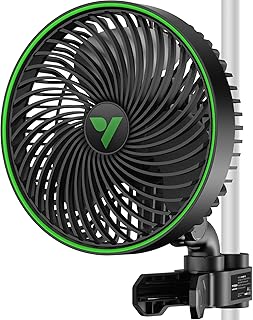
VIVOSUN AeroWave E6 Gen2, Grow Tent Clip Fan 6”, EC Motor, Smart Contr…
3. Modular Hydroponic Systems

Explore the versatility of modular hydroponic systems for your basement grow room. These adaptable setups can be tailored and expanded based on your gardening ambitions, whether starting with a few herbs or a full-scale vegetable garden. Their design not only conserves space but also simplifies maintenance by allowing you to focus on individual units.
Keep an eye on the pH and nutrient levels for each module to ensure optimal plant health. Using a central water reservoir can streamline your watering routine. Mixing different plant types can also enhance your harvest.
Key features of modular hydroponic systems:
– Custom layouts for evolving gardening needs.
– Simplified maintenance with focused care.
– Efficient water usage to reduce waste.
By utilizing modular systems, you can build a dynamic indoor garden that adapts alongside your gardening journey, providing fresh produce year-round.
Recommended Products

Peristaltic pump designed to distribute exact amounts of liquids in milliliters in applications where pH control is vital.

Precise Dosing for Garden & Farm Irrigation: Delivers accurate 0.4–4% (1:250–1:25) proportions to keep nutrients consistent across drip systems, greenhouse setups, orchards, and lawn irrigation. Operates at 0.09–11 GPM with standard 3/4" NPT connections.

【Rust‑Proof Engineering Plastic for Long Life】Crafted from durable engineering plastic, this water powered fertilizer injector resists rust and corrosion. The sturdy build ensures reliable, long‑term performance in greenhouses, gardens, and agricultural drip systems.
📹 Related Video: How to Make a Modular 3D Printed Hydroponic System
Modular Hydroponic Systems
Editor’s Choice

pH Meter for Hydroponics PPM EC Meter for Plant Nutrients Simultaneous M…
VEVOR Hydroponic Tower, 50 Pods 10 Tiers Hydroponics Growing System Kit …

APEC Water Systems Tank-4 4 Gallon Residential Pre-Pressurized Reverse O…
4. Smart Grow Systems

Elevate your gardening game with smart grow systems in your basement. These tech-savvy setups allow you to monitor and manage your plants via smartphone or tablet, making gardening more convenient than ever. Adjust light schedules, track humidity levels, and receive alerts when it’s time to water, all from the palm of your hand.
Select a system that integrates seamlessly with your existing setup. Ensure you have a reliable Wi-Fi connection in the basement for uninterrupted monitoring. Regular software updates can keep your system running smoothly.
Benefits of smart grow systems include:
– Remote monitoring for peace of mind.
– Automation for lights and watering schedules.
– Data tracking to assess plant health over time.
With smart systems, indoor gardening becomes easier and more efficient, giving you more time to enjoy your thriving plants.
Fun fact: Smart grow systems can cut daily oversight by up to 60% in a basement grow room setup, letting you water, lights, and humidity from your smartphone. Make sure your Wi-Fi is strong and choose a system that fits your hydroponic setup.
Recommended Products
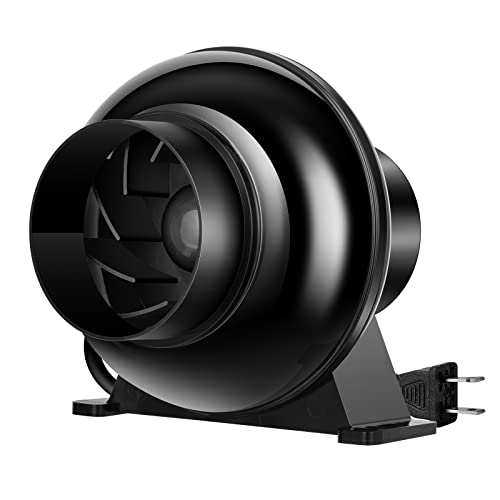
Powerful Airflow: This powerful blower with a fan speed of 2500 RPM can create an airflow of 195 CFM; It works efficiently in ventilating grow tents, transferring heat or cool rooms, circulating fresh air, as well as controlling proper humidity, temperature, and air quality for your grow area

【Energy-Efficient Ventilation】This powerful inline duct fan speed of 3300 RPM can create the air flow of 345 CFM, Maximum power consumption is only 19.2W. Upgrade DC motor & low noise effectively circulating air, quickly move vast amount of air to exhaust odors.
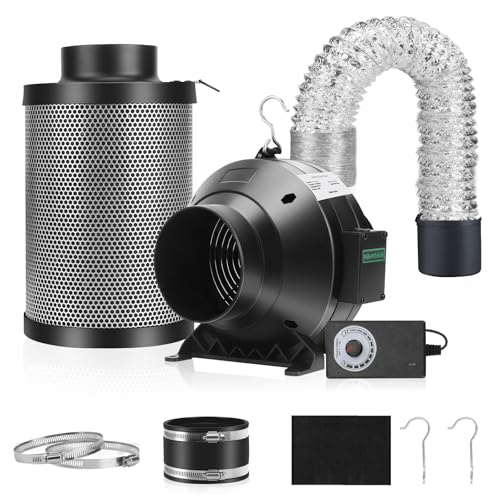
Excellent Odor Control: The air carbon filter is made of premium RC 412 Australian virgin charcoal with an IAV of 1200+, which has a higher absorption rate and practicality, effectively eliminating odors and chemicals in grow tents and hydroponic rooms, indoor grow tents, bathrooms, basements and kitchens.
Smart Grow Systems
Editor’s Choice

TempPro TP50 Digital Hygrometer Indoor Thermometer Room Thermometer and …

VGrow All-in-One Smart Grow Box, Professional System with Samsung LM301H…

GLOWRIUM Smart LED Grow Lights for Indoor Plants G4, 12W Full Spectrum 3…
5. Climate-Controlled Rooms

For dedicated indoor gardeners, a climate-controlled room can be a game changer. By carefully regulating temperature and humidity, you can create an ideal environment for all types of plants, especially those needing specific conditions to thrive, like tropical fruits or delicate flowers. This setup guarantees consistent growth conditions, regardless of the season.
Invest in a reliable HVAC system or portable AC units to maintain comfort. Utilize dehumidifiers or humidifiers as necessary to tailor the environment further. Automated sensors can help you monitor conditions effortlessly.
Essential components of climate control:
– Tailor your environment to suit plant needs.
– Enjoy year-round gardening opportunities.
– Achieve higher yields with optimal conditions.
A climate-controlled basement grow room can unlock new gardening possibilities, allowing you to cultivate a broader range of plants and maximize your harvest.
❝ Fun fact: A climate-controlled basement can cut plant stress by up to 40% by maintaining steady temperatures and humidity. When your basement grow room setup stays within a set range, tropical fruits and delicate flowers thrive year-round. ❞
Recommended Products

1.Water efficiency: Hydroponic systems recycle water, reducing the amount of water used compared to conventional farming. Tower systems, in particular, can recycle up to 98% of the water used.

Space-Saving, Efficient Growing: Featuring a 6-tier vertical design with 30 planting pods, this hydroponic tower measures just 13.78 x 13.78 x 34.25 inches. Ideal for kitchens, balconies, and small apartments, it maximizes space and allows you to grow efficiently while enjoying a green lifestyle.

SOILLESS CULTIVATION: Hydroponics is used instead of traditional soil cultivation, so the automatic top-down timed watering cycle makes better use of water and reduces water waste compared to outdoor potted plants.
Climate-Controlled Rooms
Editor’s Choice

EUHOMY 8,000 BTU Portable Air Conditioners, 4-in-1 Air Conditioner Porta…

LEVOIT Top Fill Humidifiers for Bedroom, 2.5L Tank for Large Room, Easy …

CLEVAST Small Dehumidifier for Home, 30oz Quiet Mini Dehumidifier for Ba…
6. Hydroponic Nutrient Management

Proper nutrient management is vital for thriving hydroponic systems in your basement. Establishing a nutrient plan tailored to your plants can significantly enhance their growth and yield. A blend of organic and synthetic nutrients often delivers the best results, keeping your plants healthy and productive.
Regularly test your water’s pH and EC levels to ensure optimal nutrient absorption. Use a nutrient calculator to fine-tune your mix based on your plants’ specific needs. Understanding each plant’s nutrient requirements will help you avoid deficiencies and promote robust growth.
Tips for nutrient management include:
– Monitor pH and EC levels regularly.
– Utilize a nutrient calculator for precise mixing.
– Research the needs of each plant type.
With effective nutrient management, your basement grow room can flourish with vibrant, healthy plants ready for harvest.
Recommended Products


[Smart Temp & Humidity Control:] Customize temperature and humidity settings (1-99% RH, 50-140°F). The fan automatically turns on when the set values are exceeded and stops when they fall below the set threshold, creating the optimal growing environment.

AUTOMATIC TEMPERATURE & HUMIDITY CONTROL: The external sensor monitors temperature and humidity in your growing space. Set your preferred limits, and the fan automatically starts or stops when conditions reach those settings, helping maintain consistent airflow with less manual adjustment.
Hydroponic Nutrient Management
Editor’s Choice

VIVOSUN Digital pH and TDS Meter Kits, 0.01pH High Accuracy Pen Type pH …
Liquid Plant Food for use in AeroGarden, IDOO and Hydroponic Growing Sys…

Hydroponic Nutrients for Edible Plants, One Part Complete Liquid Plant F…
7. Efficient Ventilation Solutions
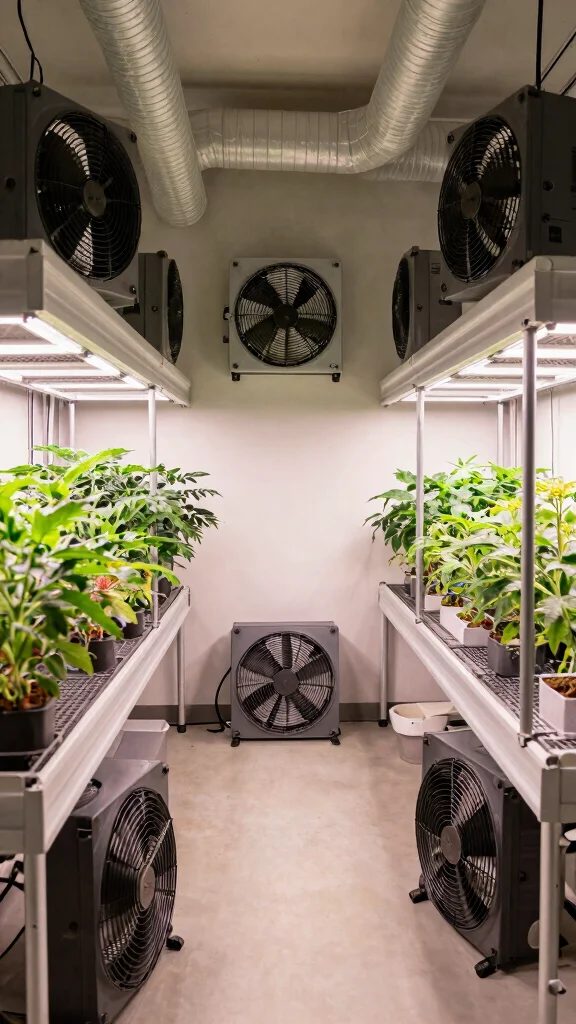
Good ventilation is crucial for a successful basement grow room. Proper air circulation regulates temperature and humidity, preventing issues like mold and pests. Setting up an efficient ventilation system is simpler than you think. Incorporate fans, ducts, and exhaust systems to ensure fresh air flows freely throughout your grow space.
Utilize oscillating fans to promote even airflow and position exhaust fans strategically to eliminate hot air. Ensure that your intake and exhaust points are well-placed for optimal effectiveness.
Ventilation tips to consider:
– Use oscillating fans for even air distribution.
– Position exhaust fans to effectively remove hot air.
– Keep intake and exhaust points well-placed for airflow.
With efficient ventilation, your basement grow room will stay fresh and healthy, allowing your plants to thrive.
Recommended Products
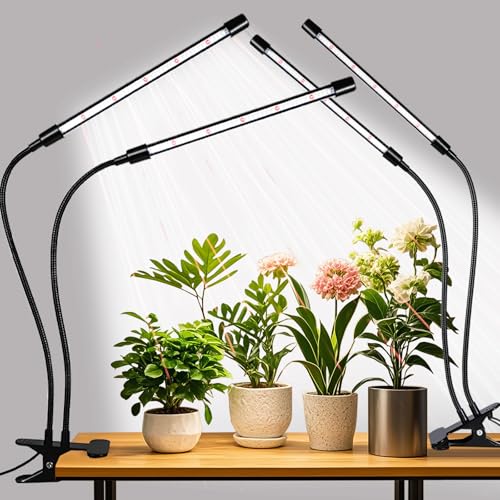
【Upgraded Full Spectrum】Eqqiuped with 5 Red+37 Sunlight White LEDs in each bar, which is similar to the sunlight at noon to meet the needs of various plant growth processes. 6000K LED grow light with high efficiency and high PPFD, providing flicker-free and soft light.
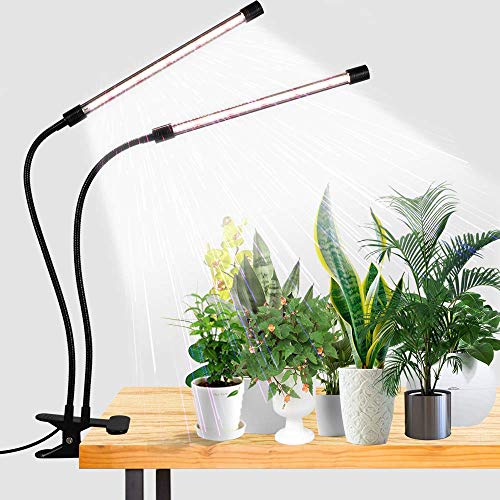
6000K White Light - equipped with 10 Red + 74 White LEDs, this growing Lamp is similar to the full-spectrum sunlight at noon,that is professionally designed for indoor garden plants.Moreover, its color rendering index is as high as 95, the light is soft and flicker-free, which is very suitable for reading lamp
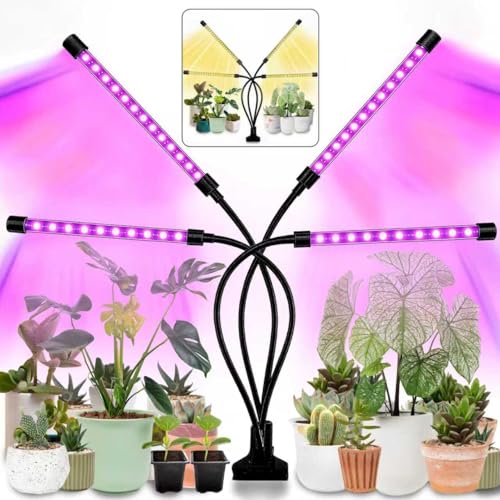
🌻Efficient LED Combination: This LED lamp has grow lights made up of 80 efficient growing LEDs ( 32 red lights, 12 blue lights,20 yellow lights and 16 white lights). It meets the conditions of plant growth without sunlight. 1--Full Spectrum(380nm-800nm): Suitable for all plants to root and sprout. 2--Red(660nm)+BLUE(460nm) Spectrum: for blooming and fruits. 3--Red+Blue+Full Spectrum: A mix of Red+Blue+Warm White is best to fuel the growth of your plants.
How To Choose the Right Basement Grow Room Setup
Choosing the best basement grow room setup can make a big difference in your indoor gardening success. With so many options available, it’s important to consider various factors to create an optimal environment for your plants. Here are some key points to help you decide:
1. Size Matters
The size of your basement will greatly influence your setup. Measure the available space to determine what systems can fit. Consider your plant growth plans and ensure you have enough room for walking and maintenance. A small area may benefit from vertical gardening options, while a larger space can accommodate more extensive hydroponic systems.
2. Material Selection
The materials you choose for your grow room setup should support a healthy environment. Look for durable, non-toxic materials that can withstand humidity and temperature changes. Consider using reflective materials to enhance grow light efficiency. PVC piping for hydroponics or sturdy shelving for plant supports can also be effective choices.
3. Hydroponic Systems
Evaluate different hydroponic systems based on your gardening goals. Nutrient Film Technique (NFT) offers a continuous flow of nutrients, while Deep Water Culture (DWC) allows roots to sit in nutrient-rich water. Research which system suits your plants best to maximize growth and yield.
4. Grow Lights
Choose the right grow lights based on your plants’ needs. LED lights are energy-efficient and provide a broad spectrum of light, ideal for all growth stages. Consider the intensity and height adjustment features to ensure your plants receive adequate light without overheating.
5. Ventilation Tips
Adequate ventilation is crucial in a basement grow room. Look for a setup that includes exhaust fans and air circulation systems to prevent mold and pests. The right ventilation will also help maintain optimal temperature and humidity levels. Consider adding a dehumidifier if your space tends to be damp.
6. Budget Considerations
Set a realistic budget for your basement grow room. Factor in the cost of equipment, materials, and ongoing maintenance. While it may be tempting to go for the cheapest options, investing in quality items will lead to greater success. Compare prices and read reviews to find the best value for your needs.
💡 Pro Tip: Don’t rush the setup! Take your time to plan carefully. Sketch out your layout and make a list of everything you need. This approach can save you time and money in the long run.
By following these guidelines, you can create a productive and efficient basement grow room setup that meets your gardening aspirations. Choose wisely, and you’ll soon enjoy a thriving indoor garden year-round!
Recommended Products
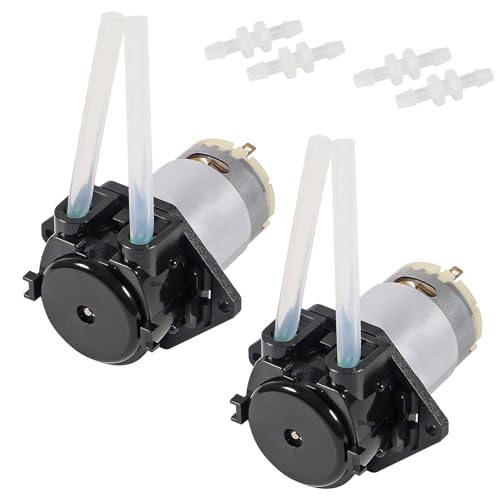
Motor Speed: 5000RPM;Voltage: DC 12V;Flow Rate:0-100ml/min;Tube Size: 3mm ID x 5mm OD;Relative Humidity:<80%;Flow rate: ≥70ml/min

[Enhance Your Garden's Growth]----Perfect for any gardening enthusiast or commercial farmer, our water-powered fertilizer injector optimizes nutrient delivery with an adjustable dosing range from 0.4%-4%. This system operates without electricity, promoting vigorous plant growth across your garden or farm.

[Enhance Your Garden's Growth]----Perfect for any gardening enthusiast or commercial farmer, our water-powered fertilizer injector optimizes nutrient delivery with an adjustable dosing range from 0.4%-4%. This system operates without electricity, promoting vigorous plant growth across your garden or farm.
Efficient Ventilation Solutions
Editor’s Choice

Lasko Oscillating Adjustable Pedestal Stand Fan with Timer and Remote fo…

AC Infinity Flexible 4-Inch Aluminum Ducting, Heavy-Duty Four-Layer Prot…

VIVOSUN 4″ Inline Exhaust Fan & Speed Controller, Low Noise Workshop 130…
8. Creative Space Optimization Techniques

Maximize your basement grow room’s potential with creative space optimization techniques. Utilize shelving, hanging planters, and multi-tiered systems to make the most of your vertical space. Clearly label all tools and supplies for easy access, and maintain clear pathways to enhance accessibility.
An organized setup not only looks great but simplifies plant care. Regularly reassess your layout to adapt to your plants’ growth and needs, ensuring everything remains functional and appealing.
Space optimization ideas include:
– Use vertical shelving for smaller plants.
– Incorporate wall-mounted pots for an artistic flair.
– Designate specific areas for tools and nutrients.
By embracing creative space optimization, you can transform your basement into a functional and visually stunning indoor garden.


Creative Space Optimization Techniques
Editor’s Choice

AZERPIAN Plant Stand 5 Tier Indoor Metal Flower Shelf for Multiple Plant…

Set of 2-10 Inch Hanging Planters for Indoor Plants with Self-Watering I…
Conclusion

With these eight innovative basement grow room setup ideas, you can create a thriving indoor garden that keeps giving year after year. From vertical gardens to smart systems, there’s an option for every indoor gardener looking to optimize their space and yield. Remember, the key is to find a setup that suits your needs and enhances your gardening experience. Happy growing!
Your basement can become a haven of greenery, all year long. Let these ideas inspire you to cultivate not just plants, but a passion for indoor gardening.
Note: We aim to provide accurate product links, but some may occasionally expire or become unavailable. If this happens, please search directly on Amazon for the product or a suitable alternative.
This post contains Amazon affiliate links, meaning we may earn a small commission if you purchase through our links, at no extra cost to you.
Frequently Asked Questions
What are the essential elements for a basement grow room setup to support year-round, indoor hydroponic gardening?
Start with a clear plan and space map. For a basement grow room setup that works year-round, you will want a reliable hydroponic system (NFT or DWC), a scalable grow light plan with full spectrum LEDs, proper ventilation (inline fan, carbon filter, and ducting), climate control (heater or portable AC depending on season), adjustable irrigation and nutrient management, sturdy shelves or racks for vertical farming, waterproof flooring and simple drainage, and a safe electrical layout with GFCI outlets. Set a consistent light schedule (18/6 vegetative, 12/12 flowering), monitor temperature and humidity, and keep sanitation routines. As you grow, you can add automation (pH and nutrient dosing, timers, and CO2) to keep the space productive.
How can I optimize space in a basement for a productive basement grow room setup without sacrificing airflow?
Think vertical first. Use modular racks, wall mounted shelves, and stackable trays to maximize yield per square foot while keeping paths clear for air circulation. Plan the layout with a one-way airflow path: intake on one side, exhaust on the opposite side, and fans moving air through each level. Use compact hydroponic systems and extendable grow lights that cover each canopy. Seal and insulate the walls and floors to reduce heat transfer, and choose waterproof, easy to clean surfaces. Finally, leave room for maintenance and future upgrades like a larger reservoir or automated dosing.
Which grow lights and ventilation tips are best for a basement grow room setup focused on hydroponics?
For a basement grow room setup focused on hydroponics, invest in reliable full-spectrum LED grow lights with strong PAR, adjustable height, and even coverage—think 400–800 umol/m2/s at the canopy for vegetative and flowering. LED options are cool running and energy efficient for basements. Pair that with practical ventilation: an inline exhaust fan plus a carbon filter to scrub odors, ducting out of the room, and a passive intake or small intake fan to refresh air. Maintain temperatures with the lighting plan and consider a backup heater or portable AC if your basement swings. Keep lights at the recommended distance from plants and stagger schedules for even growth.
How do I maintain consistent temperature and humidity in a basement grow room setup all year long?
Basements can swing a lot. Target a room temperature around 65–75 F (18–24 C) during veg and adjust for flowering as needed, with humidity in the 40–60 percent range. Use a programmable thermostat, a dehumidifier in damp spaces, and a humidifier if air gets dry. Insulate walls, seal gaps, and use a quality air circulation system (oscillating fans plus ceiling or wall mounted fans) to keep air moving. Use a hygrometer or a small data logger to track conditions and tweak as seasons change. Keep a backup heater or AC for extreme weather and avoid rapid swings that stress plants.
What common mistakes should I avoid in a basement grow room setup to ensure a productive year-round grow?
Mistakes to dodge: underestimating drainage and waterproofing, skipping a proper electrical plan, or overloading circuits. Not sealing basement spaces leads to moisture problems and mold. Poor airflow and lighting that is too intense or too weak reduce yields. Inconsistent nutrient dosing, pH imbalances, and neglecting sanitation invite pests and disease. Failing to plan for noise, heat, and odor can cause friction with others in the house. Start with a scalable plan, test equipment, and keep records to learn and iterate.
Related Topics
basement grow room
indoor gardening
hydroponic systems
grow lights
ventilation tips
space optimization
beginner friendly
year-round gardening
DIY hydroponics
plant care tips
efficient setups
advanced growing techniques