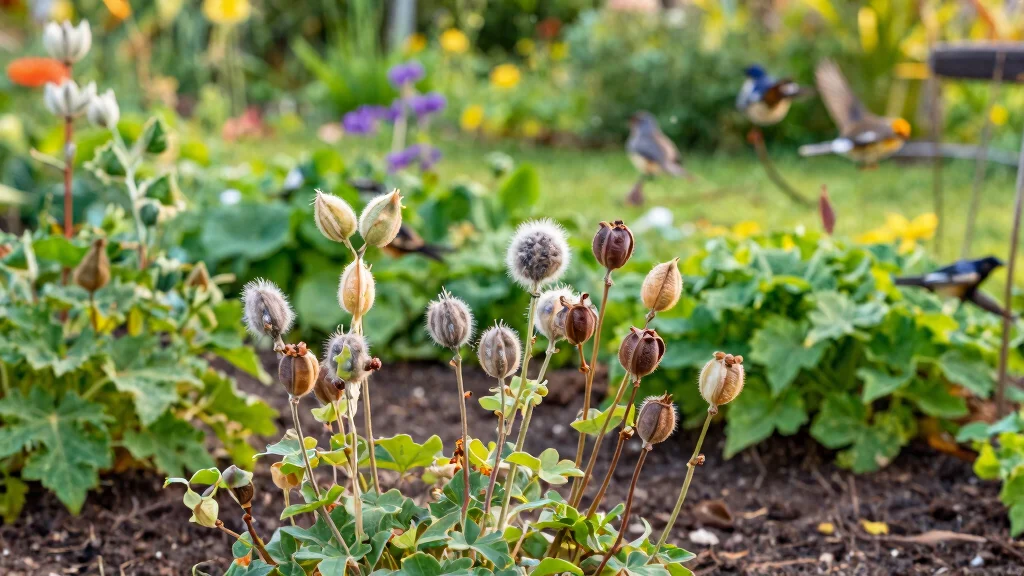
Nature has an incredible way of creating beauty all around us, and one of its most fascinating processes is seed dispersal. Understanding how seeds travel and take root can inspire us to create our own gardens filled with vibrant plants. This post was crafted to shed light on the ingenious methods nature employs to plant its own beautiful garden. Whether you’re a novice gardener looking to enhance your backyard or a seasoned permaculture enthusiast wanting to deepen your understanding of natural planting methods, this guide will offer insights and ideas that resonate with you.
If you’re passionate about wildlife gardening and eco-friendly gardening techniques, you’re in the right place. The goal here is to share eight engaging seed dispersal methods that can help you appreciate how nature operates while giving you practical knowledge that you can apply in your own gardening practices. You’ll learn about everything from wind and water dispersal to innovative hybrid methods, and how these techniques can influence your approach to seed germination and plant care. Let’s get started on this journey of discovery together!
Key Takeaways
– Explore Various Seed Dispersal Methods: Learn about wind, animal, water, and gravity dispersal, which all play key roles in how plants spread their seeds naturally.
– Incorporate Wildlife into Your Garden: Understand how animal dispersal can benefit your garden by attracting wildlife that helps plant seeds and promotes biodiversity.
– Utilize Natural Elements: Discover how to use water and gravity in your own gardening techniques, enhancing natural planting methods while minimizing effort.
– Embrace Explosive and Hybrid Dispersal Techniques: Get insights on less common yet fascinating methods, like explosive dispersal and hybrid methods, to add diversity to your gardening approach.
– Develop Eco-Friendly Practices: Learn how to implement eco-friendly gardening strategies that not only respect nature’s processes but also contribute to a sustainable gardening environment.
Recommended Products

Flower Seeds: Premium bulk package of wildflower seeds to establish a colorful garden filled with red flowers, orange flowers, yellow flowers, blue flowers, pink flowers, purple flowers and more!
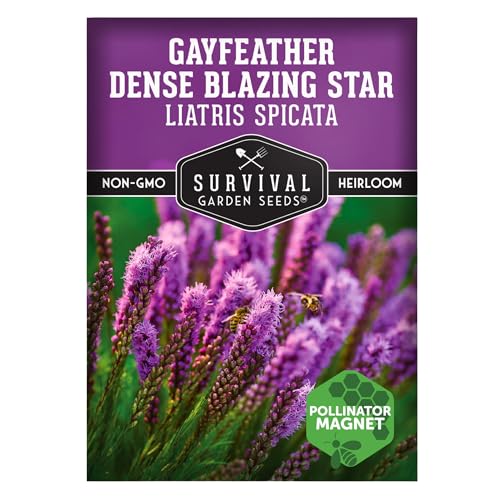
DENSE BLAZING STAR WILDFLOWER SEEDS: Heirloom non-GMO open-pollinated liatris spicata North American native plant seeds with high germination rates; adapted to USDA zones 3-9

LARGE PACKET FOR ABUNDANT GARDENING. Our Sweet Yards Cosmos Seeds Wildflower Mixture comes in a bulk quarter pound bag, containing over 5,000 seeds! With this generous amount, you can easily cover 100 square feet of your garden, ensuring a lush and colorful display of cosmos flowers.
1. Wind Dispersal: Nature’s Balloon Ride

Wind dispersal is an amazing way for seeds to travel like nature’s own balloons. Plants such as dandelions and milkweeds have light seeds designed with fluffy structures that catch the wind. As they float away, these seeds find new spots to grow, reducing competition with their parent plants and enhancing their chances of survival. You’ll love watching them drift through the air, creating a beautiful scene in your garden.
To make the most of wind dispersal in your garden, start by planting these species in open spaces where the breeze can help carry them. Mix in a variety of plants with different dispersal methods for a more dynamic environment. Always keep the soil healthy to support the new seedlings that will sprout.
Get started with these tips:
– Choose light, wind-dispersed plants for airy spots
– Mix in diverse species for a colorful garden
– Maintain nutrient-rich soil for optimal growth
By embracing wind dispersal, you’ll not only enjoy a lively garden but also learn from nature’s efficient planting strategies.
Recommended Products

Legendary Buck Lure: The scent that started it all—trusted by hunters for over 40 years of proven success.

100% brassica blend with kale, turnip, radish, and rape

Smart Scrape Dispenser – Daytime-Only Drip Technology – Drips daytime only to conditions bucks to show up during daytime hours.
Wind Dispersal: Nature’s Balloon Ride
Editor’s Choice

Chapin 8740A: 64-Ounce Black Poly Hand Shaker Spreader for Turf, Fertili…


Wildflower Seeds Bulk Mix – 10,000+ Perennial & Annual Seeds – Texas, Ca…
2. Animal Dispersal: Nature’s Little Helpers

Animal dispersal is a captivating way seeds spread far and wide. Many plants create delicious fruits that attract animals like birds and squirrels. When these creatures enjoy the fruits, they carry seeds away, either dropping them or excreting them in new spots. This relationship helps plants expand their reach while supporting local wildlife.
To attract these helpful animals to your garden, plant native fruit-bearing species that will draw them in. Create a welcoming habitat with feeders, baths, and shelter for birds and other critters. Avoid pesticides that could harm beneficial wildlife.
Here’s how to invite animal helpers:
– Plant native fruits to attract local wildlife
– Set up bird feeders and baths for a welcoming environment
– Avoid harmful pesticides for a healthy ecosystem
With these steps, you’ll turn your garden into a vibrant habitat that nurtures both plants and animals.
Fun fact: birds can disperse seeds over hundreds of meters and through their droppings. Plant native fruit-bearing species to invite wildlife, boosting seed dispersal and turning your garden into a living, spreading ecosystem.
Recommended Products

Perfect Match: The grow sponge is compatible with LAPOND hydroponic systems and other similar products, but not compatible with Aero Garden or iDOO. Please check dimensions before purchase.

Great Material:MAIHAN grow sponge is made of high-quality peat ingredients. The pH value of the hydroponic sponge is stable at 5.8-6.2. It contains nutrients suitable for seed germination and growth. It has good air permeability and water absorption, providing the most suitable air and water balance for growth

Rapid rooter plugs are fortified with general hydroponic micronutrients for abundant root growth
Animal Dispersal: Nature’s Little Helpers
Editor’s Choice

1200+ Mix Fruit Seeds Berry Seeds for Planting (9 Varieties) Heirloom St…

Juegoal Glass Wild Bird Waterer, 28 oz Wild Bird Feeder for Outdoors, Wa…

Gnodary Squirrel Feeder with Umbrella, Squirrel Feeders for Outside, Squ…
3. Water Dispersal: Nature’s Ripple Effect

Water dispersal is vital for many aquatic plants, allowing seeds to travel across water surfaces. Plants like water lilies and coconuts take advantage of this method, drifting to new locations where they can take root and flourish. This natural process contributes to the rich diversity of life in and around water.
To implement water dispersal in your garden, consider adding a small water feature to support aquatic plants. Ensure that the water body connects to other areas, allowing seeds to float away easily. Choose plants that thrive both in water and moist soil for the best results.
Start enhancing your garden with these ideas:
– Create a small pond or water feature for aquatic plants
– Connect water bodies for seamless seed dispersal
– Select plants that thrive in both water and soil
Promoting water dispersal will not only boost your garden’s biodiversity but also enrich local ecosystems, creating a thriving environment.
Recommended Products

🌱 Diverse 9-Seed Cover Crop Mix – Non-GMO & Heirloom – Includes Austrian Field Pea, Hard Red Winter Wheat, Triticale, Daikon Radish, Hairy Vetch, Crimson Clover, Berseem Clover, Yellow Mustard, and Collard Greens. A powerhouse blend for soil enrichment and weed suppression.

🦋 Includes: Butterfly Milkweed, Chinese Forget Me Not, Columbine, Snapdragon, Aster, Cosmos, Larkspur, Foxglove, Bird's Eye, Prairie Clover, Alyssum, Four O' Clock-Marvel, Lemon Mint, Maltese Cross, Jasmine, Poppy, Penstemon, Sage, Catchfly, Marigold, Nasturtium, Zinnia, & Treemallow. *small substitutions may apply based on seasonality
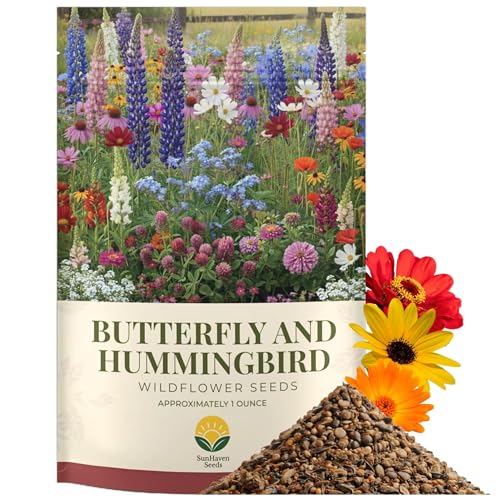
HIGH-NECTAR FLOWERS FOR BUTTERFLIES AND HUMMINGBIRDS: A focused Wildflower Blend crafted to attract butterflies, hummingbirds, and beneficial pollinators. Each variety is selected for strong nectar production, vibrant color, and reliable garden performance.
📹 Related Video: Seed Dispersal By Water
Water Dispersal: Nature’s Ripple Effect
Editor’s Choice

60 PCS Lotus Seeds for Planting in Water – Mixed Color Bowl Lotus Seeds,…

ToLanbbt Pond Liner 7 x 10 Ft, 20 Mil HDPE UV Resistant Preformed Pond L…
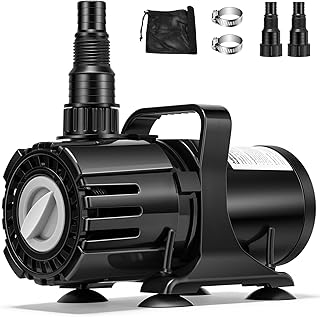
VIVOHOME 100W Adjustable Flow Submersible Water Pump, 700-1800GPH Steple…
4. Gravity Dispersal: Nature’s Silent Drop

Gravity dispersal is one of the simplest yet effective ways seeds spread. This method involves seeds dropping directly from the parent plant, letting gravity do its work. Trees like acorns and chestnuts use this technique, allowing seeds to fall close or be buried by animals. This natural process encourages new growth right beneath your feet.
To create a gravity-friendly garden, leave fallen seeds in place to encourage spontaneous growth. Arrange your plants so that heavier seeds can drop freely without any obstacles. Use mulch to protect these fallen seeds from hungry critters.
Get started with gravity dispersal strategies:
– Allow fallen seeds to sprout naturally
– Arrange plants for unobstructed seed drops
– Use mulch to protect seeds from animals
With gravity on your side, you’ll enhance your garden’s natural planting methods, creating a lush, vibrant environment.
Recommended Products

Territorial Intrusion Formula: Designed to provoke dominant bucks by simulating a direct challenge from an intruding rival. Premium Scent Blend: Combines tarsal smell, urine...
Gravity Dispersal: Nature’s Silent Drop
Editor’s Choice
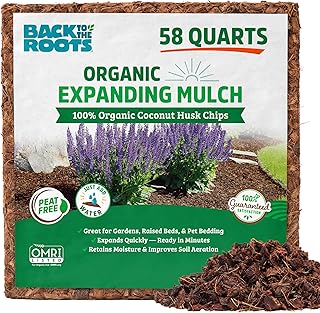
Back to the Roots 100% Organic Mulch, 58 Quart, Expanding Coconut Husk B…
5. Explosive Dispersal: Nature’s Fireworks

Explosive dispersal is an exciting method where seeds are shot out forcefully from their pods. Plants like touch-me-nots and legumes use this strategy to scatter seeds dramatically, ensuring they land well away from the parent plant. This method increases the chances of growth by covering more ground.
To incorporate explosive dispersal in your garden, select plants with explosive seed pods for added interest. Plant them in clusters for a striking visual effect. Keep an eye on the scattering process to understand when and how their seeds germinate.
Here are ways to use explosive dispersal:
– Choose plants with explosive pods for dynamic interest
– Cluster them for a dramatic display
– Monitor seed scattering for optimal growth
Understanding this unique method allows you to appreciate nature’s creativity while adding exciting plants to your garden.
Fun fact: Explosive seed pods can hurl seeds up to 1 meter (about 3 feet) away from the parent plant, giving each seed its own bold start. In your garden, plant clusters of varieties with explosive pods for dramatic, natural dispersion.
Recommended Products
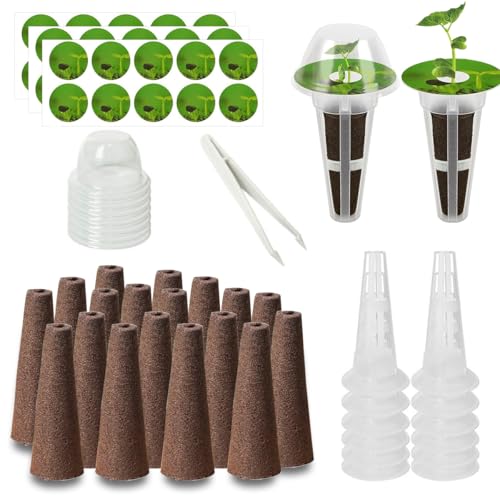
【Affordable Plant Kits】73 pcs garden kit indoor with 18 grow sponges, 30 pod labels, 12 growing domes, 12 planting baskets and 1pc tweezer, sufficient quantity that can satisfy your various planting needs. (Grow baskets and grow domes can be recycled, and seeds are not included)

【Peat Moss & Coco Coir Seed Starter Plugs】 Made from premium organic peat moss and coco coir, these seed starter pods provide balanced moisture retention and airflow, helping keep seeds evenly moist while allowing oxygen to reach developing roots.

ALL YOUR NEEDS TO START GARDENING - The all-in-one hydroponic pod includes everything you'll need for an indoor herb garden: 4 types of mixed heirloom seeds(Common (Scentific Name):Red Strawberry(Fragaria × ananassa), Cucumber(Cucumis sativus), Red/Golden Cherry Tomato(Lycopersicon esculentum var. cerasiforme A.Gray)), 8 grow sponges, 8 grow baskets, 8 grow domes, 8 foil stickers, and A&B plant food
Explosive Dispersal: Nature’s Fireworks
Editor’s Choice

JERIA 50-Pack 3.15 Inch Peat Pots for Seedling with 50 Pcs Plant Labels,…

Outsidepride Perennial Alfalfa Seeds for Planting – 5 lbs High Yield, Ni…

100 Sensitive Plant Seeds for Planting – Exotic Flower Seeds – Mimosa Pu…
6. Gravity and Wind Combination: The Best of Both Worlds

This combination method cleverly combines gravity and wind to disperse seeds. Many trees, like maples and willows, have seeds that drop to the ground but are light enough to be carried by the wind. This dual approach enables seeds to travel long distances while still relying on their original location.
To enhance your garden with this technique, choose tree species that naturally utilize both methods for broader coverage. Incorporate windbreaks to help direct the wind and assist in seed spreading. A diverse range of flora will also maximize the potential for unique plant ecosystems.
Start combining these strategies:
– Select tree species with dual dispersal methods
– Create windbreaks to assist seed movement
– Foster a mixture of plants for rich biodiversity
By blending gravity and wind, your garden will benefit from local growth and the adventure of distant exploration.
Gravity and wind are nature’s tag team for seed dispersal. When seeds drop and catch a breeze, your garden grows farther with less effort. Pick trees that use both methods and add windbreaks to guide the flow.
Recommended Products

Grow All You Want - Extra large bulk packet of Black Eyed Cowpea (Vigna unguiculata) seeds. These useful legumes have deep roots that fix nitrogen to the soil and help the plants survive heat and drought. Excellent cover crop and food source for a variety of animals such as deer, cattle, rabbits and chickens. Minimum of 2oz per packet (Minimum of 225 seeds).

ATTRACT POLLINATORS: This diverse mix of 45 heirloom flower varieties including milkweed, poppy, and lupine will lure honeybees, butterflies and other pollinators to your garden with an abundance of colorful blooms.

Beautiful - Large premium packet of Gayfeather (Liatris Spicata) Flower seeds. Also known as Blazing Star, this native wildflower sends up beautiful, feathery spikes of purple flowers that sway in the wind. Minimum of 750 mg per packet (about 250 seeds).
Gravity and Wind Combination: The Best of Both …
Editor’s Choice

Oregon Sunset Maple Tree Seeds – 5 Premium Semi-Dwarf Acer Seeds – H…

Seed Dispersal Set, Includes 6 Types of Seeds 12 Or More of Each and Ins…

Austree Hybrid Willow Tree Plants for Growing | Fast Privacy Hedge Row, …
7. Hybrid Dispersal: Nature’s Innovative Approach
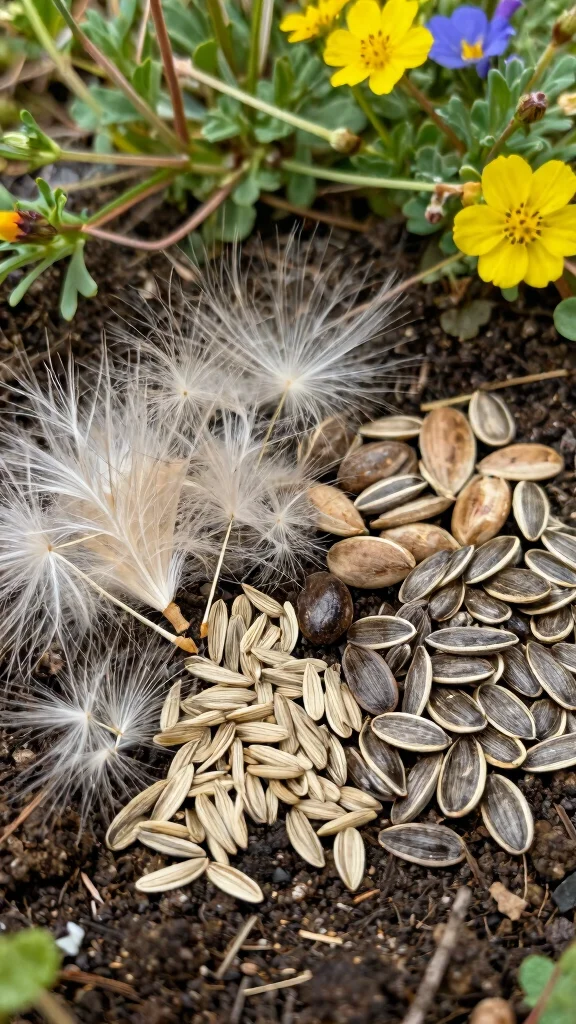
Hybrid dispersal techniques involve combining multiple methods for seed distribution. Some plants create seeds that can be dispersed by wind and eaten by animals, enhancing their chances of successful germination. This clever strategy allows plants to utilize the best of both worlds for wider reach.
To implement hybrid dispersal in your garden, select species that have these dual strategies for greater adaptability. Monitor various planting areas to discover where seeds thrive best. Experiment with a mix of plants to create unique garden designs.
Begin your journey with hybrid dispersal:
– Choose plants with multiple dispersal methods
– Observe different areas for seed success
– Combine various species for creative designs
By learning from nature’s adaptive strategies, you’ll inspire innovative gardening techniques that yield fruitful results.
Hybrid Dispersal: Nature’s Innovative Approach
Editor’s Choice

Renmxj Plant Propagation Stations with Wooden Stand & 3 Glass Bulb Vases…
8. Self-Dispersal: Nature’s Solo Act

Self-dispersal occurs when plants release seeds without any external help. Some have developed fascinating ways to launch their seeds, like the squirting cucumber or those that use mechanical pressure. This method showcases nature’s resourcefulness, allowing plants to thrive independently.
To encourage self-dispersal in your garden, plant species that exhibit these unique mechanisms and watch nature in action. Ensure these plants have plenty of sunlight and space to grow. Take time to observe their methods and learn how they succeed.
Here’s how to foster self-dispersal:
– Plant self-dispersing species to witness nature’s creativity
– Provide ample sunlight and space for growth
– Observe their unique mechanisms for thriving
Appreciating this solo act of plants highlights nature’s ingenuity and can deepen your gardening experience.
Recommended Products

Note: To discourage moss growth, please use the included sticky stickers to block out the sunlight.

Excellent Compatibility: Our grow sponges are designed to fit most standard hydroponic growing systems, including AeroGarden, iDOO, Growell, and other brands. After soaking, each sponge expands to 0.9 inches in diameter and 2.58 inches in height, perfectly matching standard growing baskets. They can also be used in seedling trays or transplanted directly into soil, giving you maximum flexibility for both indoor and outdoor gardening.
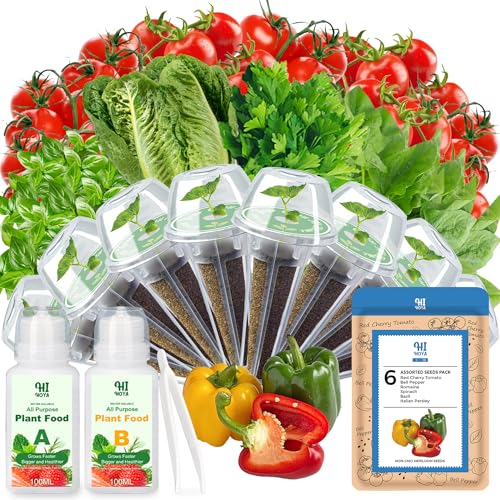
Heirloom Non-GMO Seeds: The seeds in garden starter kit contains 600+ easy grow herb gardening seeds, including Red Cherry Tomato,Bell Pepper,Romaine,Spinach,Basil,Italian Parsley. Growing your own herbs for eating has never been this easy! Enjoy fresh, home-grown herbs for cooking and garnishing
How To Choose The Right Seed Dispersal Method for Your Garden
When planning your garden, understanding different seed dispersal methods can help you maximize your planting success. Each method has its unique benefits and applications. Here’s how to choose the right one for your needs:
1. Understand Your Environment
Different seed dispersal methods work better in certain environments. For example, if you have a windy area, wind dispersal can be very effective. In contrast, if your garden is near a water source, water dispersal is a great option. Consider your garden’s layout and natural elements before deciding.
2. Identify Local Wildlife
Animals play a significant role in seed dispersal. If your garden attracts birds, squirrels, or other animals, think about animal dispersal methods. These critters can help spread seeds far and wide, promoting a more diverse garden. Research which animals frequent your area and their preferred plants.
3. Assess Soil Type
Soil type influences seed germination and growth. Some seeds require specific soil conditions to thrive. For instance, explosive dispersal works well in loose, sandy soils where seeds can easily travel. Analyze your soil’s composition and choose a dispersal method that complements its characteristics.
4. Consider Your Plant Types
Different plants have adapted to various seed dispersal methods. For instance, plants like dandelions rely on wind, while others, like peas, may prefer self-dispersal. Educate yourself about the plants you want to grow and their seed dispersal preferences. This knowledge will guide your gardening techniques.
5. Plan for Sustainability
If you’re aiming for an eco-friendly garden, opt for natural planting methods. Consider using native plants that naturally disperse seeds. This approach helps maintain the local ecosystem and supports biodiversity. Sustainable gardening techniques not only benefit your garden but also the environment.
6. Evaluate Your Garden Goals
Decide what you want to achieve with your garden. Are you looking for a vibrant flower patch, or do you want a diverse vegetable garden? Your goals will dictate the seed dispersal methods you choose. For a varied garden, using multiple methods can bring exciting results.
Pro Tip: Always keep a journal of your gardening activities. Document which methods work best over time. This way, you can refine your approach for future planting seasons, enhancing your understanding of local seed dispersal dynamics.
By carefully considering these factors, you’ll be well on your way to selecting the perfect seed dispersal method. It will help you create a flourishing garden that thrives naturally, showcasing the beauty of nature’s design.

Self-Dispersal: Nature’s Solo Act
Editor’s Choice

National Gardening Association Book of Cucumbers, Melons & Squash (growi…

Seed to Seed: Seed Saving and Growing Techniques for Vegetable Gardeners…
Conclusion
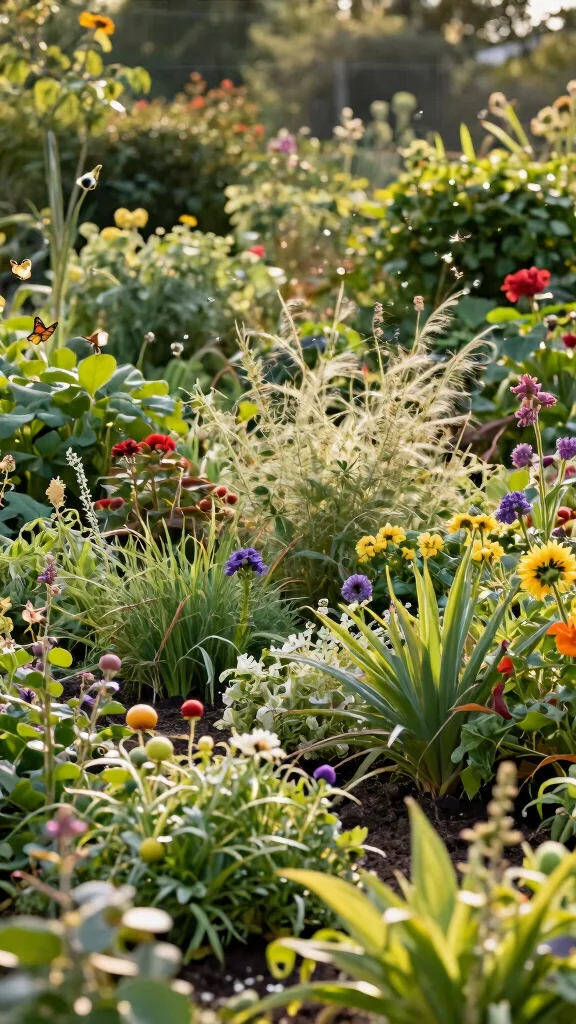
By understanding the various ways nature disperses seeds, you can embrace eco-friendly gardening techniques that enhance the beauty and biodiversity of your garden. Each method offers unique insights into how plants interact with the environment and the life around them. From harnessing the wind to inviting animals for assistance, these strategies reveal nature’s endless creativity. Take inspiration from these seed dispersal ideas and let them guide you in planting your own beautiful garden.
Note: We aim to provide accurate product links, but some may occasionally expire or become unavailable. If this happens, please search directly on Amazon for the product or a suitable alternative.
This post contains Amazon affiliate links, meaning we may earn a small commission if you purchase through our links, at no extra cost to you.
Frequently Asked Questions
What is seed dispersal and why is it important for a natural garden?
Seed dispersal is how plants spread their seeds so new plants can grow away from the parent. In a natural, permaculture-minded garden, understanding seed dispersal helps you design spaces that boost biodiversity, reduce weed pressure, and let nature plant its own beautiful garden.
By focusing on eco-friendly gardening practices, you support healthy seed germination in new spots and create resilient plant communities.
Which natural planting methods boost seed germination and plant resilience?
Embrace natural planting methods that support healthy seed germination and tougher plants. Start with locally adapted species, save seeds from healthy plants, and sow them at the right season so they wake up with the climate. Lightly mulch to keep moisture, improve soil structure, and prevent crusting. Use organic compost and avoid chemical pesticides to protect soil life that helps seeds germinate. Finally, design plant guilds and microhabitats so seeds have nearby opportunities to sprout and persevere.
How can I attract wildlife to help with seed dispersal in an eco-friendly garden?
To boost wildlife gardening and natural seed dispersal, plant a mix of native fruiting shrubs, berries, and nectar-rich perennials. Provide water and shelter through shallow birdbaths, dense hedges, and log piles. Avoid synthetic pesticides that harm birds and small mammals. Space flowering times to provide ongoing food through the seasons so animals keep dispersing seeds across your space.
What gardening techniques replicate nature’s seed dispersal without heavy intervention?
Try practical gardening techniques that mimic nature’s spread without heavy intervention: make seed balls (seed balls) with clay, compost, and native seeds so seeds disseminate with moisture and rain; set up windbreaks or tall grasses to trap drifting seeds; layer plant heights and groundcover to create microhabitats that catch and hold seeds; avoid digging up beds after sowing to let seeds settle and germinate.
How do I start a small, actionable seed dispersal plan for a more resilient garden this season?
Begin with a simple, action-oriented plan: choose 3 native species known for easy seed dispersal, map your space by vectors (wind, water, animals), designate 3 zones for seed distribution, collect and store seeds, and try 3 seed dispersal ideas this season. Monitor seed germination and adjust next year. Keep notes to track what works, and aim for ongoing biodiversity with eco-friendly gardening practices.
Related Topics
seed dispersal
natural planting methods
eco-friendly gardening
wildlife gardening
permaculture techniques
beginner gardening
sustainable practices
planting strategies
seed germination
garden biodiversity
advanced techniques
seasonal planting